Category News
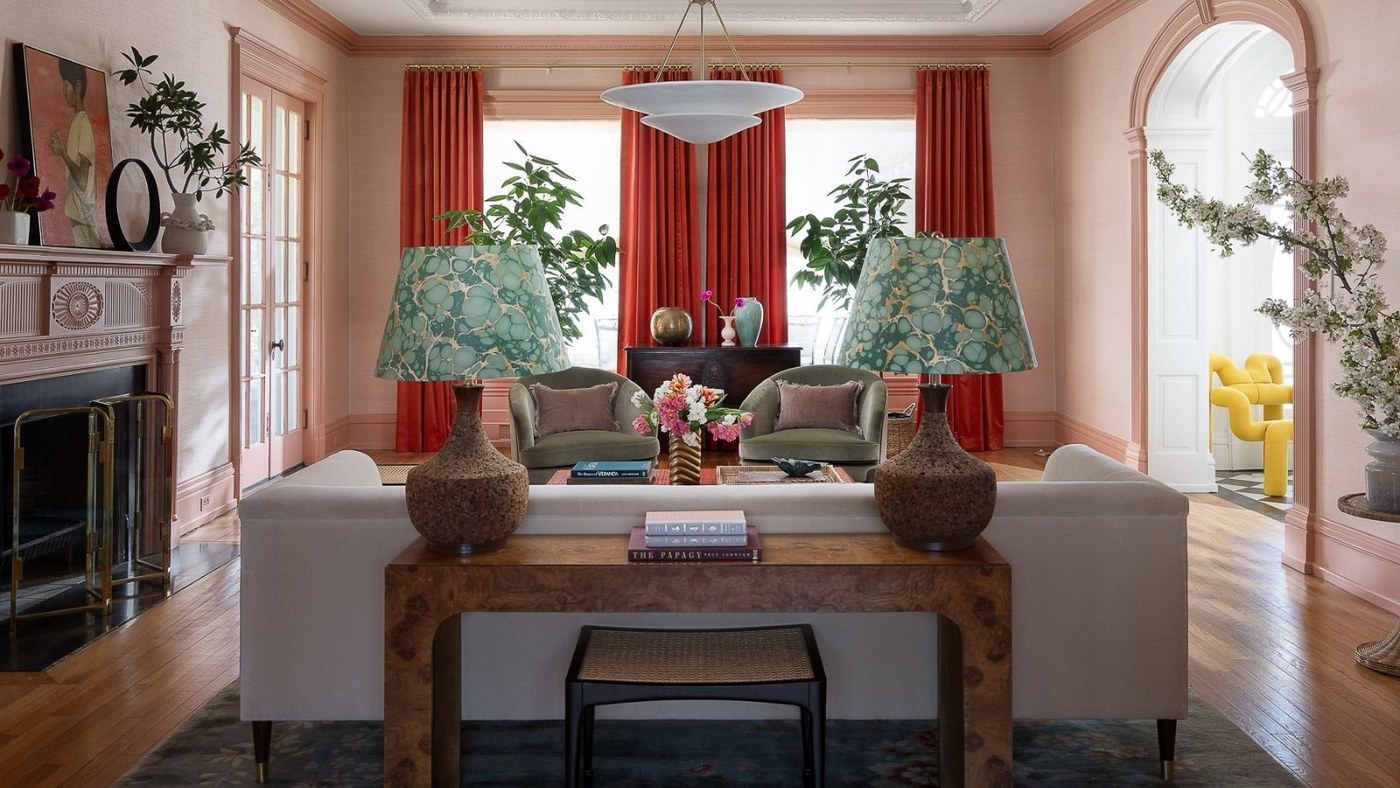
Choose Curtain Color in Relation to the Whole Room
A drapery shade can support or disrupt a palette, so judge undertones alongside walls and furniture.

Floral Curtains Can Belong in a Balanced Living Room Palette
A pale foundation and considered pattern scale help botanical drapery feel connected to the surrounding furniture.
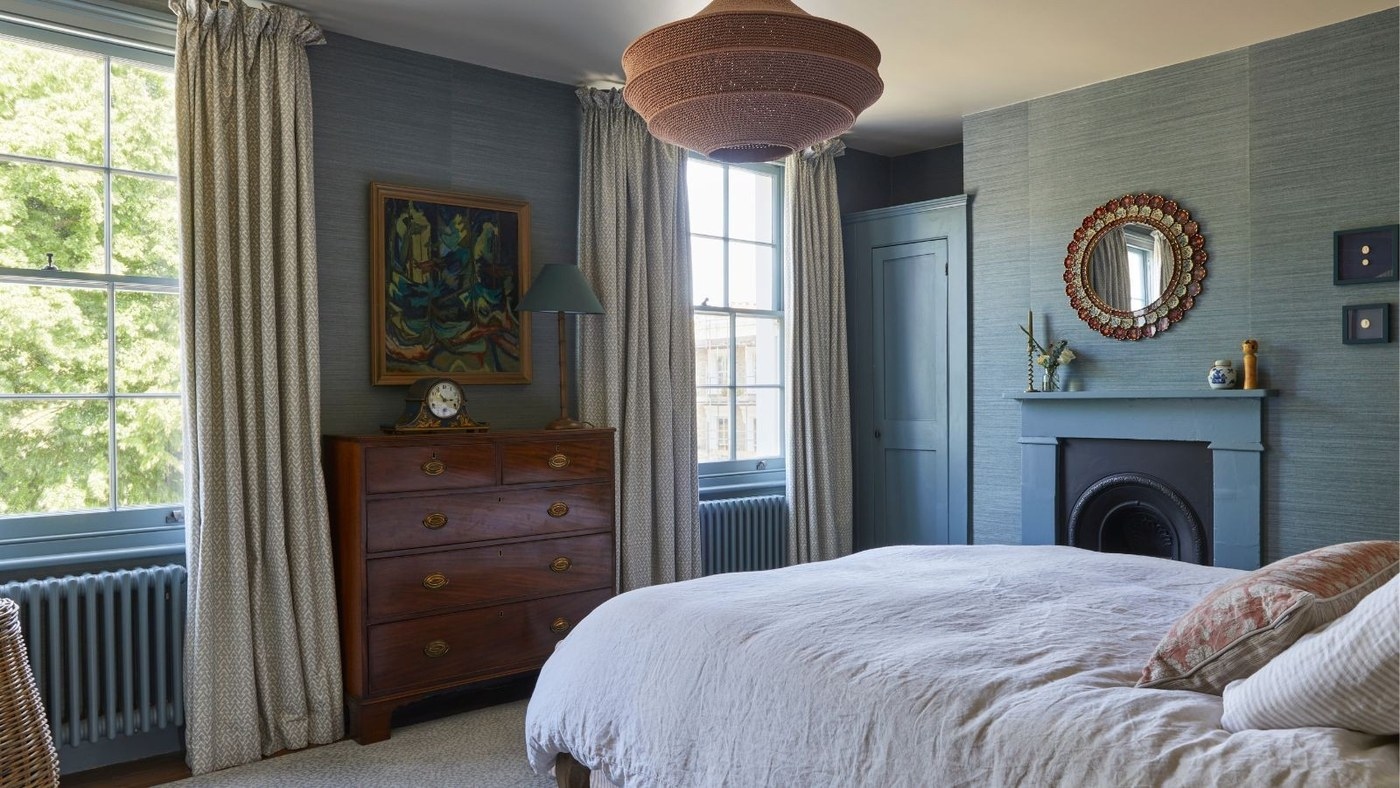
Layer Curtains to Separate Light Control from Decorative Color
Sheers and a second set of panels can provide different functions within one considered window treatment.
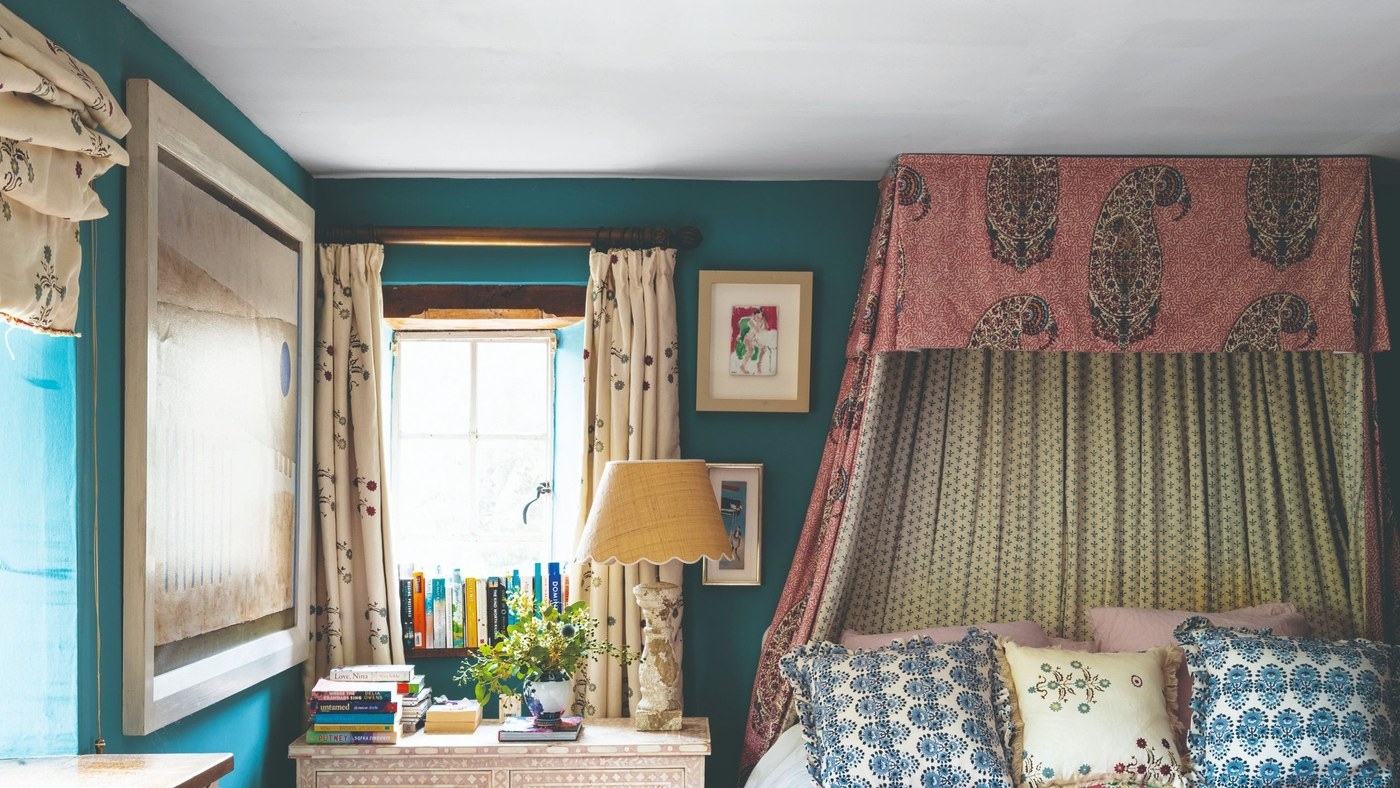
Connect Curtain Color and Trim to the Room's Existing Palette
A coordinated edge detail and suitable fabric can make window dressing feel part of the wider interior.

White Curtains Work Best When Their Texture Has a Role
Linen, lace, or gathered panels can provide a neutral pause within a more colorful living room.
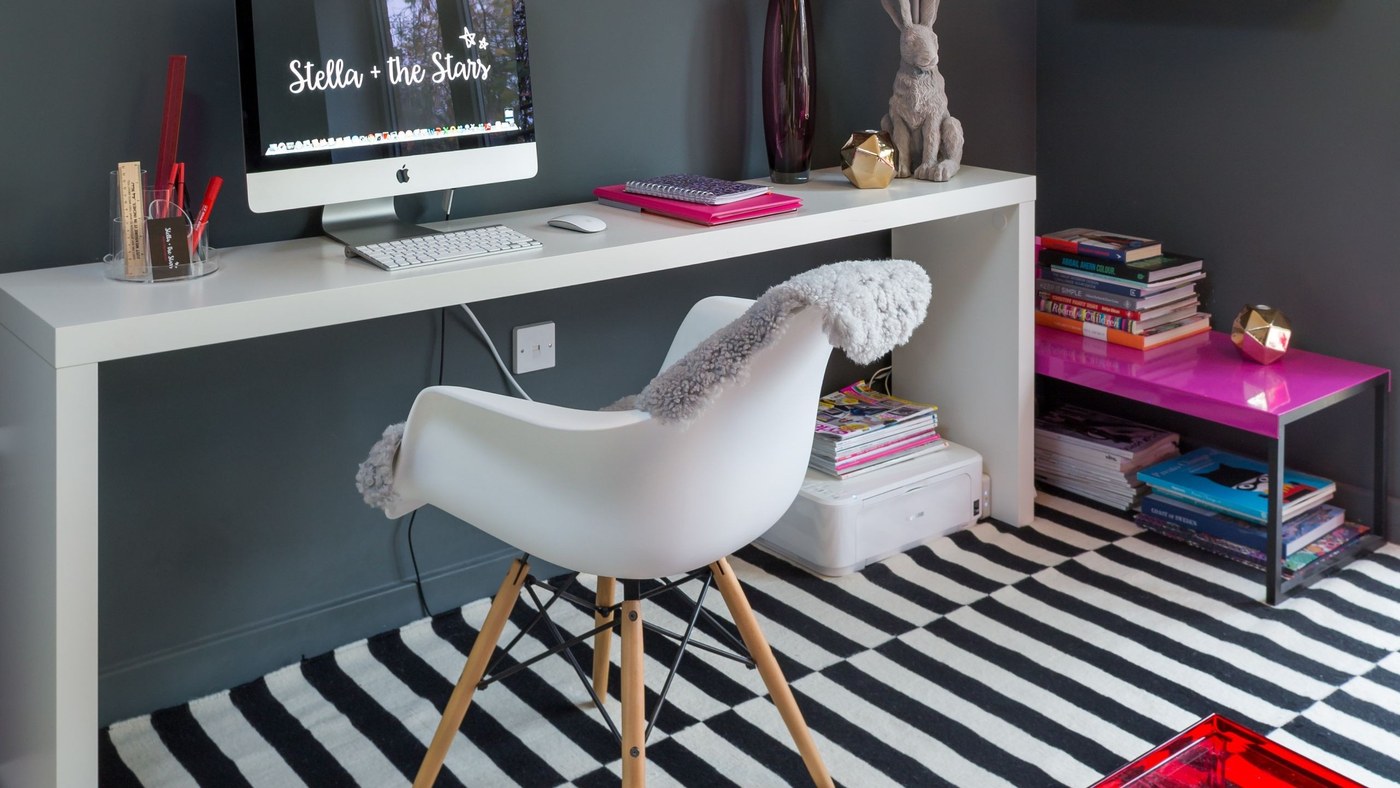
Soften a High-Contrast Interior with Related Tones
Off-white and earthy shades can provide a different balance.
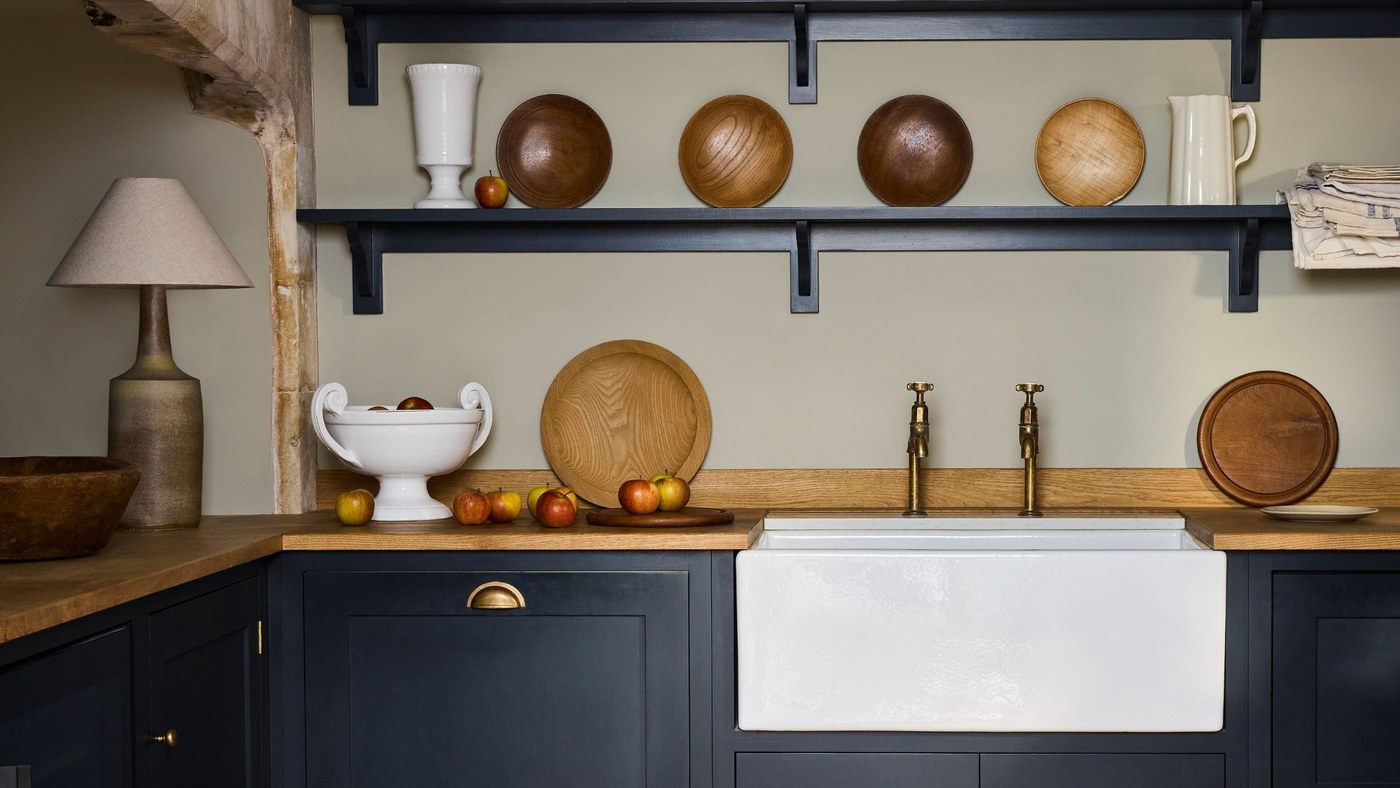
Muted New Paint Shades for a More Layered Interior
Little Greene's expanded range favors depth without uniformly bright saturation.

A Neutral Living Room Needs Material Contrast
Cream upholstery gains depth from wood, marble, and layered textiles.
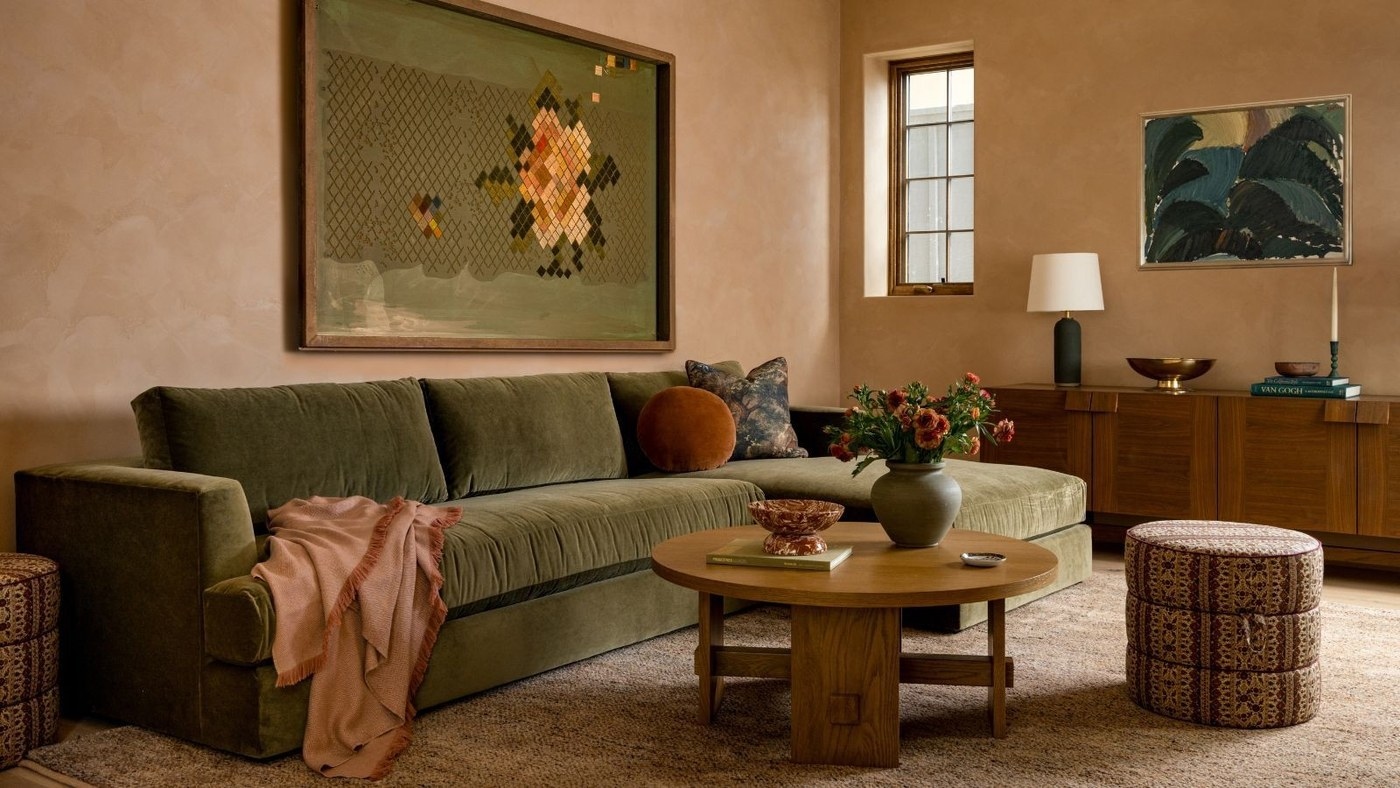
A Living Room Needs a Texture Scheme as Well as Color
Smooth stone, woven rugs, and richer upholstery can connect a restrained room through material contrast.
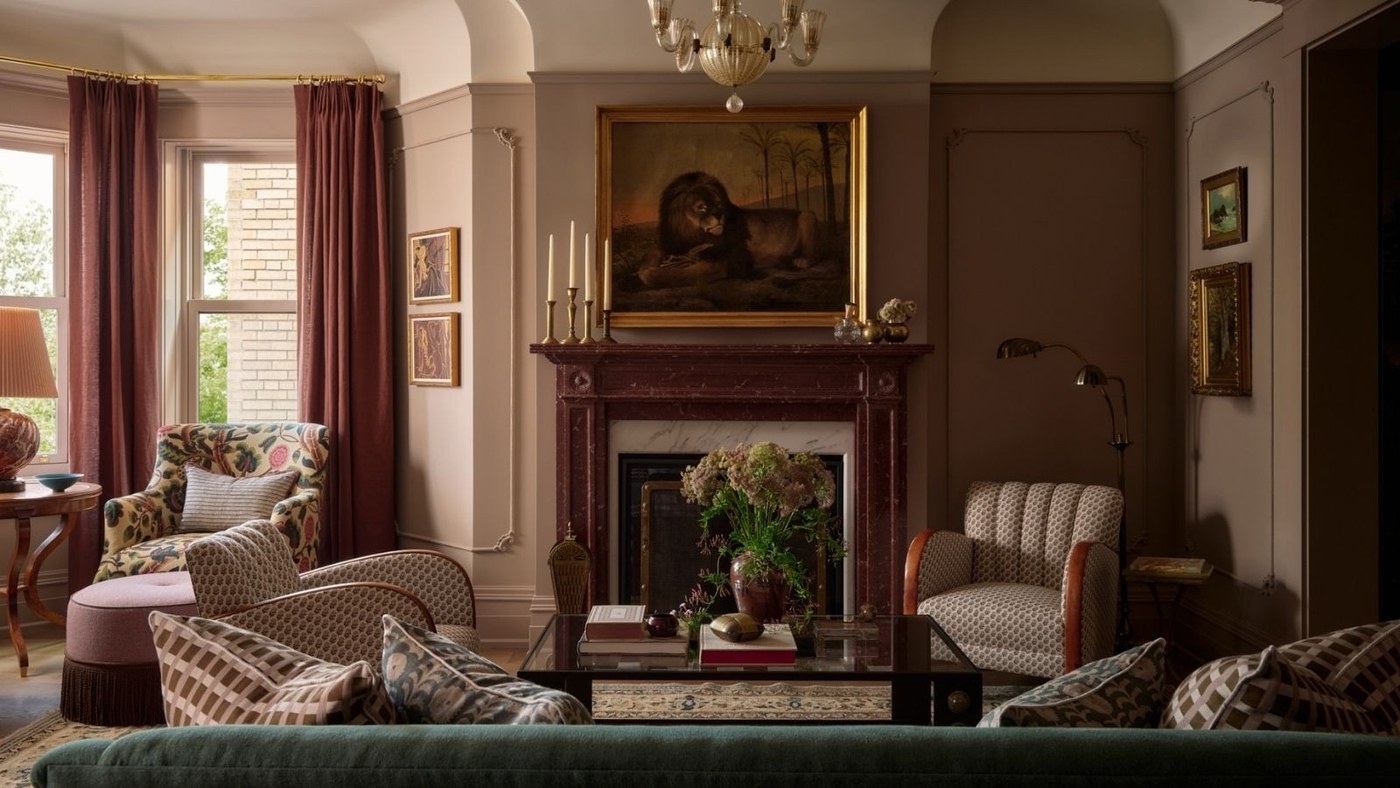
Make a Room Cozier through Contrast, Light, and Arrangement
Seasonal layering can involve furniture and harder materials as well as extra blankets.
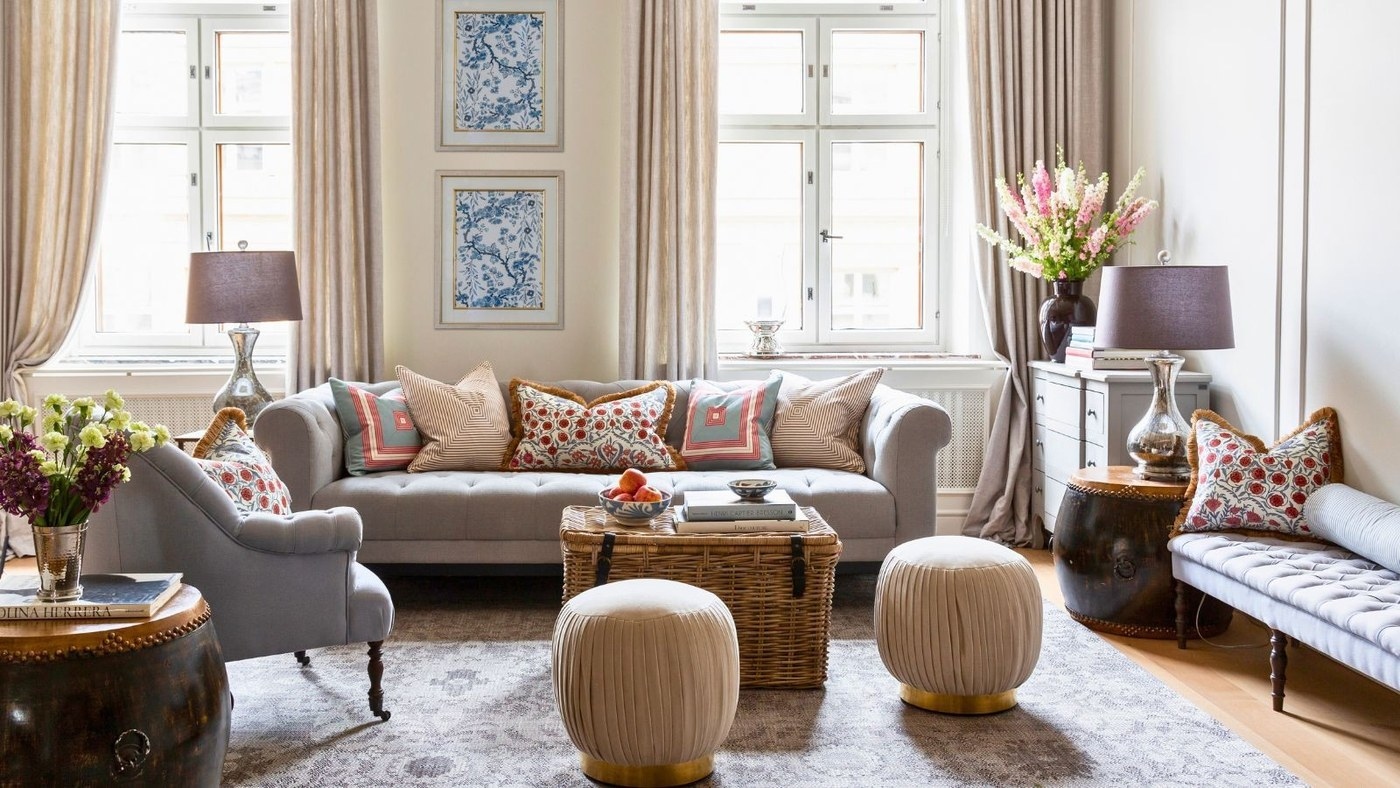
Scandinavian Interiors Include More Than White Minimalism
Nordic homes can draw on colorful folk traditions as well as practical furniture and natural materials.
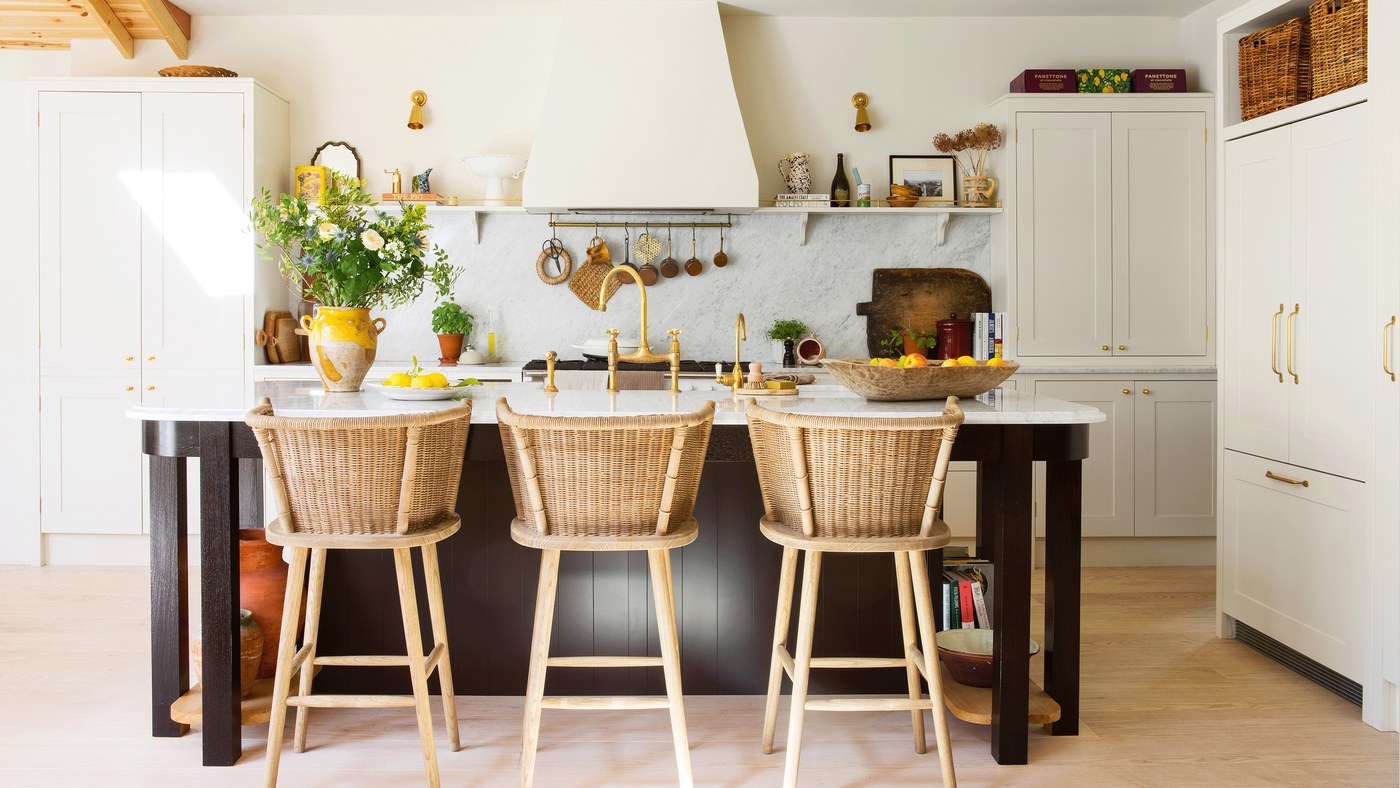
New England Details Connect an Expanded Coastal Home
Timber overhead and blue accents give a family renovation a consistent direction.
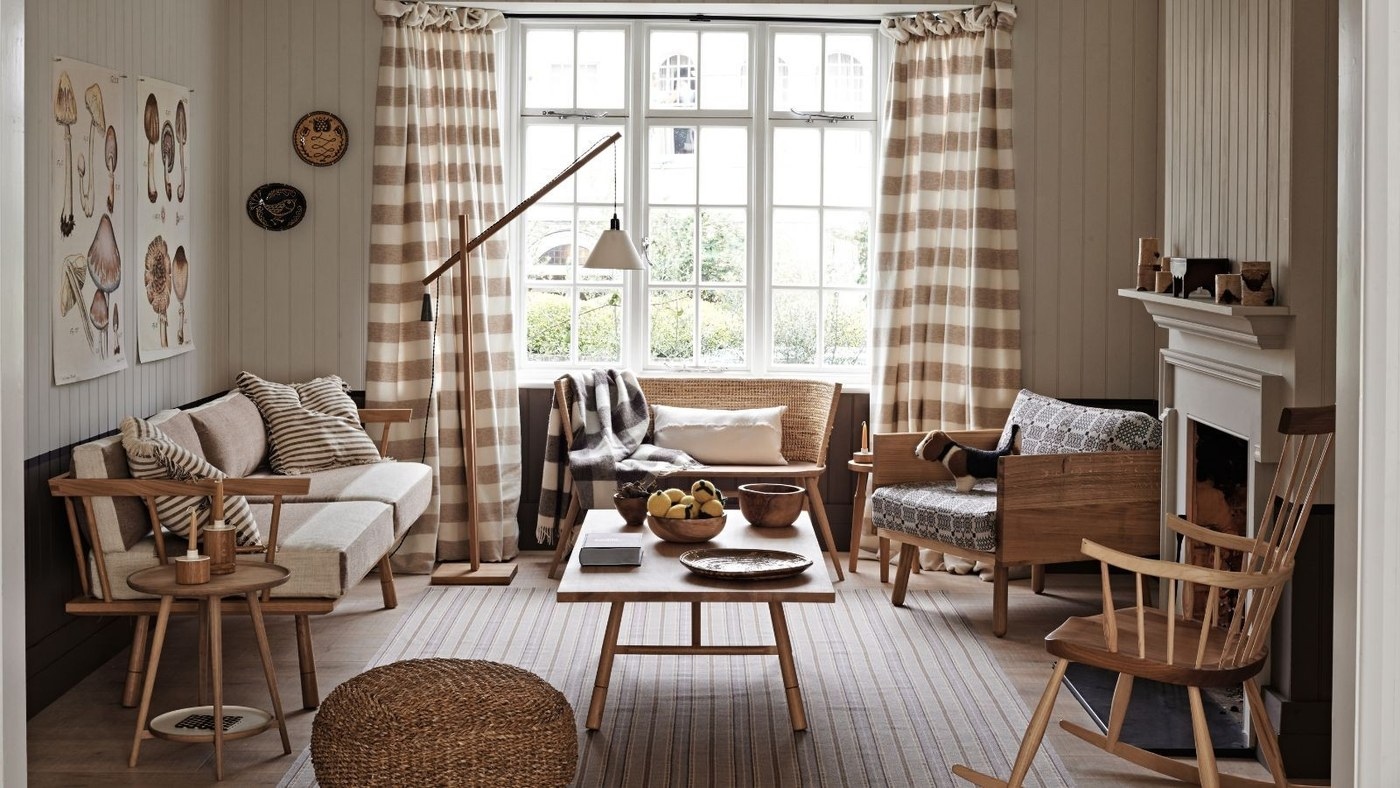
Create a Comfortable Nook for a Scandinavian-Inspired Pause
Well-proportioned seating, a useful table, and a welcoming position matter more than adding another decorative corner.
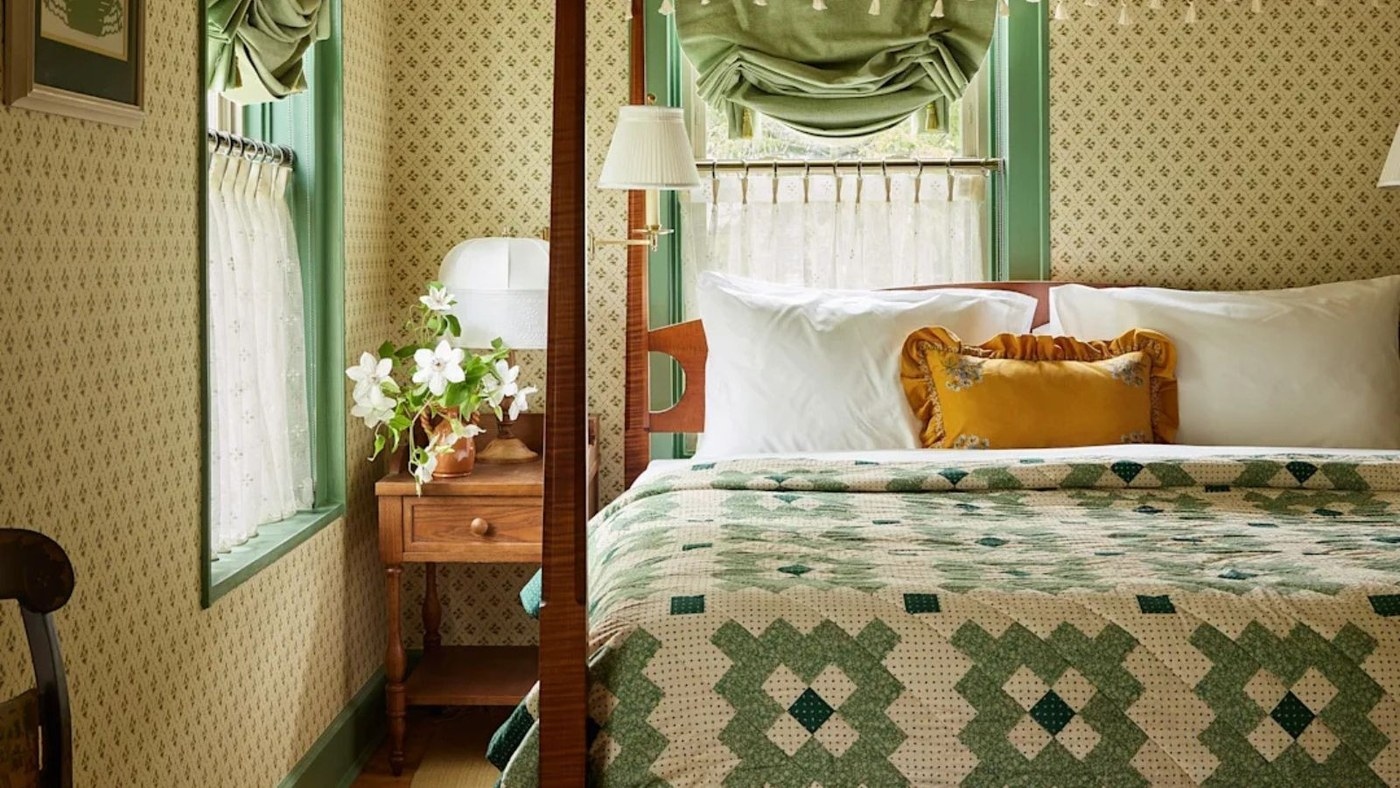
A Scandinavian Quilt Adds Pattern Without a Full Bedroom Redesign
Tactile stitching and restrained folk motifs can give existing bedding a warmer, more personal layer.

White and Wood Give a Scandinavian Bedroom a Clear Structure
A restrained backdrop gains warmth from timber, soft fabrics, and a comfortable reading corner.
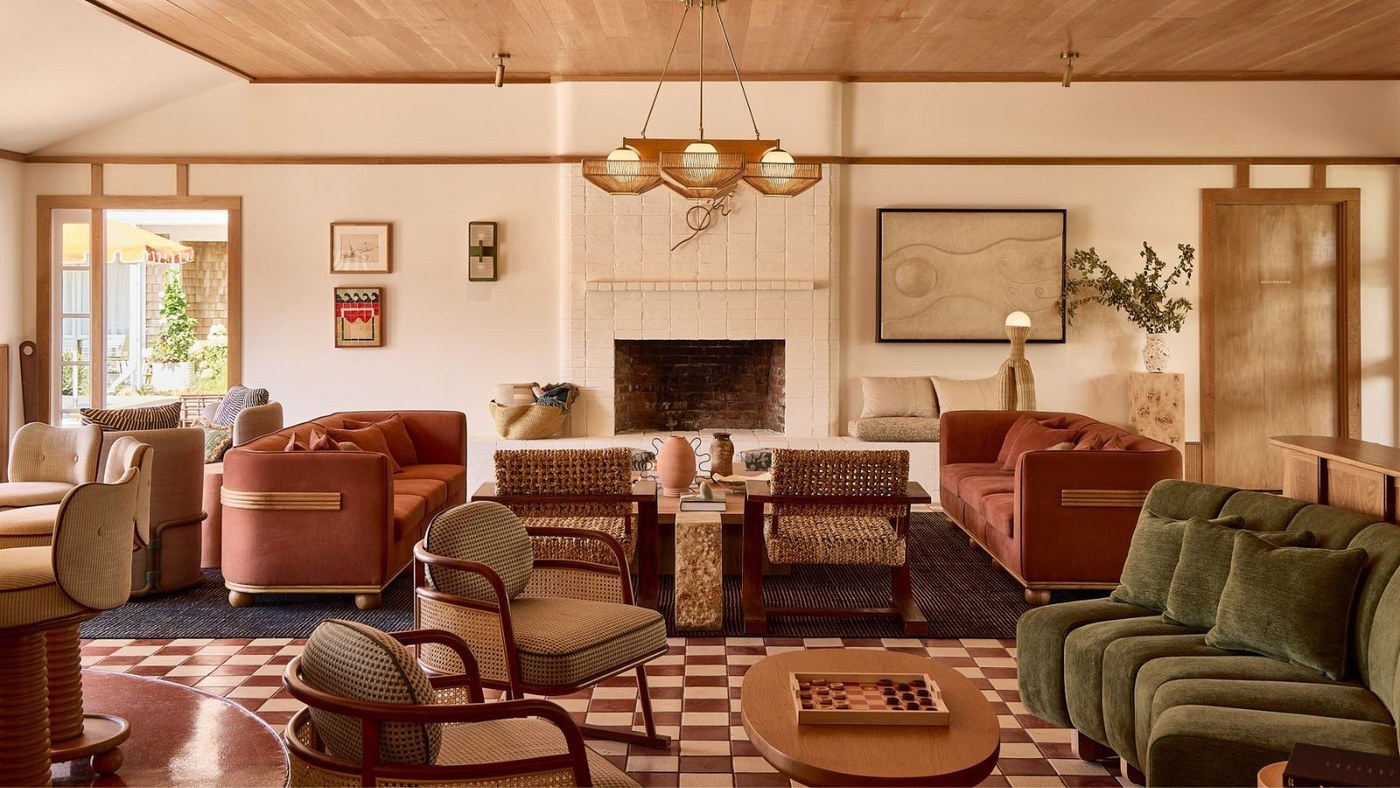
Collecting Vintage Changes the Pace of Decorating
A home assembled gradually can reflect memory, useful finds, and personal judgment.

A Patterned Rug Can Anchor a Collected Interior
Traditional borders and richer colors give the floor a more expressive role.
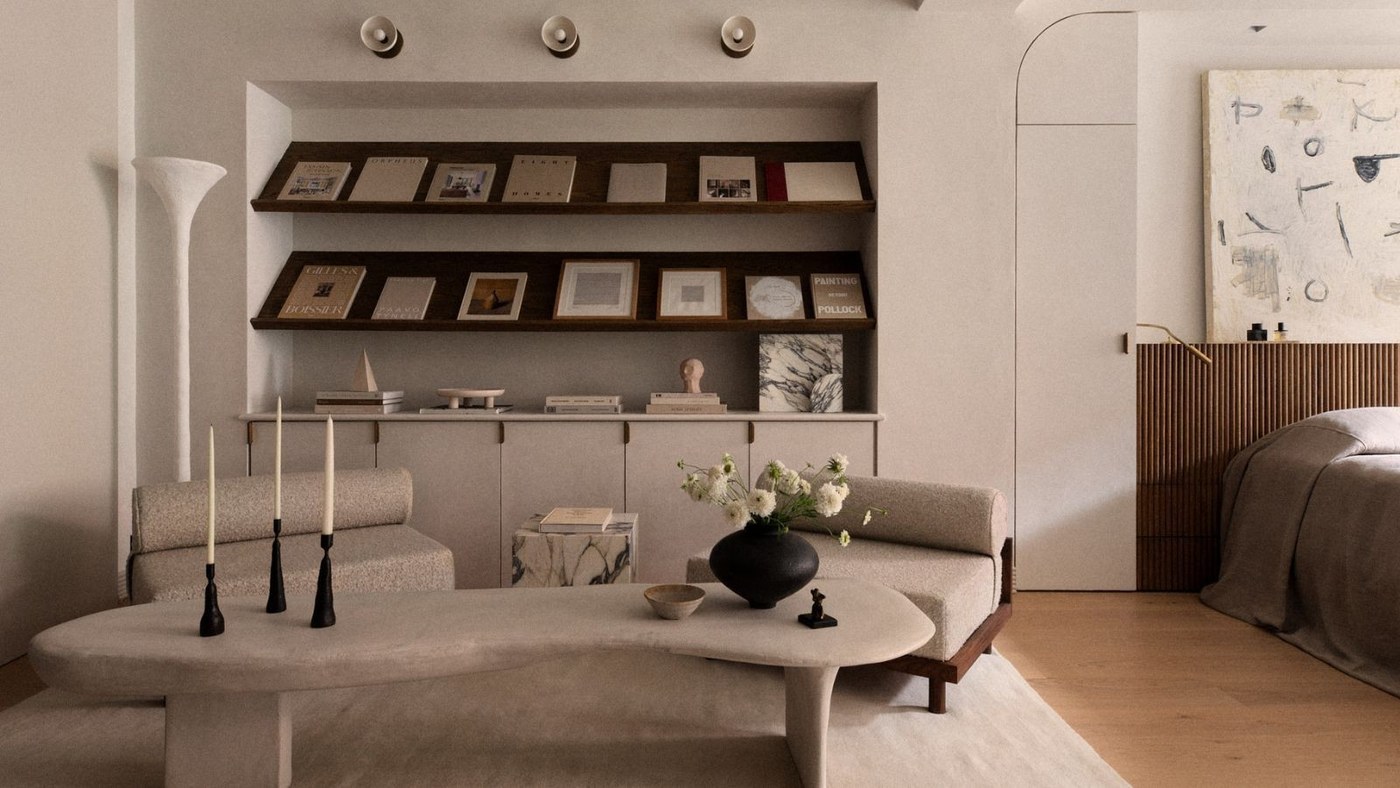
Minimalism Can Retain Texture and Personal Character
Soft hues and carefully displayed objects keep a restrained interior welcoming.

Warm Minimalism Relies on Shape and Material
A beige living room becomes more inviting through wood, linen, boucle, and expressive furniture forms.
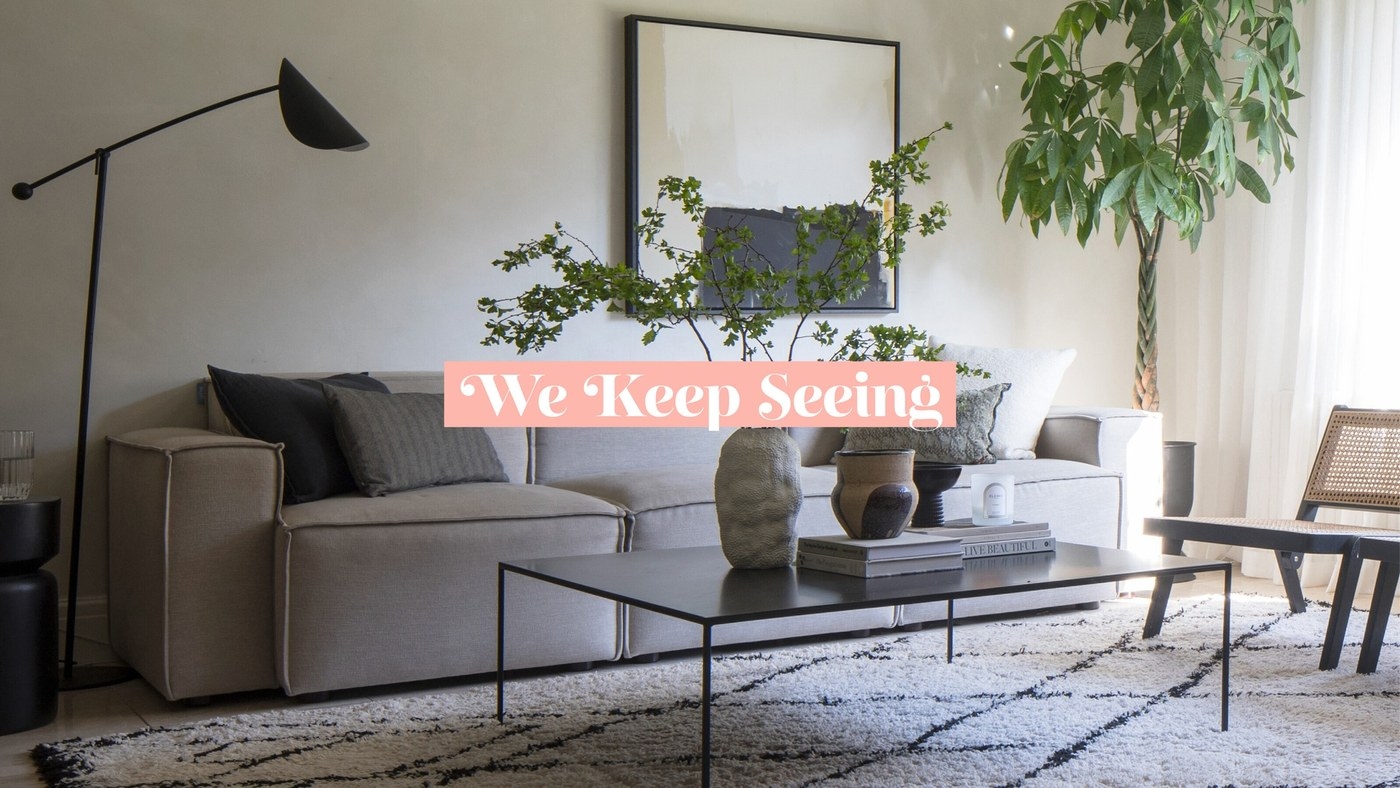
A Japandi Living Room Can Be Minimal and Welcoming
Organic shapes and tactile materials soften the clean lines of a carefully edited living space.

