Category News
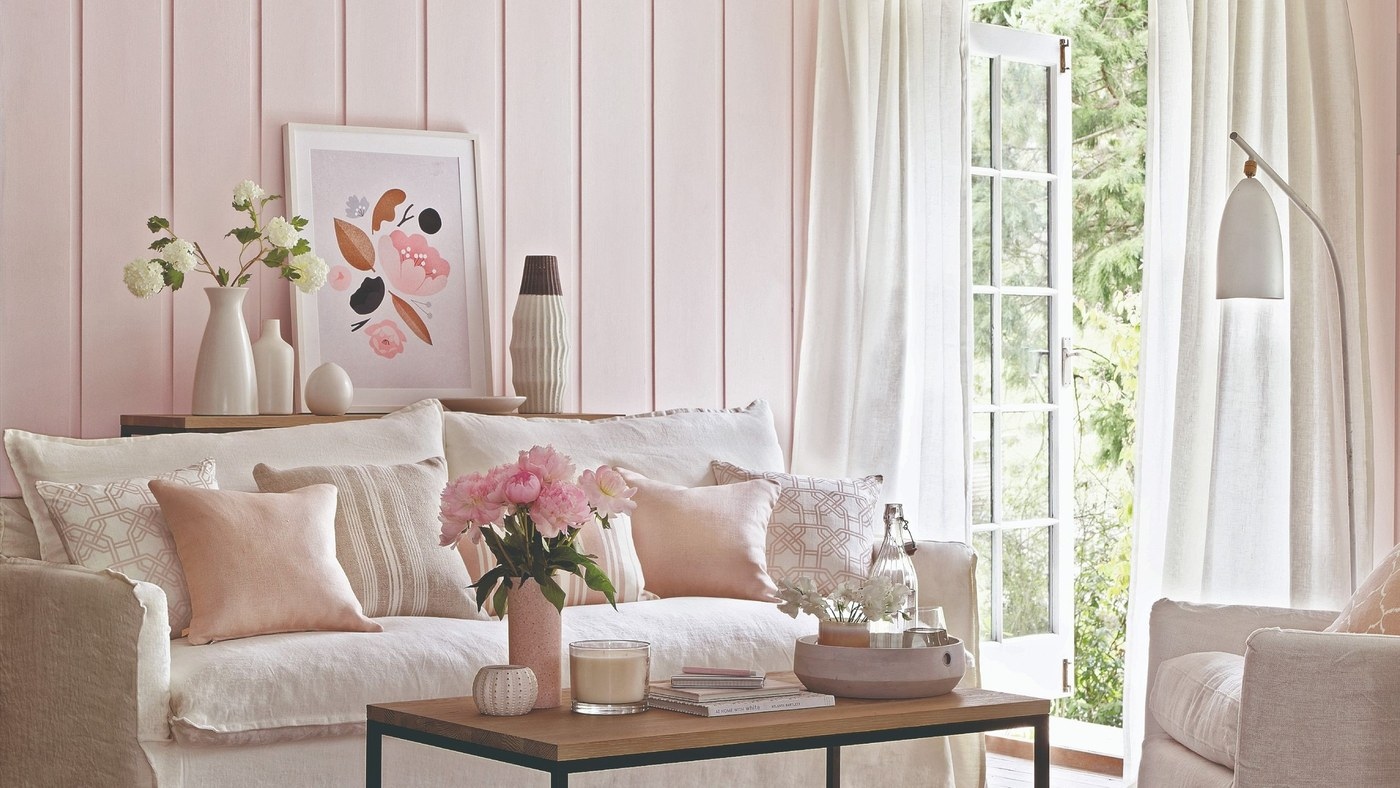
Choose Living Room Paneling to Suit the Architecture
A single paneled wall or a more enveloping treatment can add character when its profile fits the room.
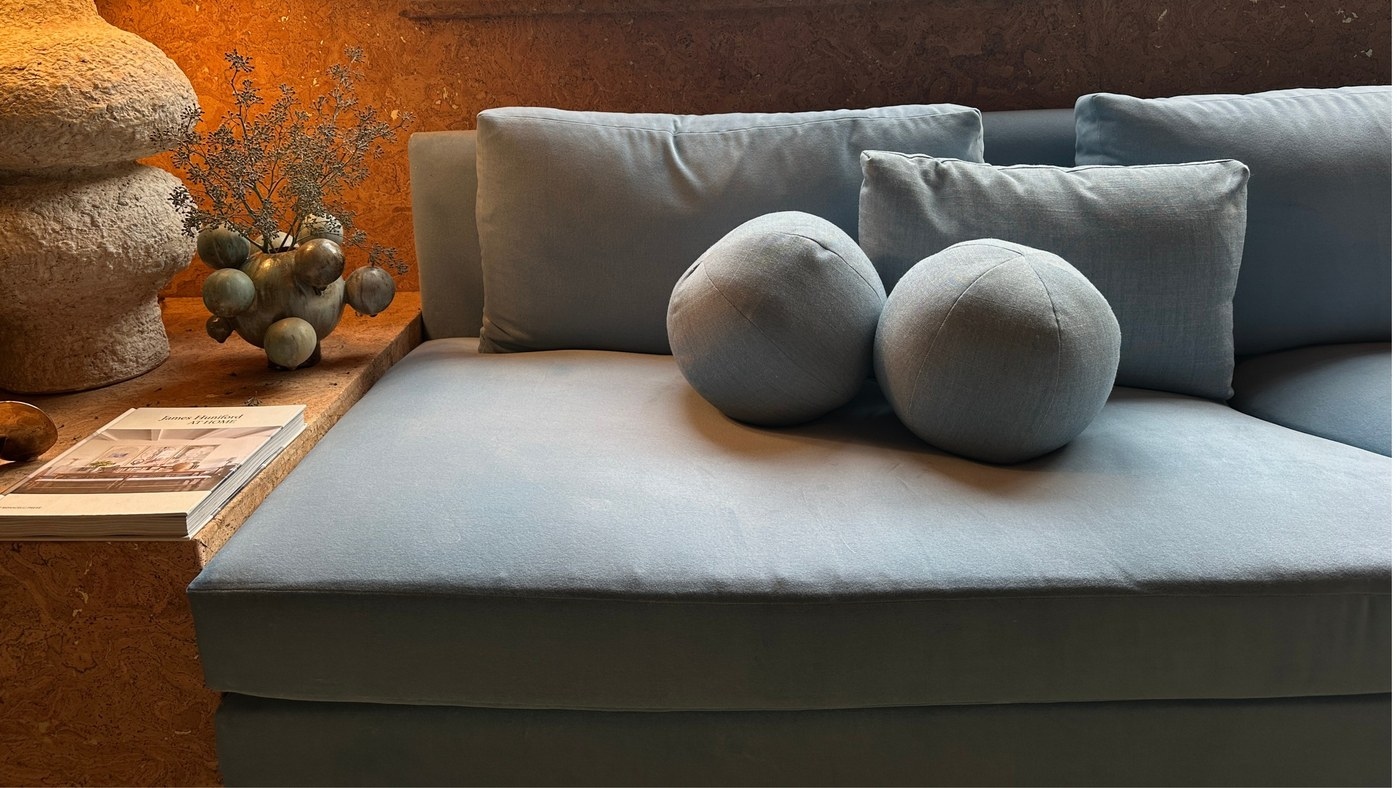
A Round Pillow Adds Shape to a Conventional Sofa
Spherical cushions introduce a small sculptural detail among familiar square and rectangular pillows.
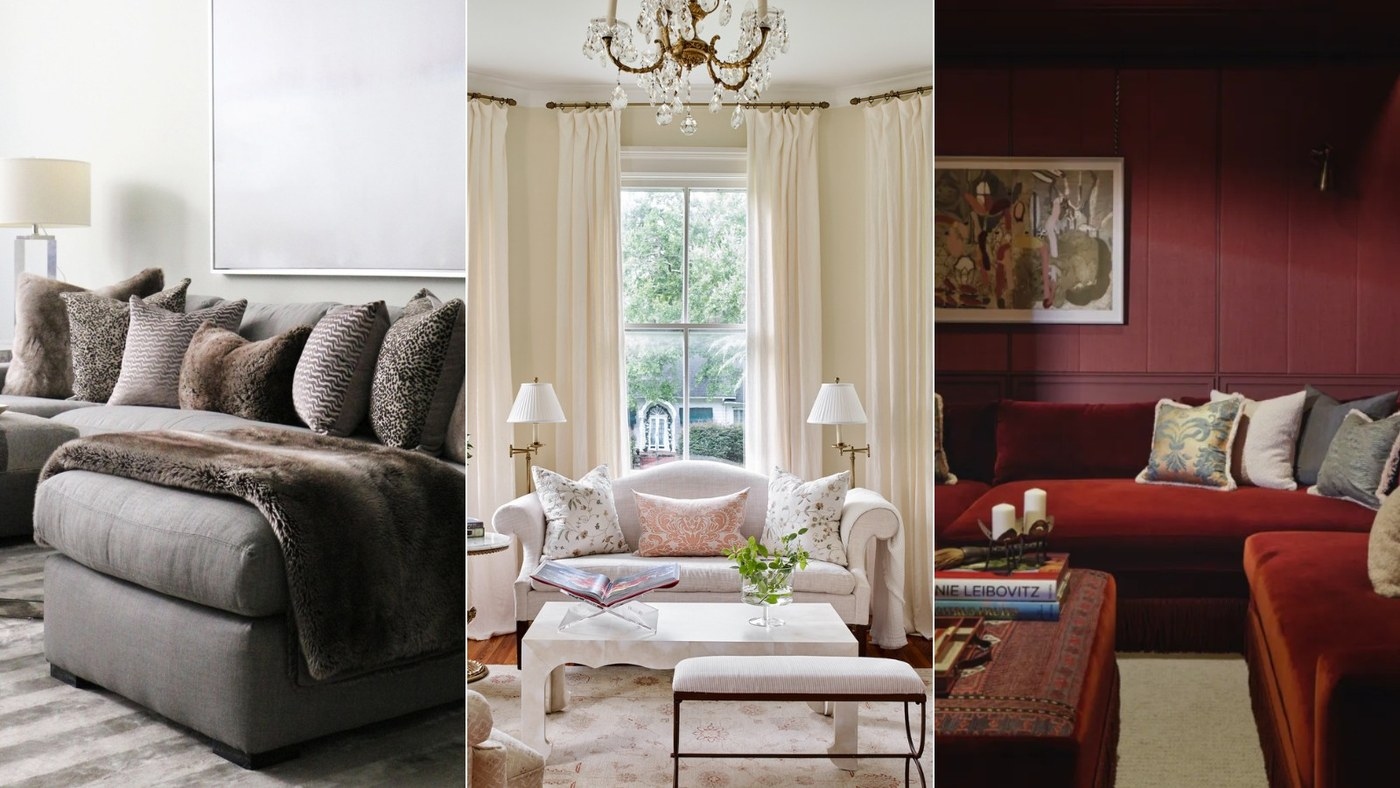
Give Sofa Cushions a Fuller, More Considered Arrangement
Varying pillow proportions and complementary covers can make the seating feel more intentional.
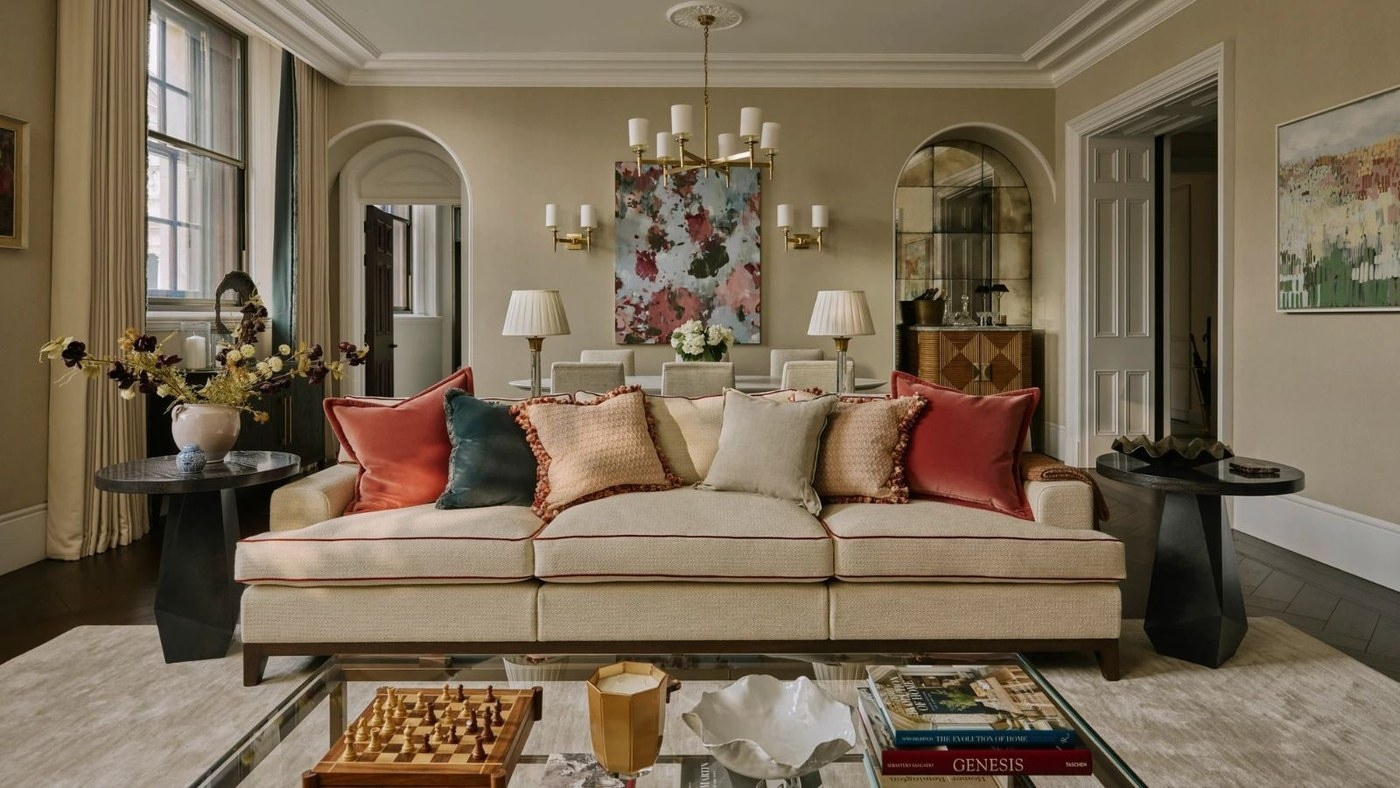
Match Throw Pillow Colors to the Sofa's Undertone
A sofa's fabric and the desired room mood provide a more useful starting point than choosing cushions individually.
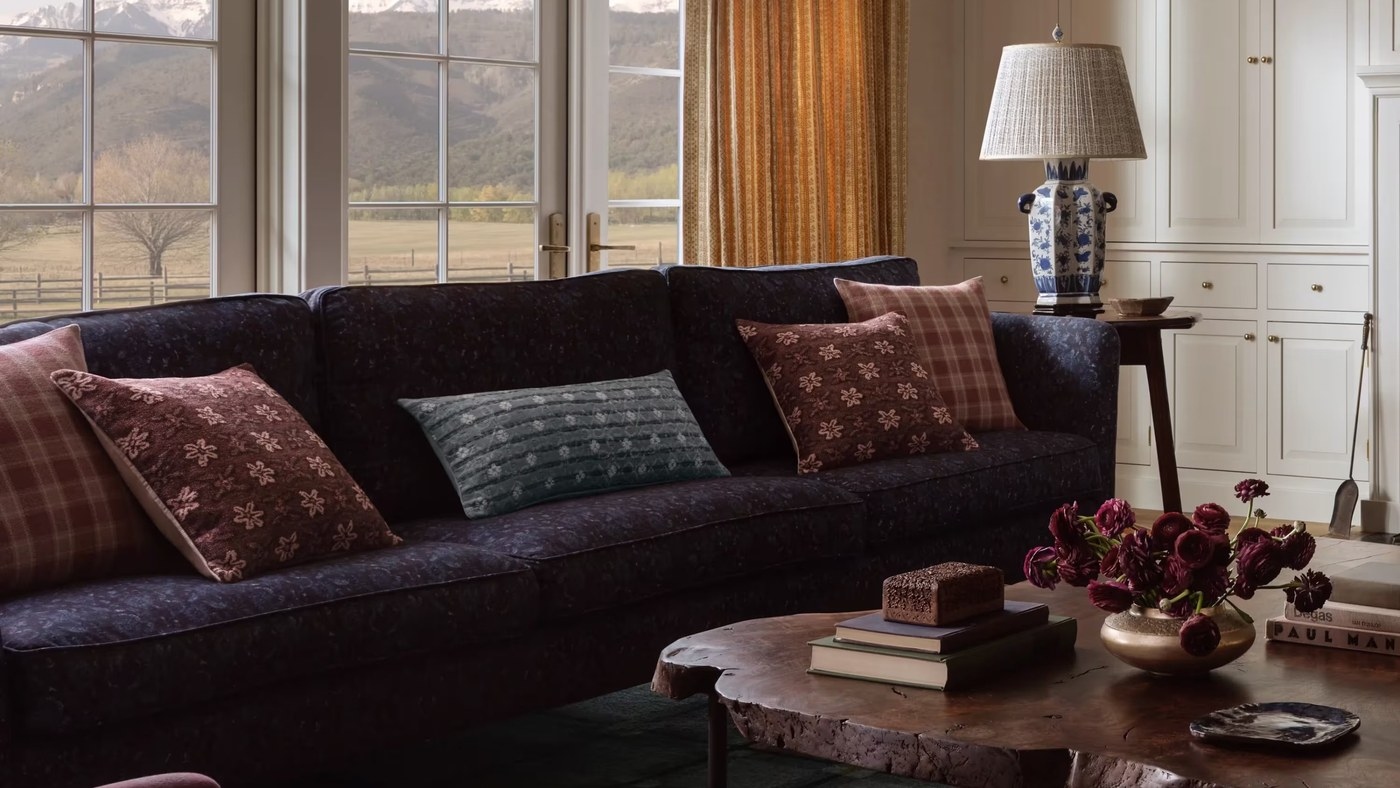
Refresh Fall Seating with a Small Change of Pillows
Seasonal color and tactile fabrics can alter the mood of a sofa without replacing its larger furnishings.

Turn a Living Room Corner into a Color Accent
A striped chair and soft pink textiles make a neglected corner feel considered.
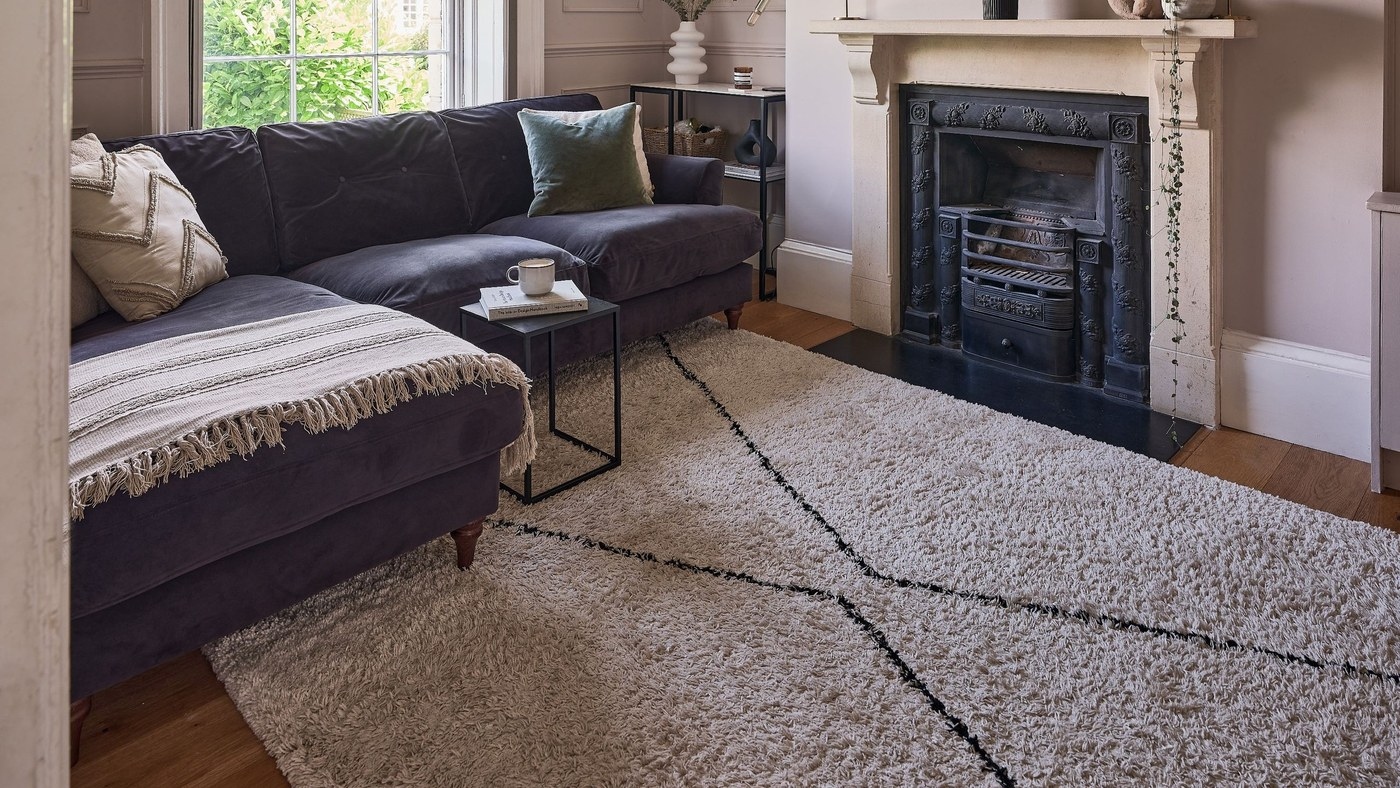
Place Sofa Front Legs on the Rug to Connect the Seating
A simple positioning guideline can help a rug feel part of the furniture arrangement rather than stranded in front of it.
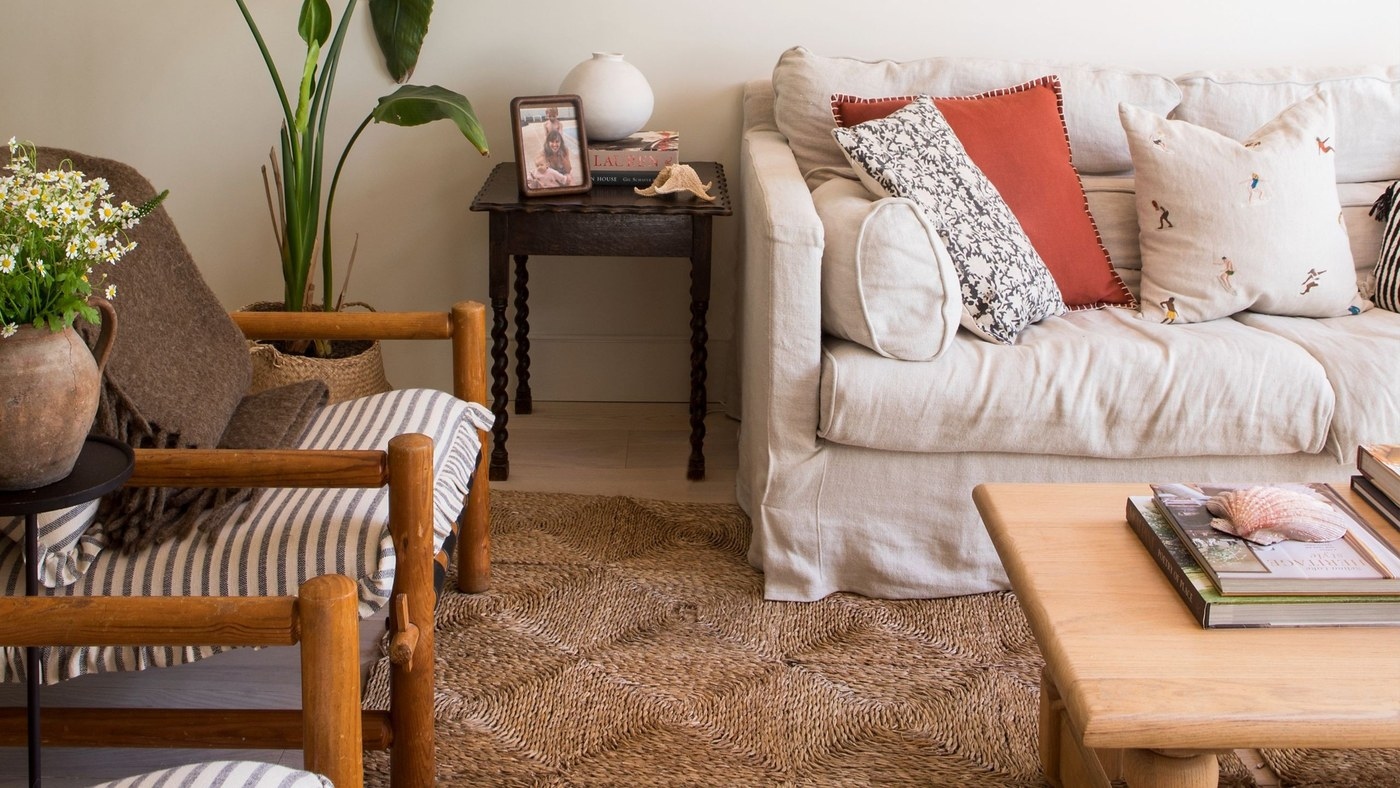
Choose a Rug Shape That Responds to the Sofa
The seating configuration provides a useful guide to the proportions and outline of a living room rug.

Layer Living Room Rugs with a Clear Difference in Scale
A larger quiet foundation and a smaller expressive rug can add texture without losing a sense of order.

Choose a Rug That Connects the Seating Area
A living room rug works best when its proportions relate to the furniture, not only the coffee table.

Use a Green Rug as a Living Room's Main Color Accent
Alyson Hannigan's pale interior shows how one substantial green textile can transform a restrained space.
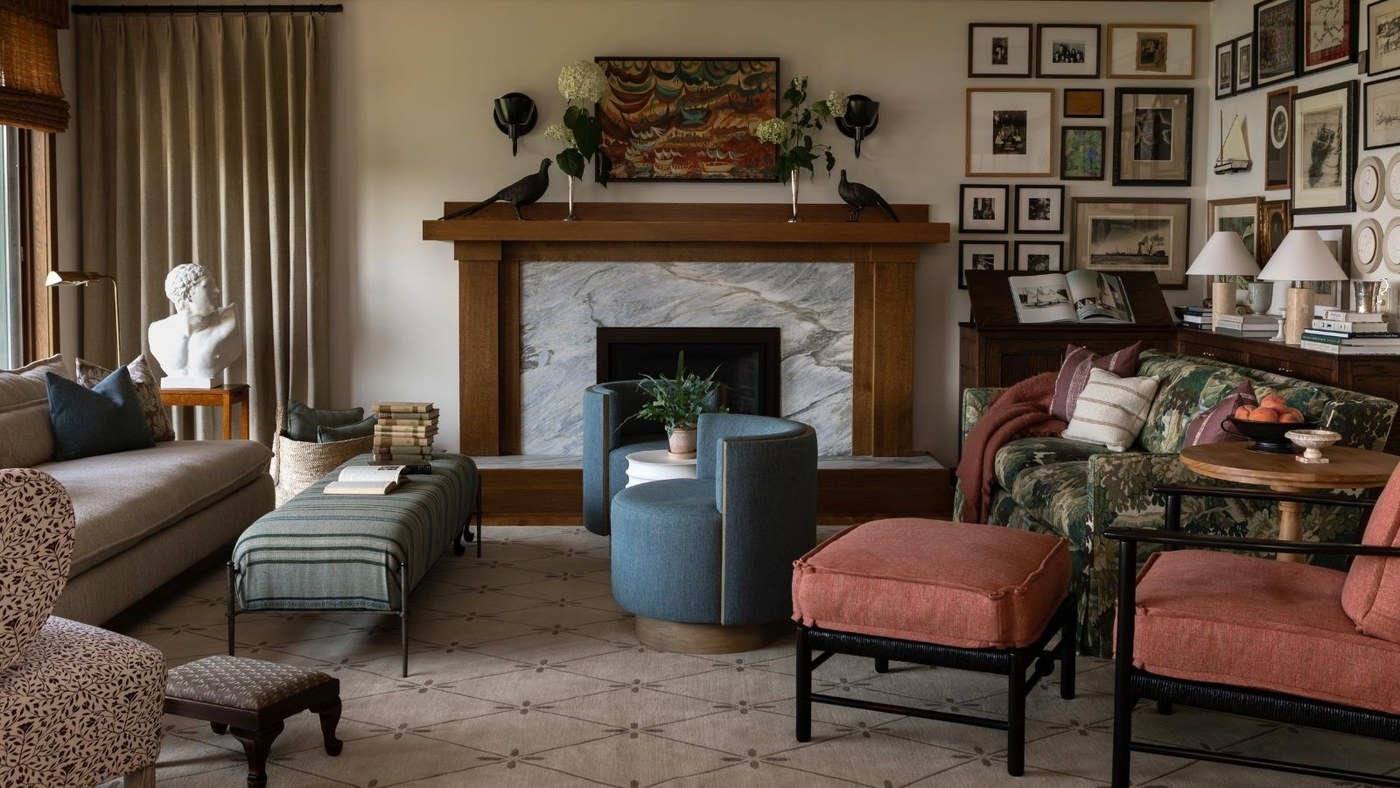
Frame Everyday Textiles and Keepsakes as Personal Wall Art
Scarves, patterned napkins, and meaningful paper pieces can turn overlooked belongings into a more individual display.

Timber Walls Give a Living Room Architectural Warmth
A British Columbia cabin uses wood as a substantial part of its neutral palette.

Make a Gallery Wall Part of the Room's Story
A mixture of artwork feels more coherent when its colors, materials, and arrangement relate to the surrounding space.

A Collected Gallery Wall for a Warm, Rustic Living Room
Nature-inspired pictures and varied wooden frames can add personality to a paneled wall.
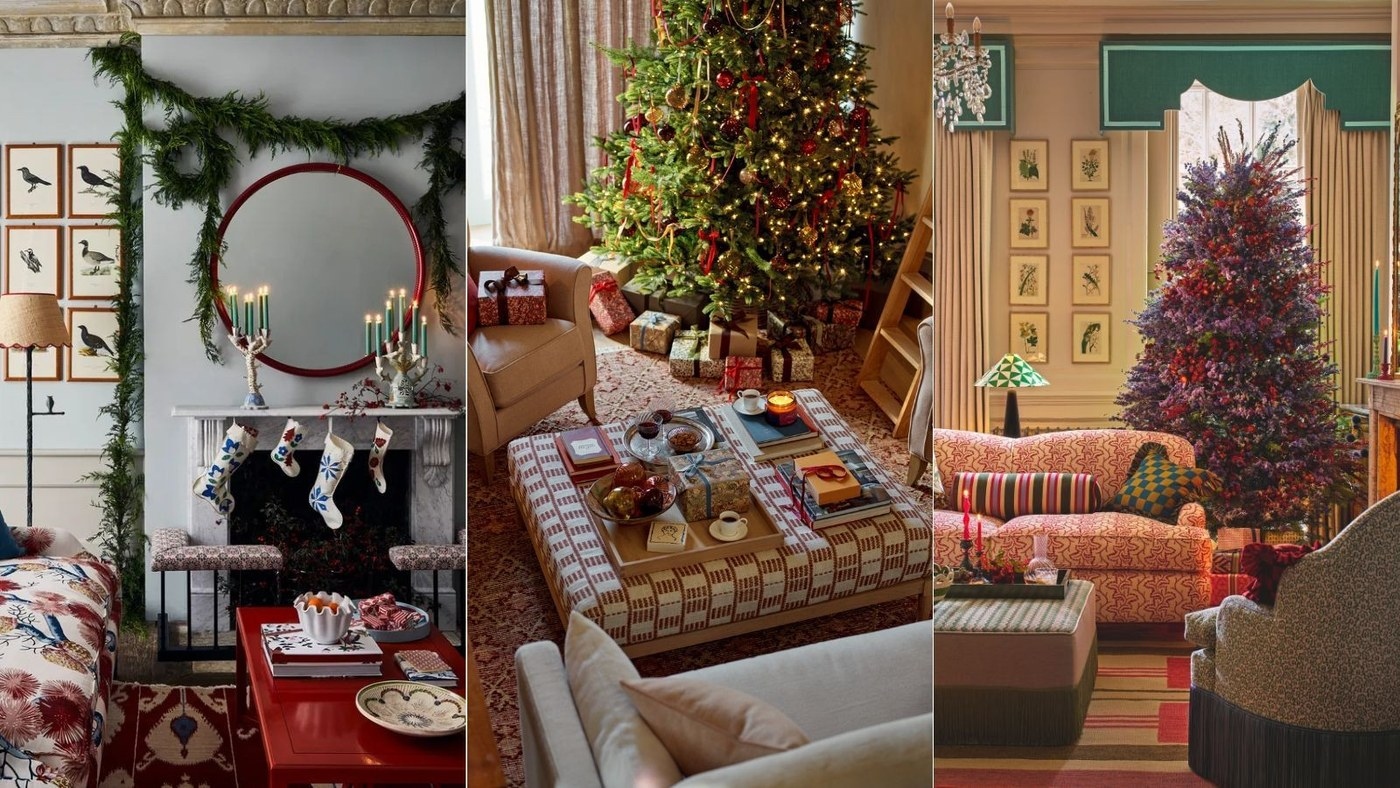
A Christmas Living Room with a Calmer Color Story
Coordinate greenery, ornaments, and the tree around colors that already suit the room.

Coffee Table Accessories That Reflect the People at Home
Art books, handmade ceramics, and sculptural flowers can make a simple table feel individual.

A Personal Coffee Table Can Include Unexpected Objects
Jackie Kennedy's apartment offers a lesson in combining collected accessories with texture and flowers.

A Marble Coffee Table That Works as Both Furniture and Display
A characterful base, useful vessels, and distinct groupings bring structure to a collected coffee table.
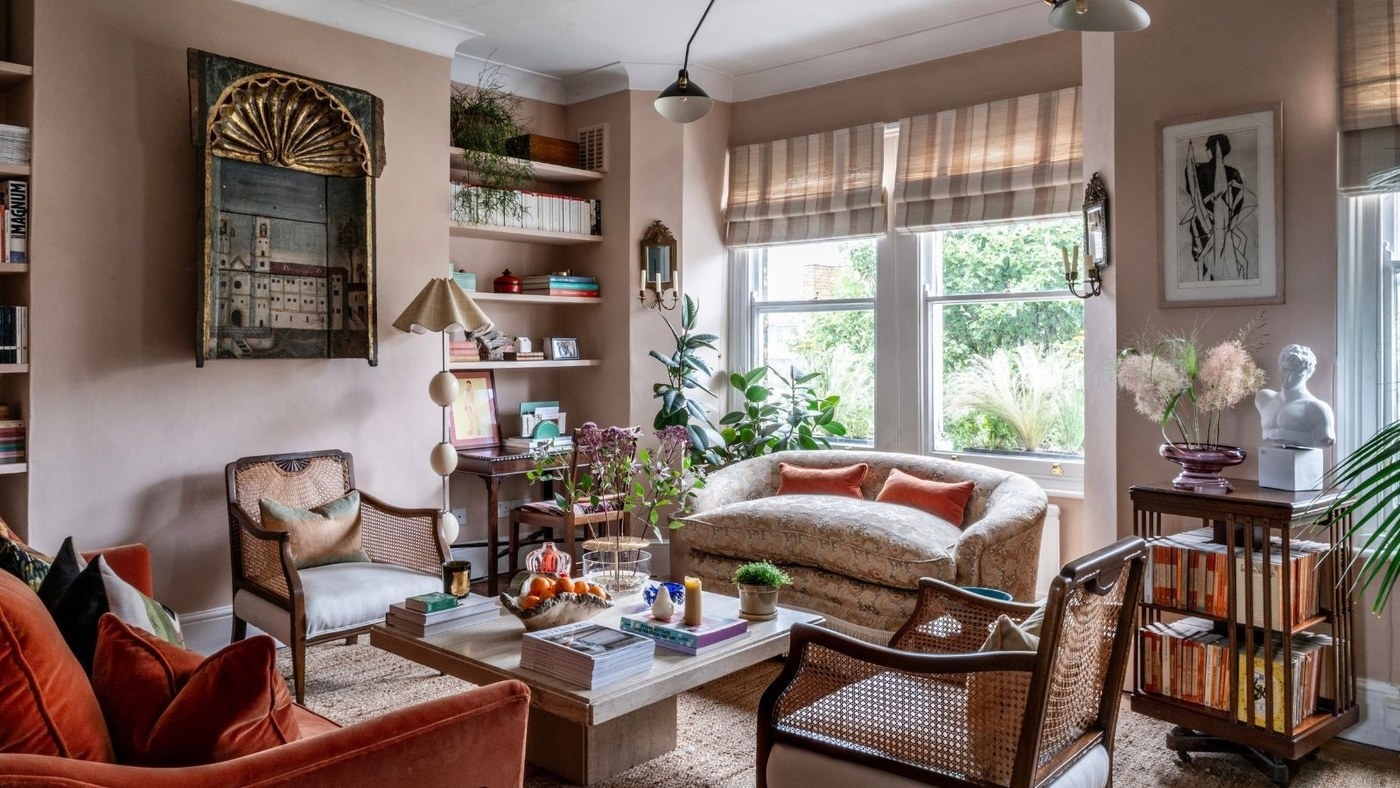
Three Ways to Give a Small Coffee Table More Presence
A tray, one stack of books, and an expressive candlestick can create structure on a compact surface.

