Category News
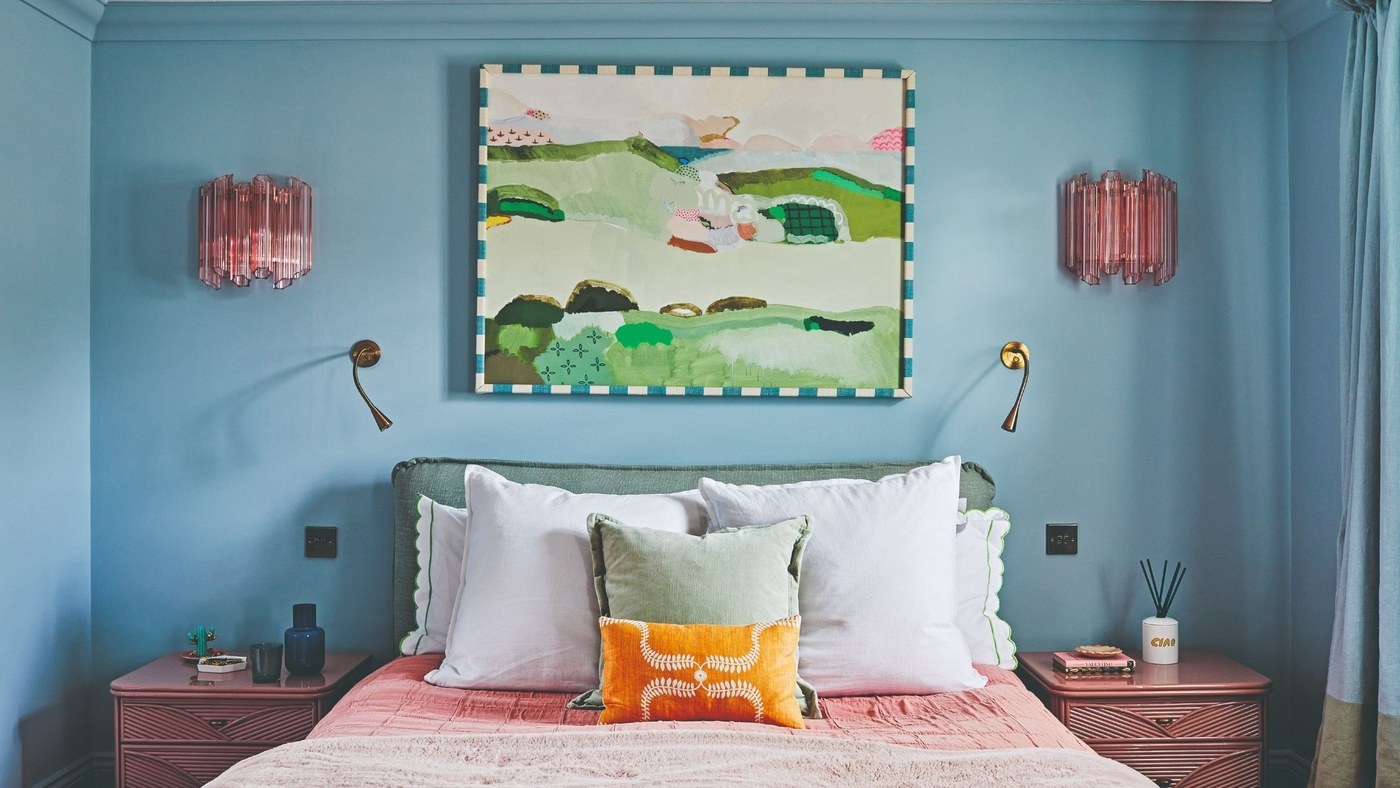
Bedroom Walls Can Show Personality Without Feeling Busy
Mirrors, considered artwork, and restrained finishes can balance individual character with a quieter sleep space.
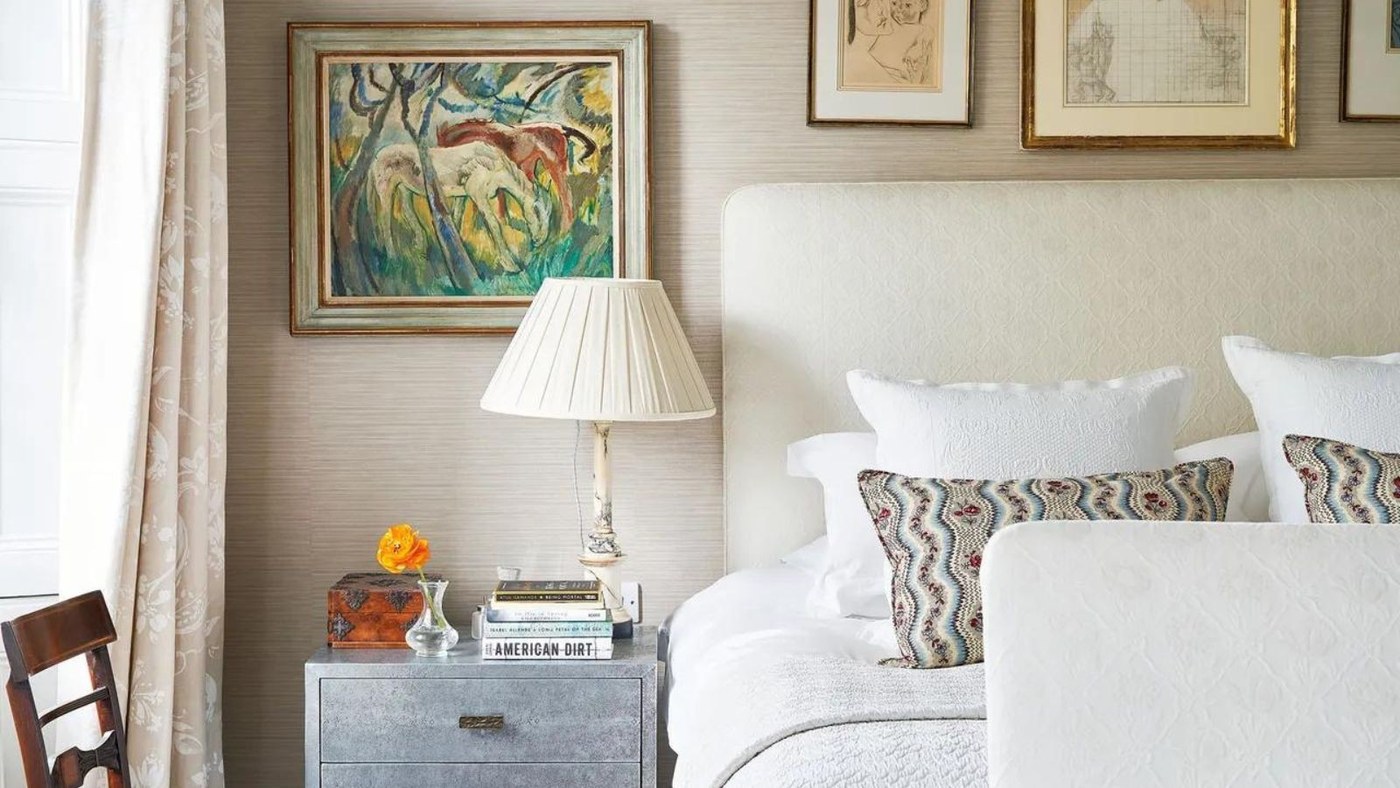
Plan a Bedroom around Restful Practicalities
Light, noise, layout, and temperature deserve attention alongside decoration.
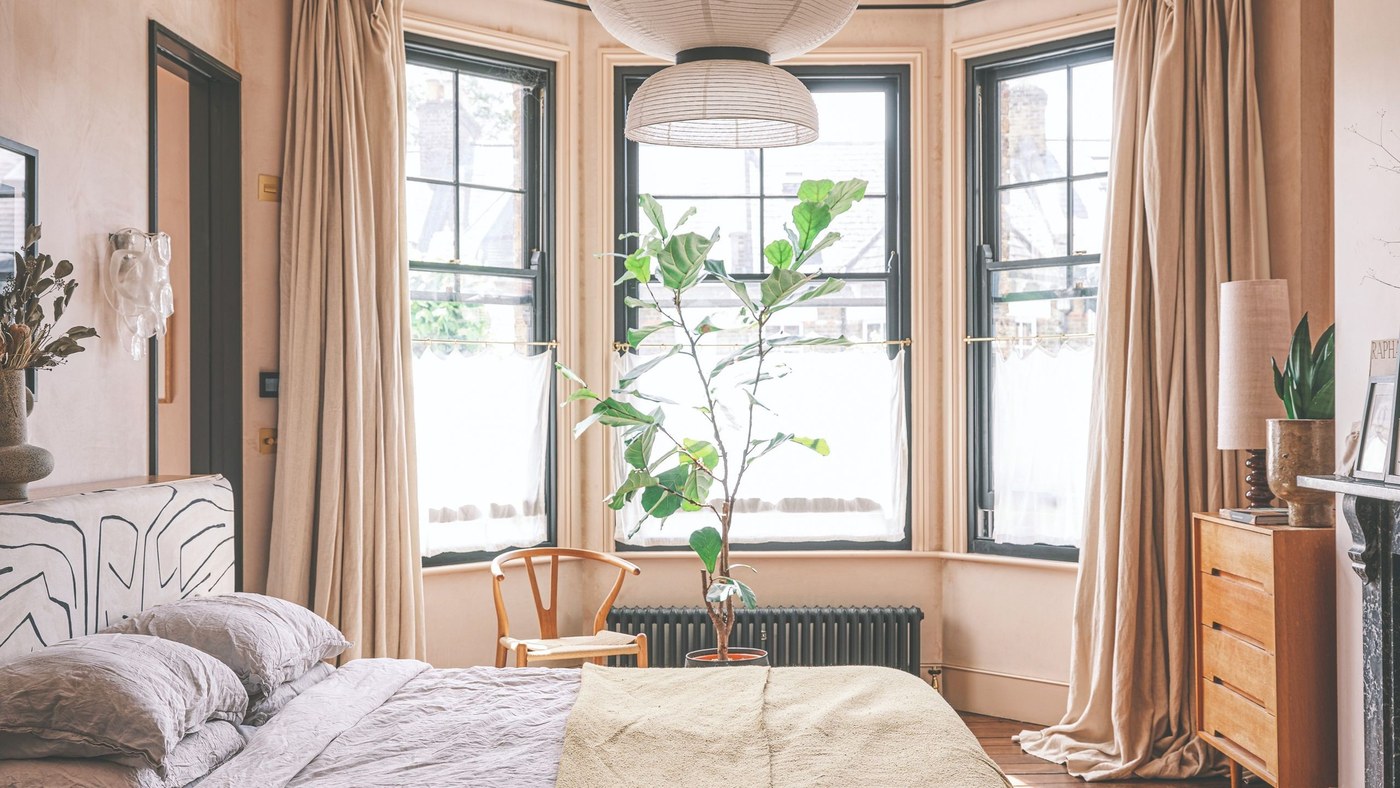
Check Bedroom Lighting from the Pillow
A ceiling fitting can look different when viewed from the bed.
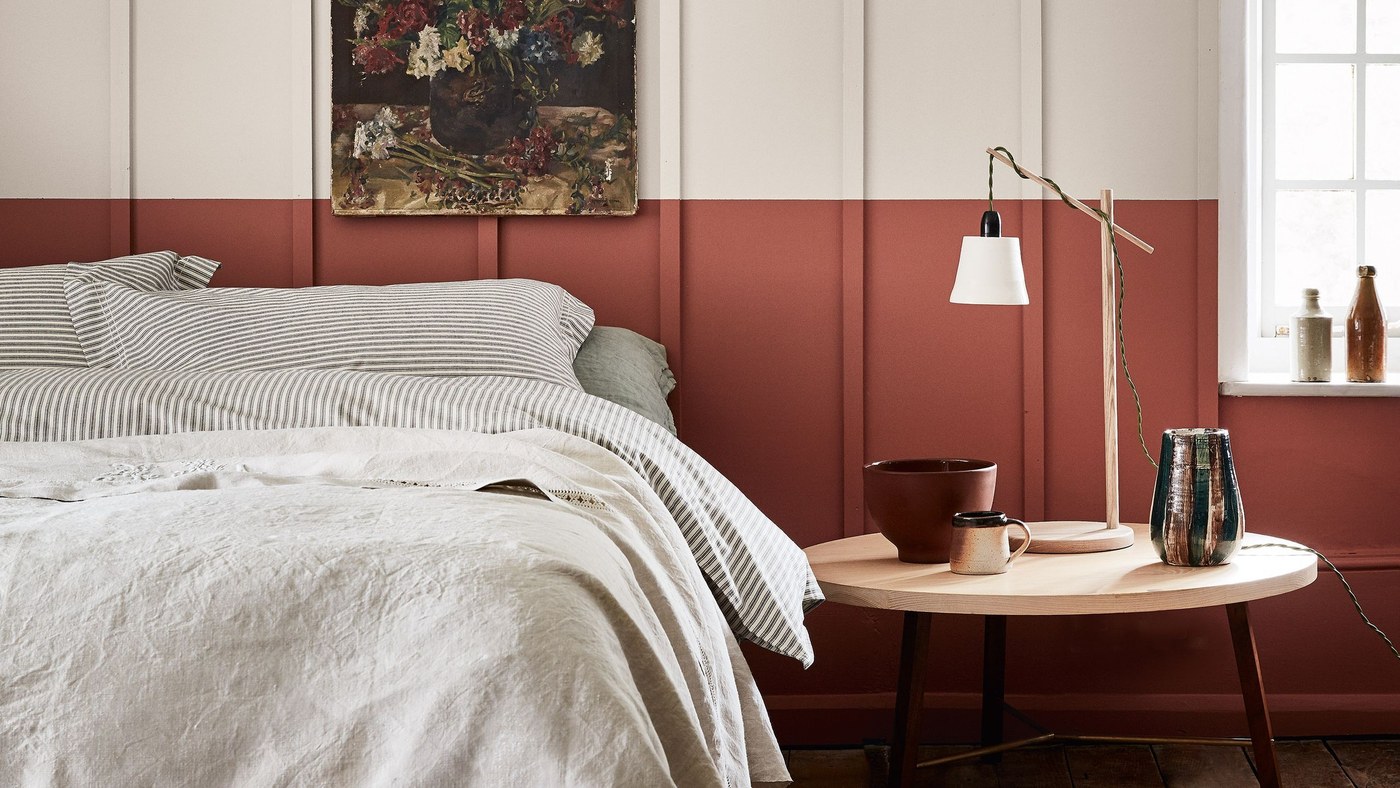
Move a Cool Bedroom Palette toward More Warmth
Undertones can change a room without requiring an entirely different style.
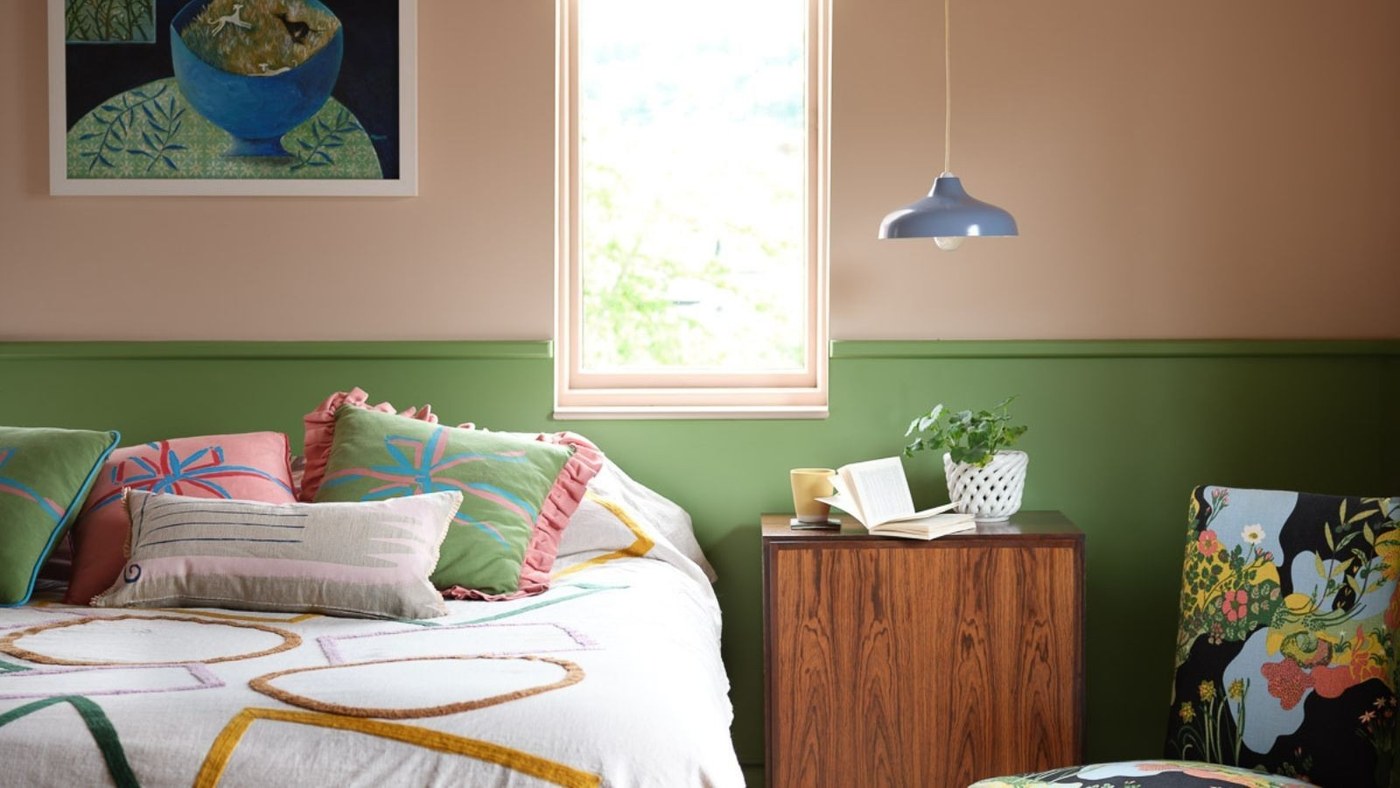
Bedroom Colors with Depth and Warmth
Muted greens, softened grays, and warm whites offer several routes to a restful-looking bedroom.

Personal Collections Give a Guest Bedroom Character
A narrow display shelf and varied textiles make meaningful objects part of the room.
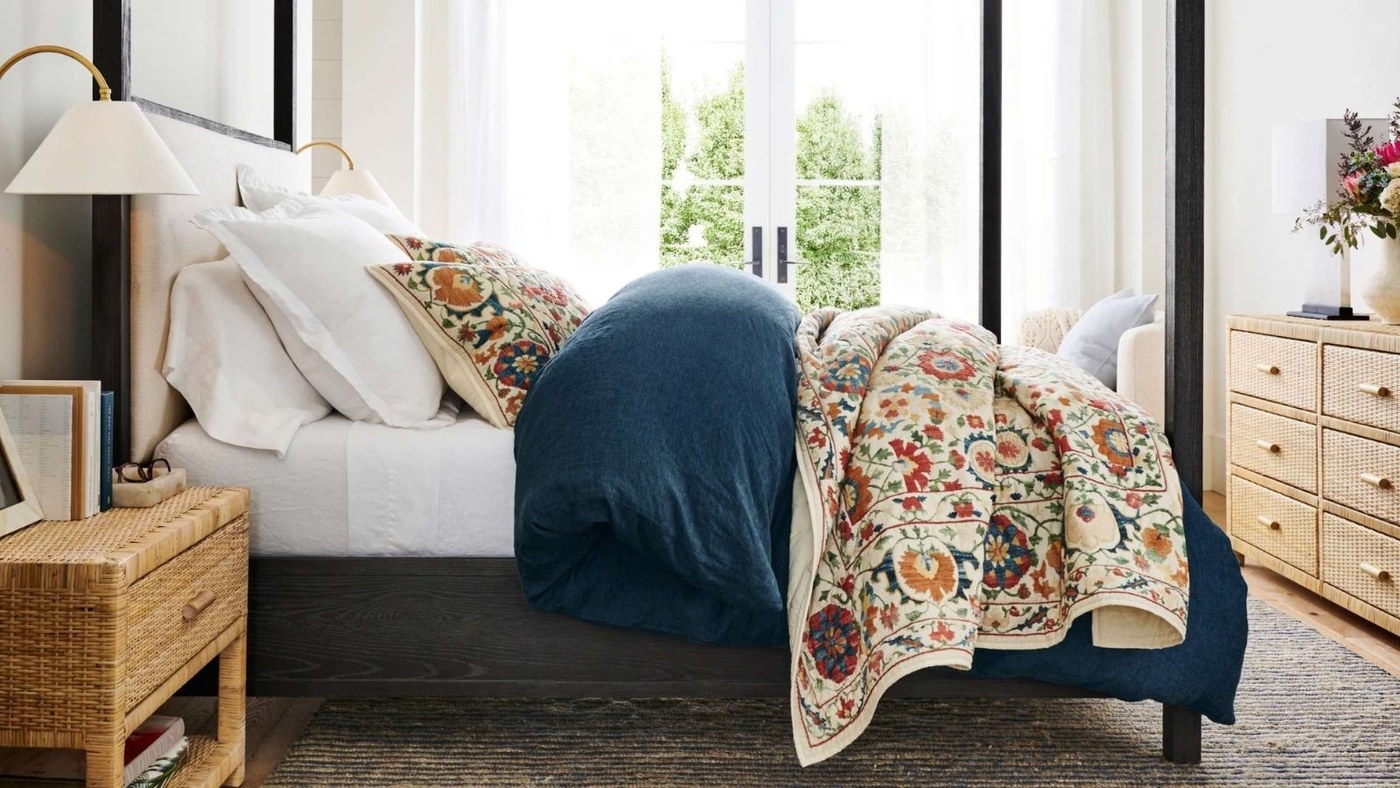
Choose Bedding Layers for Your Preferred Look and Feel
Crisp cotton, smoother sateen, and textured linen offer different foundations for a styled bed.
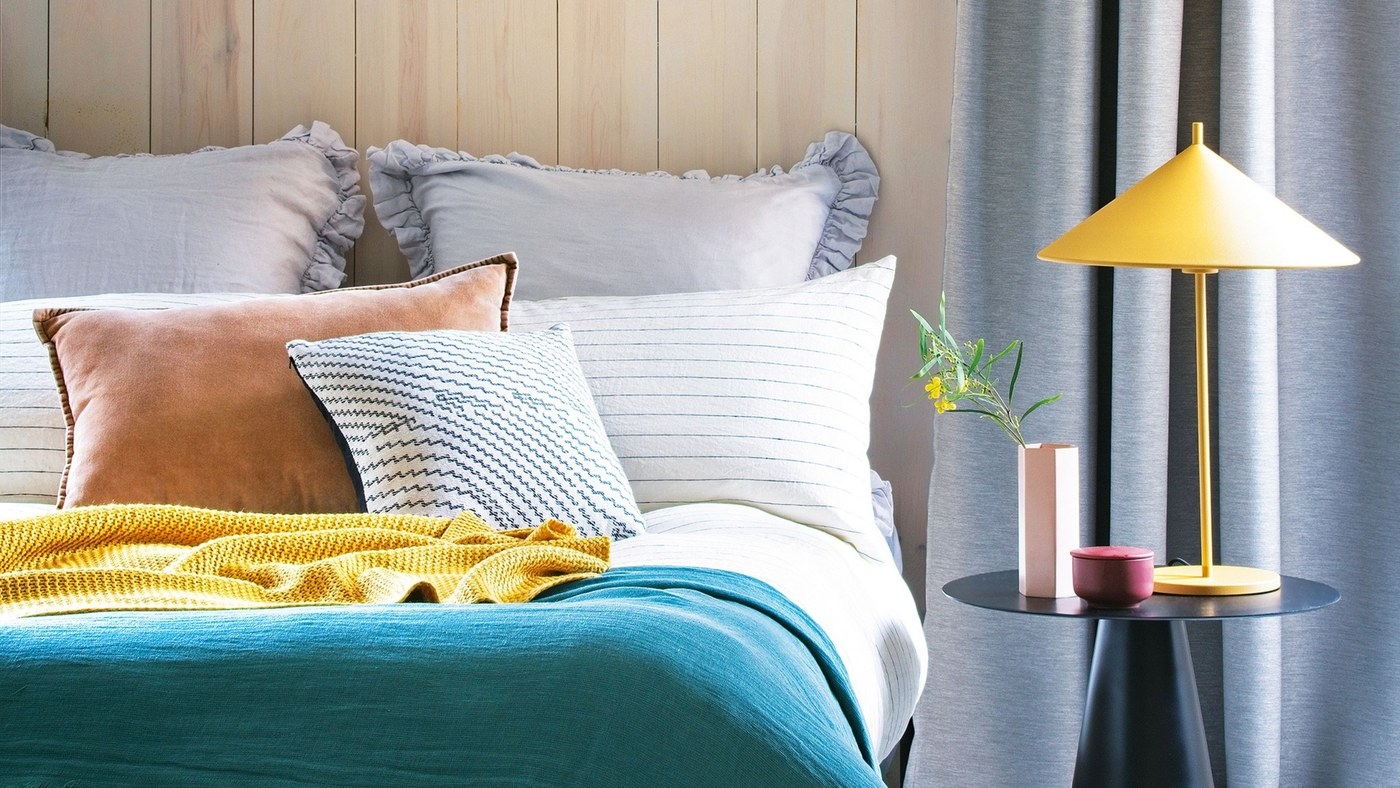
Layer Bedding with a Clear Foundation and One Finishing Textile
Sheets, a duvet, and a folded quilt or throw can create depth without making the bed feel overfilled.
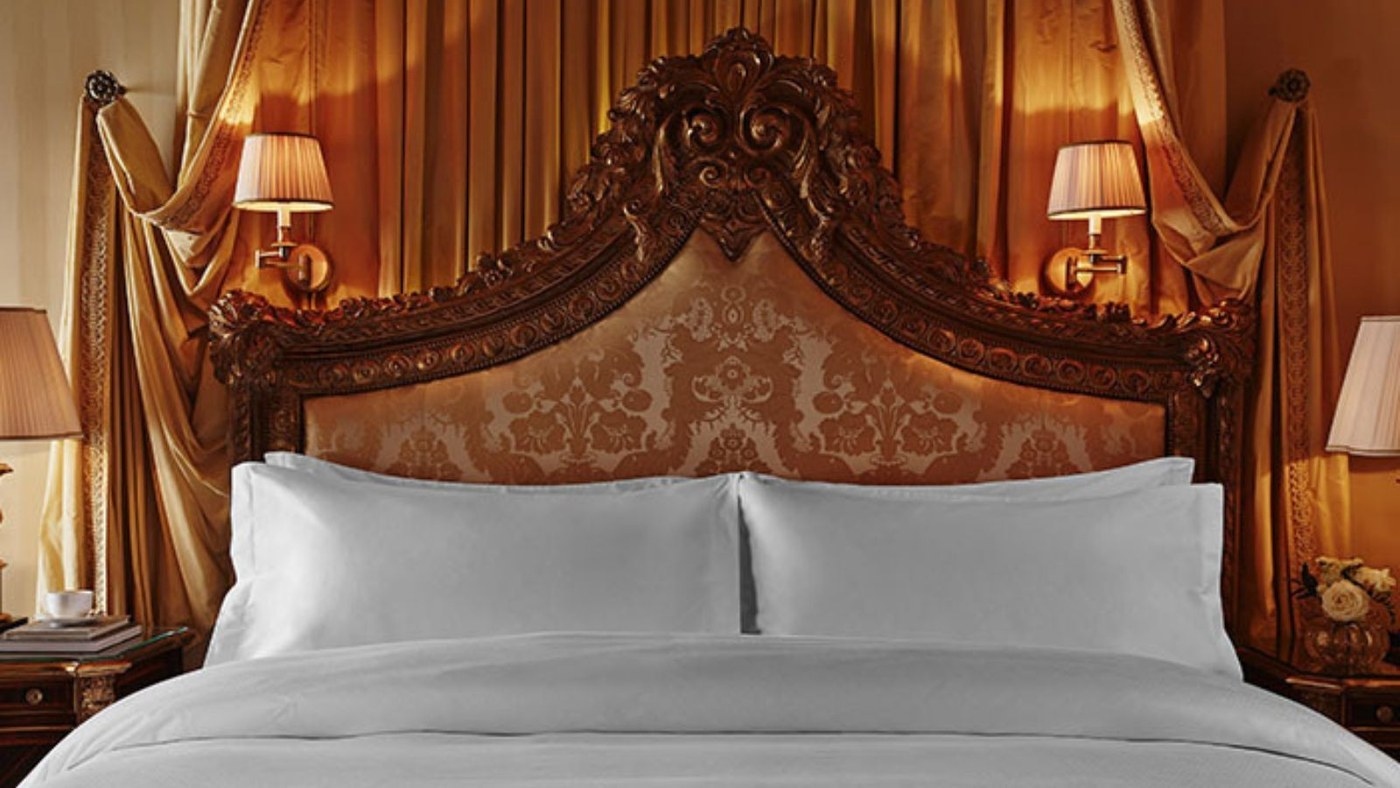
Build a Well-Dressed Bed from Its Foundation Up
Fresh sheets, suitable protection, and fabrics chosen for their feel establish a more useful bedding arrangement.
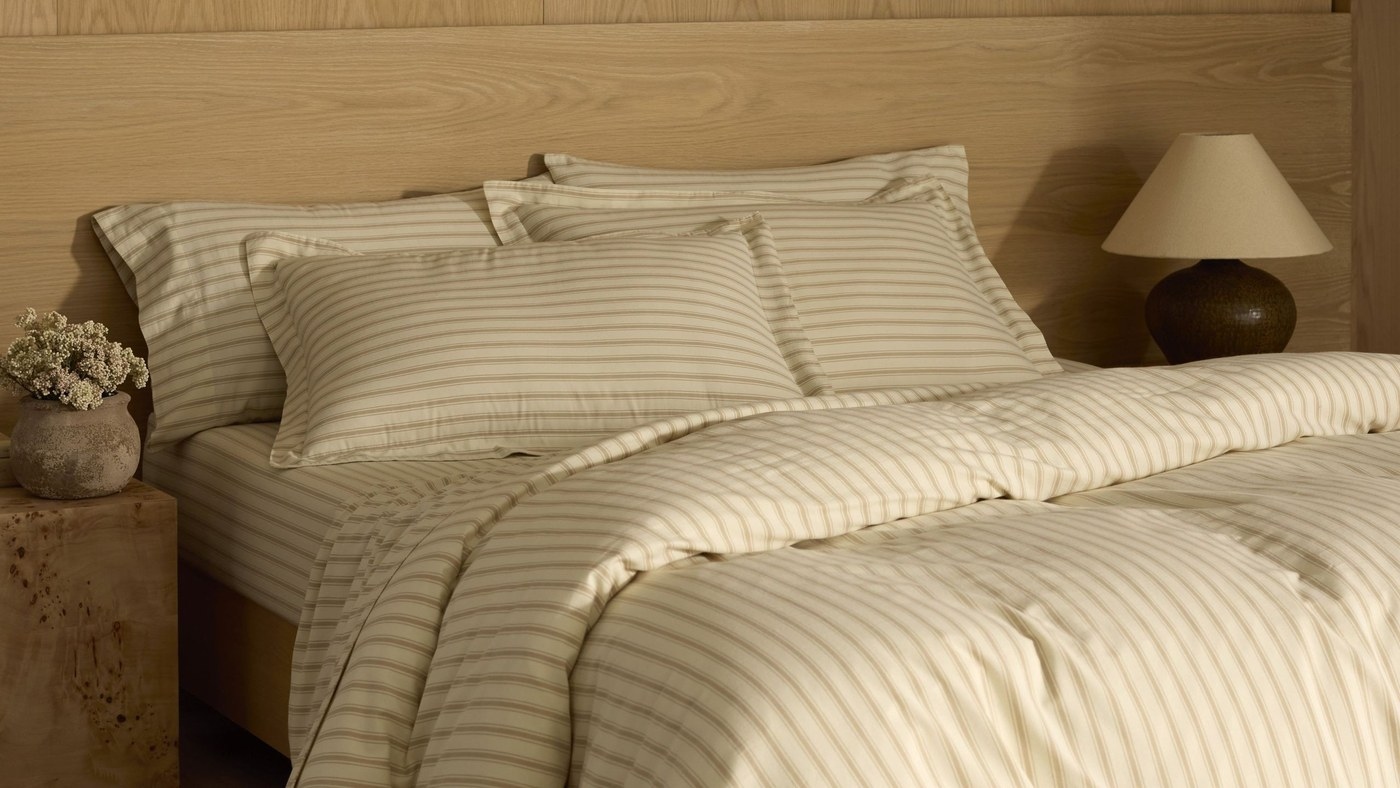
Layer Cotton Bedding with Navy, Neutrals, and Ticking Stripes
Washed finishes and related colors offer a relaxed way to combine sheets, quilts, and pillow shams.
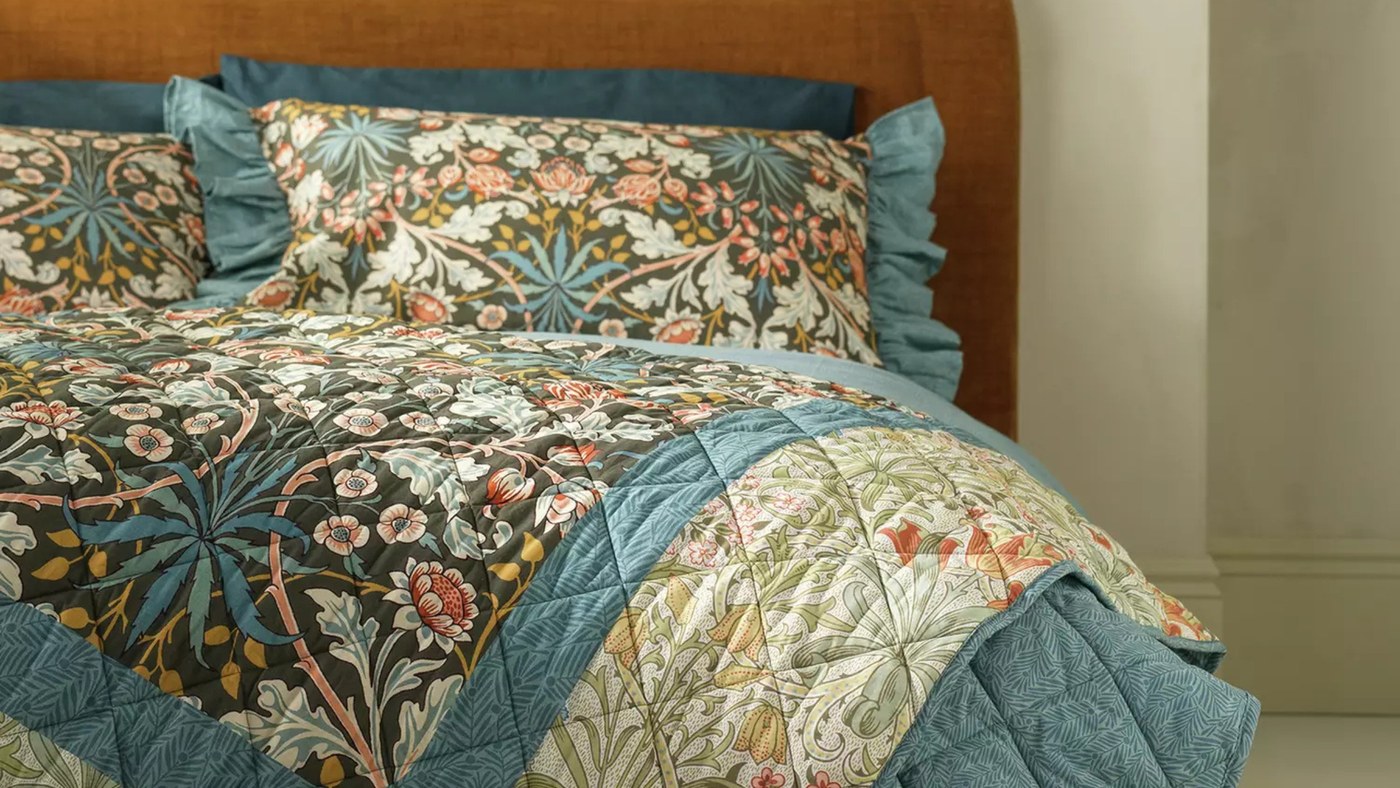
An Heirloom-Style Bedspread Adds a Softer Layer
Quilting and traditional motifs can refresh the bed without redecorating the room.

A Wreath Can Become Bedroom Wall Decor
Brooke Shields uses organic form in a quieter neutral setting.
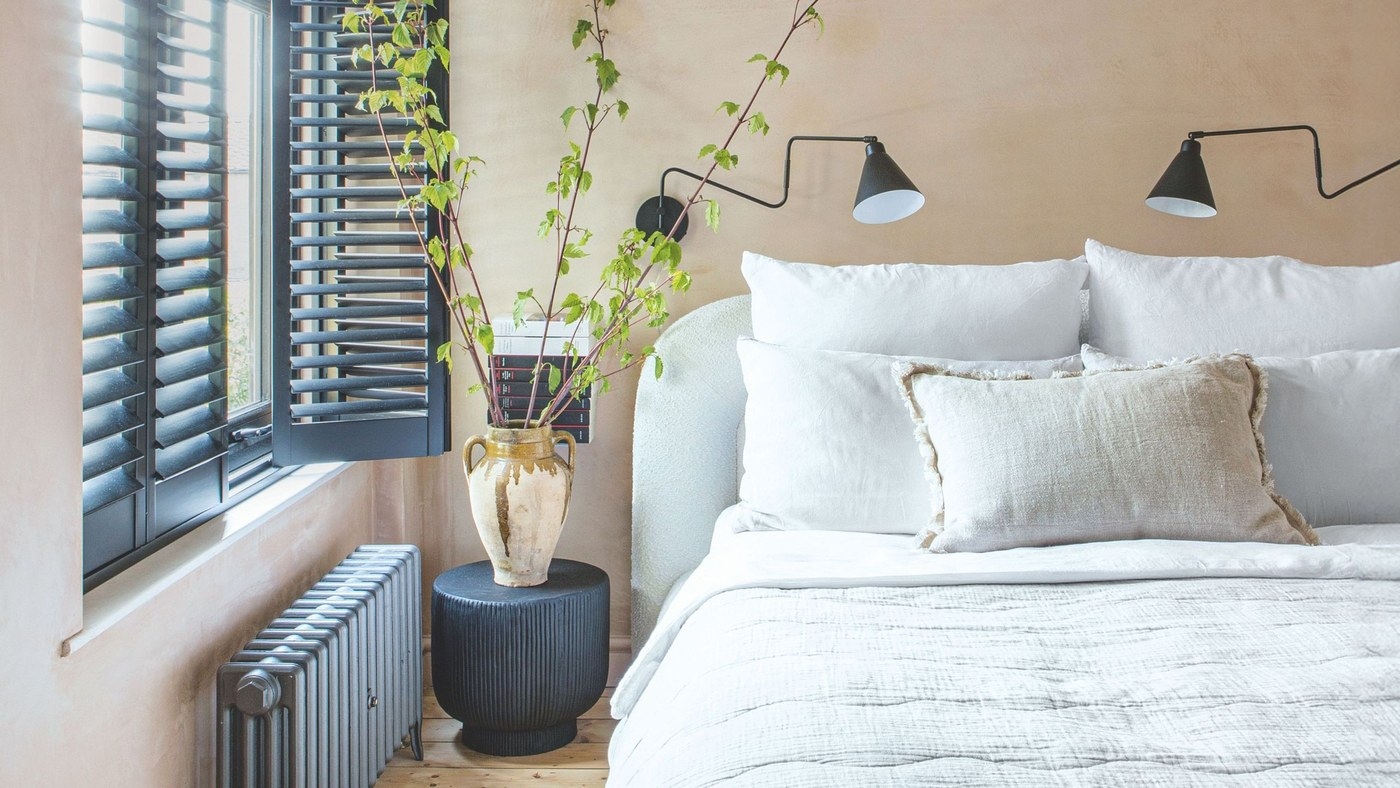
Avoid Bedroom Details That Compete for Attention
Subtler wall patterns and less automatic furniture matching can make a bedroom feel more individual and settled.
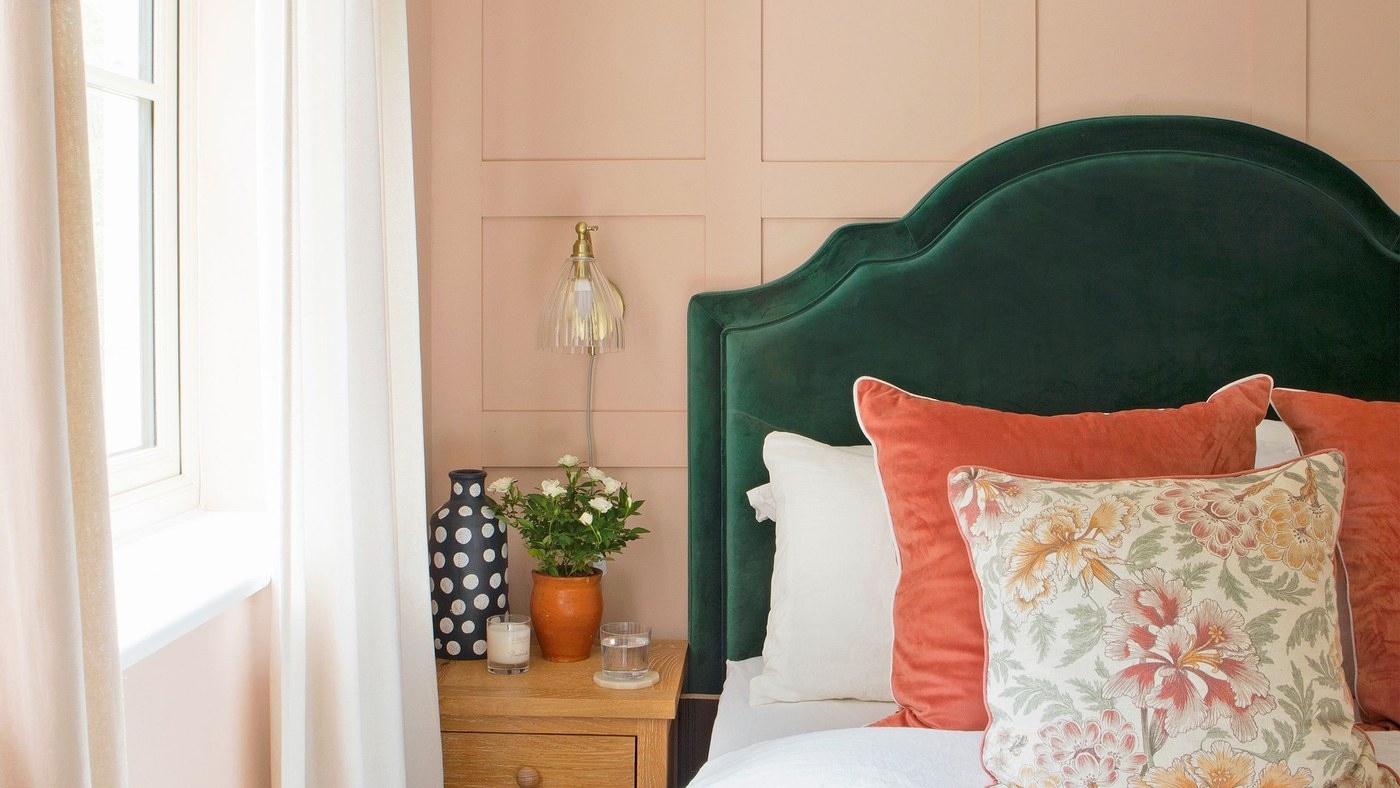
Use the Wall Behind the Bed to Organize a Small Room
Thoughtfully chosen paneling can create architectural interest without adding a scattered collection of decorative objects.

Choose Bedroom Wall Art for Texture as Well as Color
Sculptural pieces above a bed can add depth when their scale and character suit a quieter room.
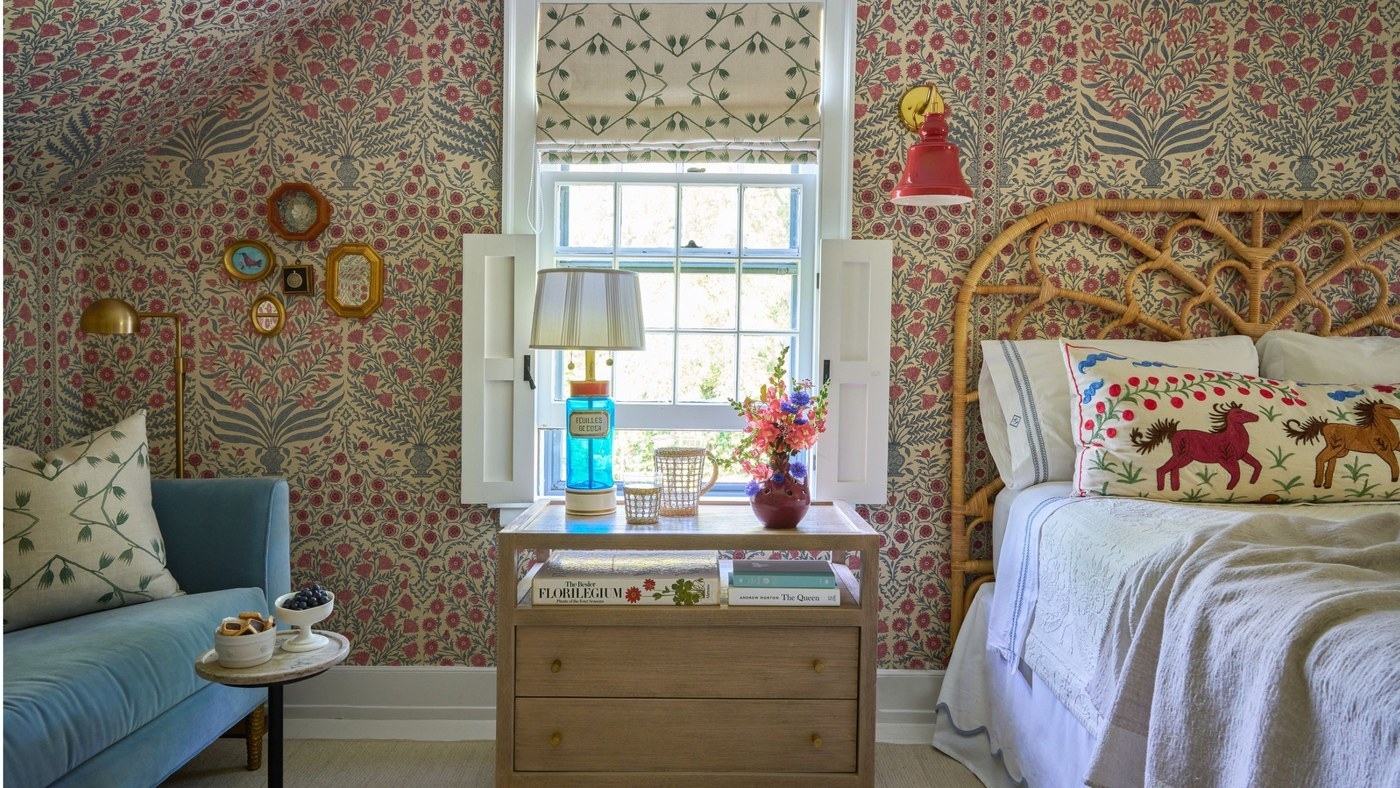
Build a Cozy Bedroom through Several Soft Layers
Warm light, comforting bedding, and upholstered details work together to change a room's atmosphere.

A Bedside Catchall Makes Small Personal Items Feel Intentional
A ceramic dish, a favorite book, and a considered decorative object can give the nightstand a more personal role.
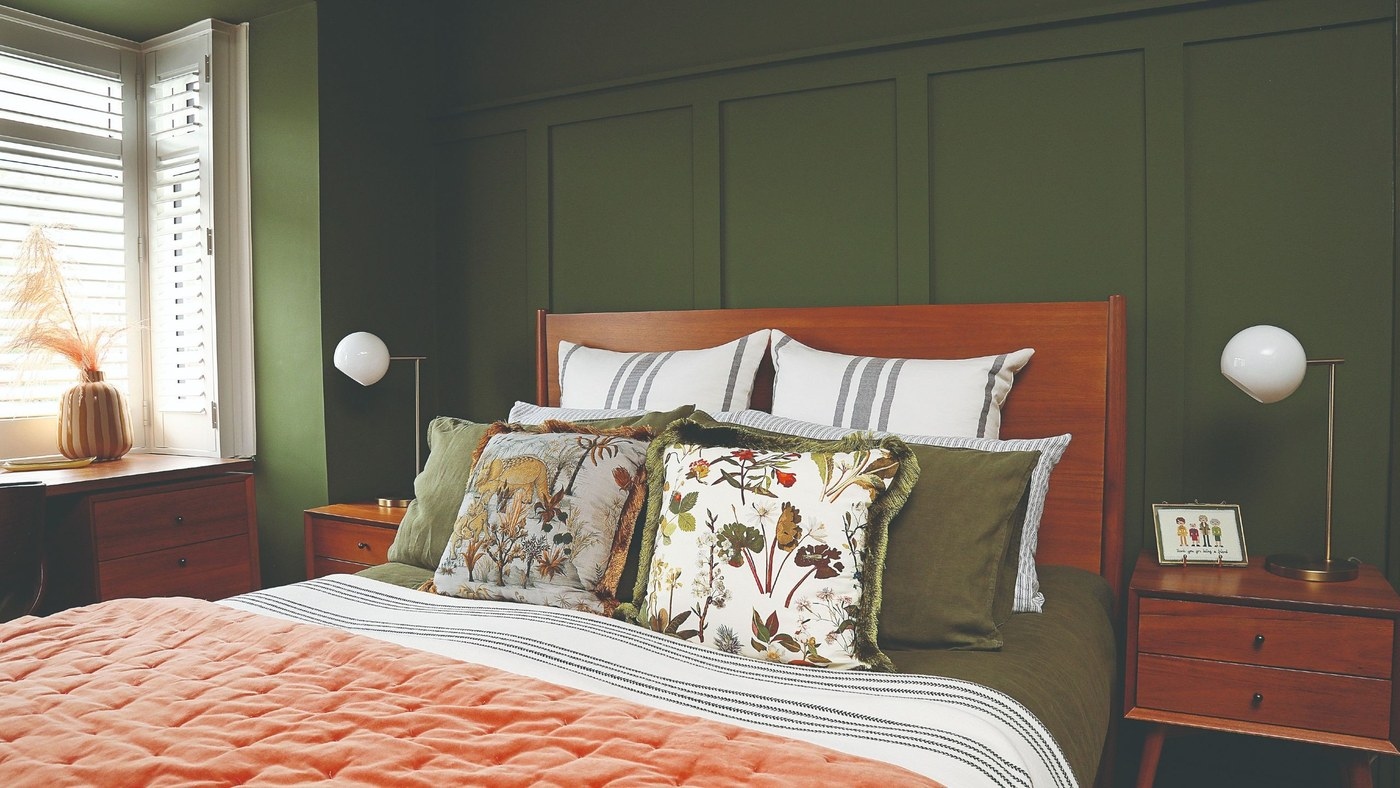
Size a Bedside Lamp for Both the Table and Its Purpose
A useful lamp needs to fit the available surface and provide the kind of light used beside the bed.
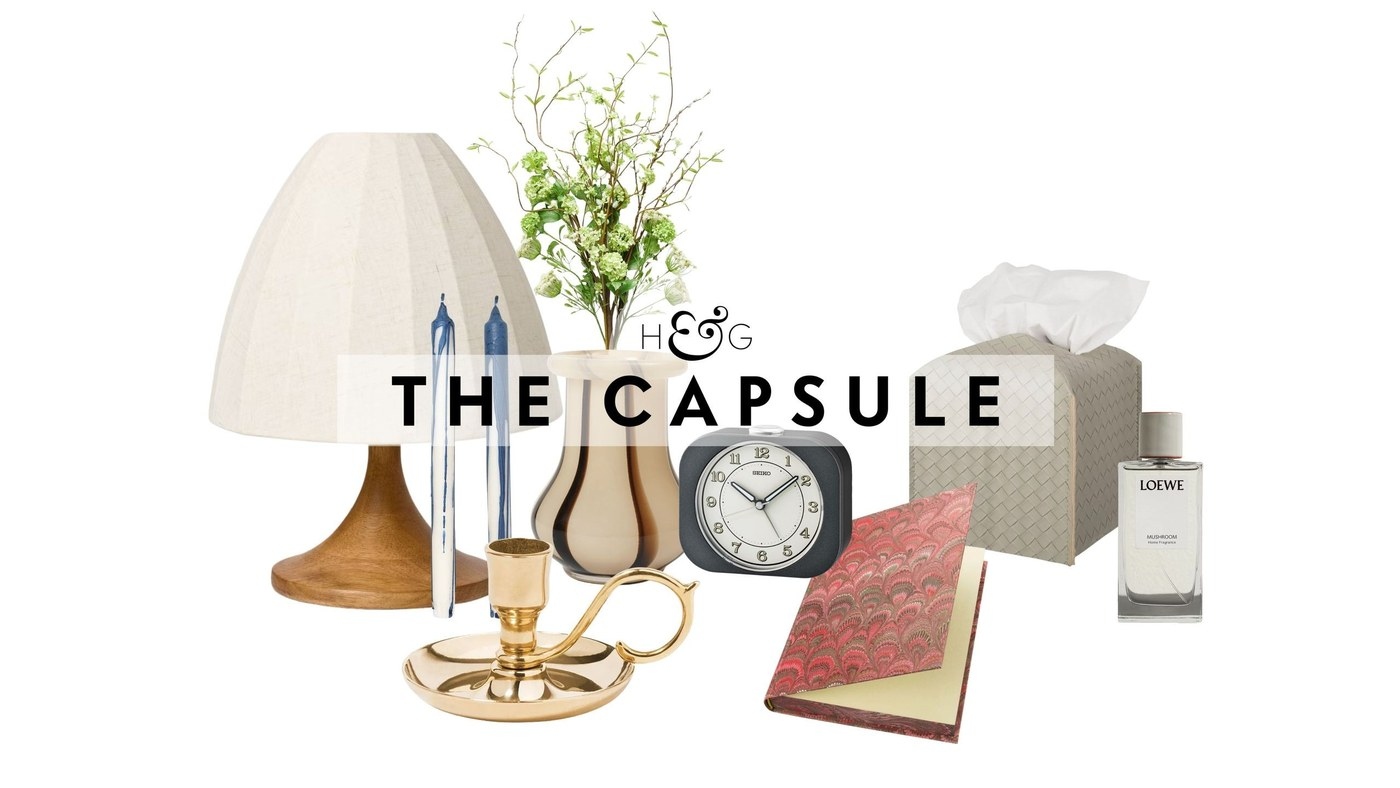
Style a Nightstand around the Small Things You Need
A carafe, coaster, notebook, and flowers can combine useful bedside functions with a considered appearance.

Keep a Nightstand Useful and Visually Quiet
A lamp, a small vase, and concealed storage can create a more deliberate bedside arrangement.

