Category News
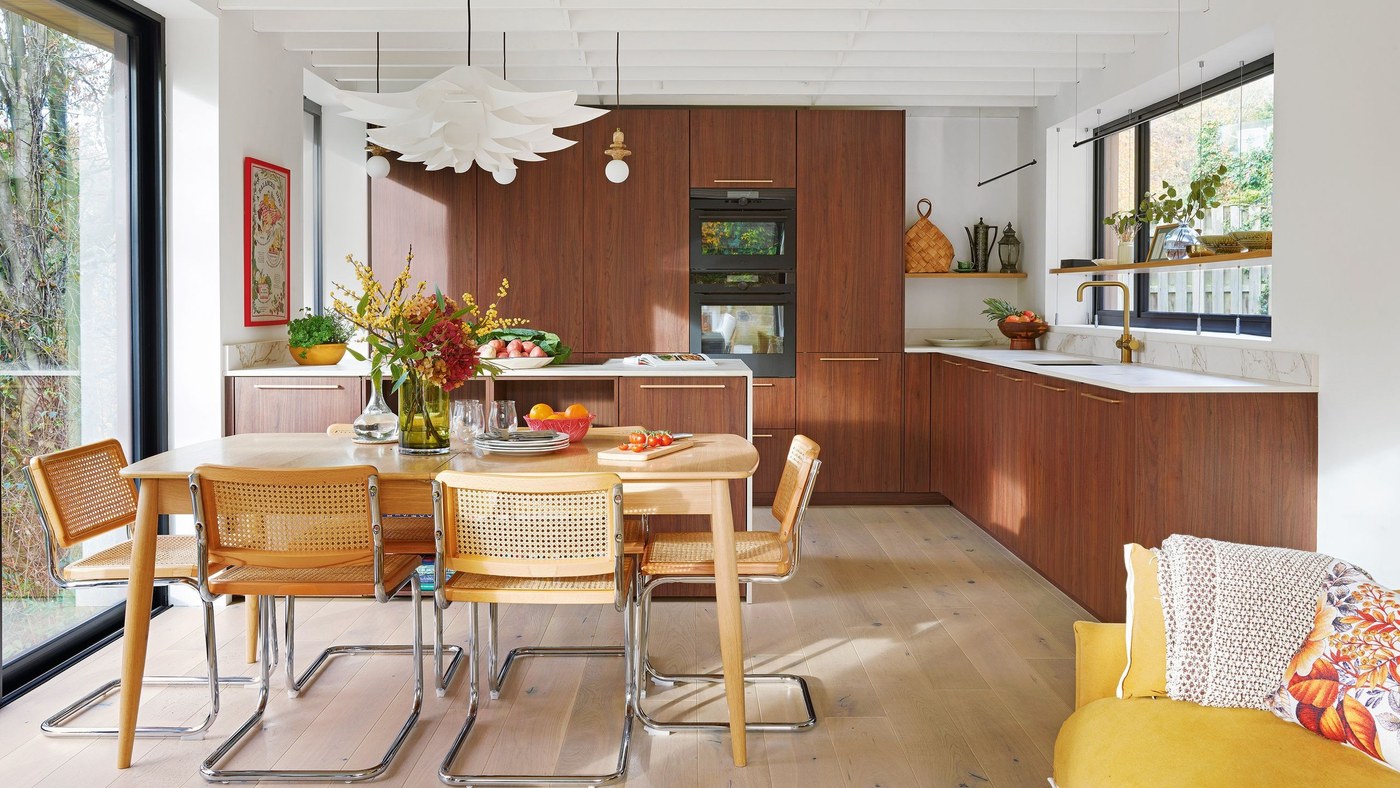
A Family Extension Blends Mid-Century and Japandi Ideas
Wood textures, built-in storage, and vintage pieces connect a 1960s home to its garden.
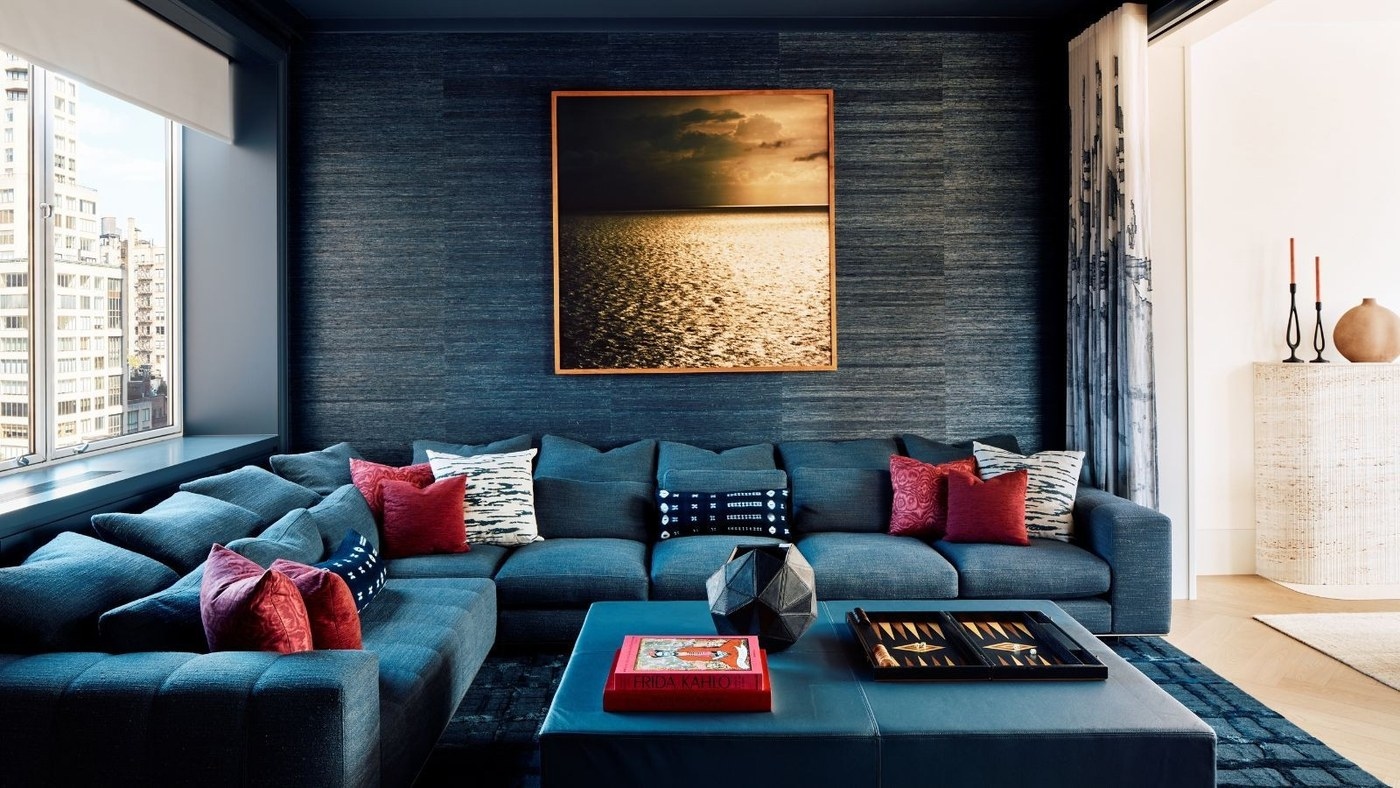
Blend Relaxed California Style with a Traditional City Apartment
Warm timber, a soft base palette, and richer accents connect two different design influences.

Vintage Touches Refresh a Modern Farmhouse Foundation
Lauren Conrad's living room uses rattan and curved forms to add individual warmth.
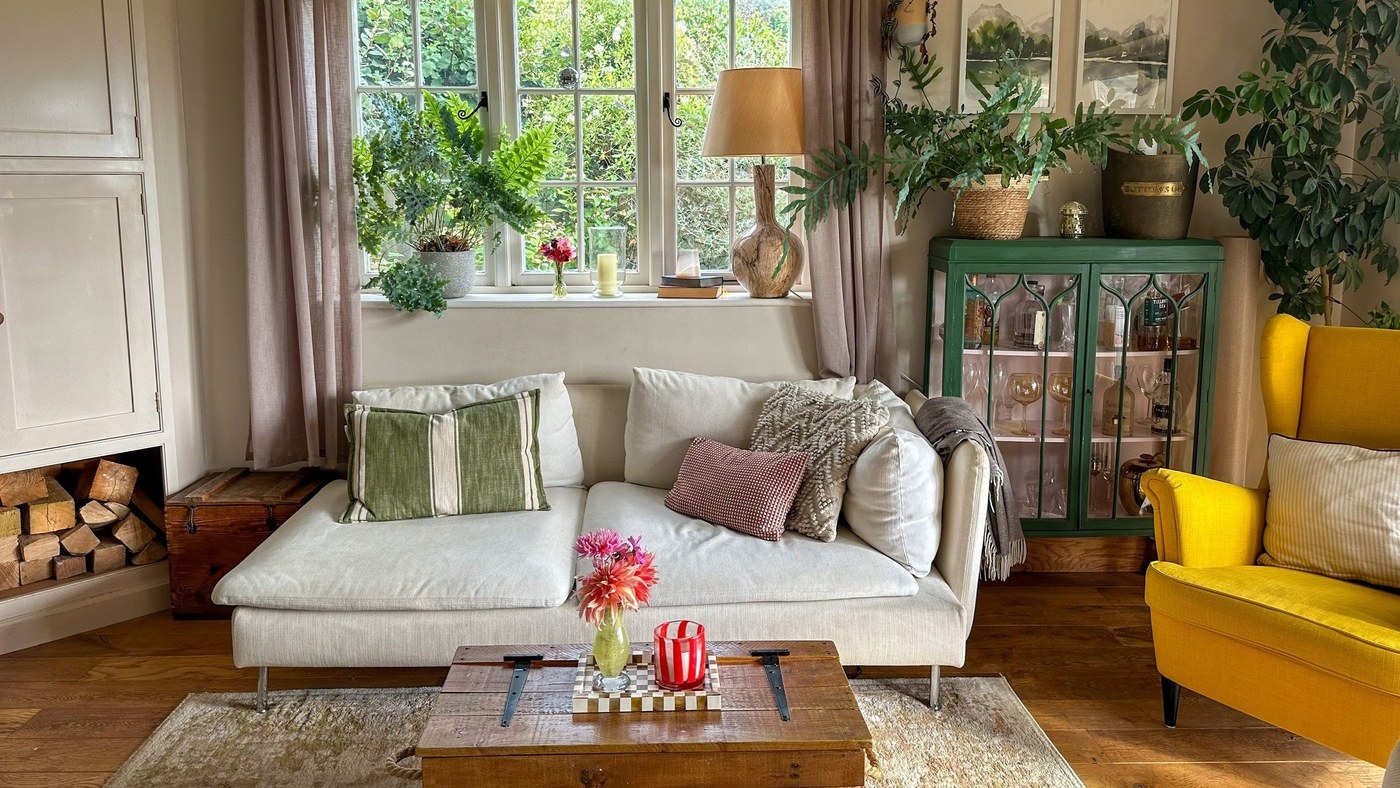
Mix Decorating Styles with Repeated Color Connections
A varied home can feel coherent without buying matching furniture or repeating the same room formula.
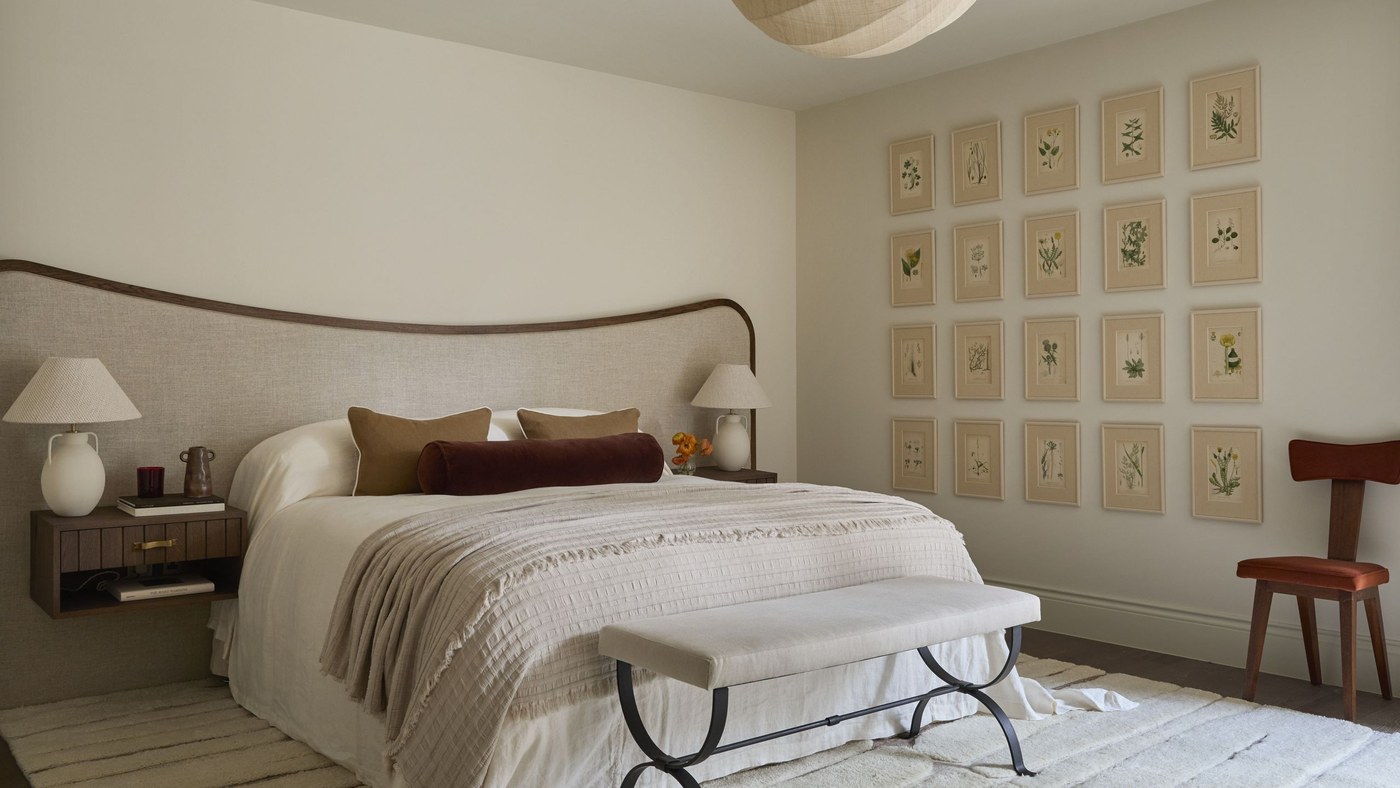
Mid-Century Bedrooms Mix Wood with Clear Lines
Functional furnishings and varied texture support the style's quieter structure.
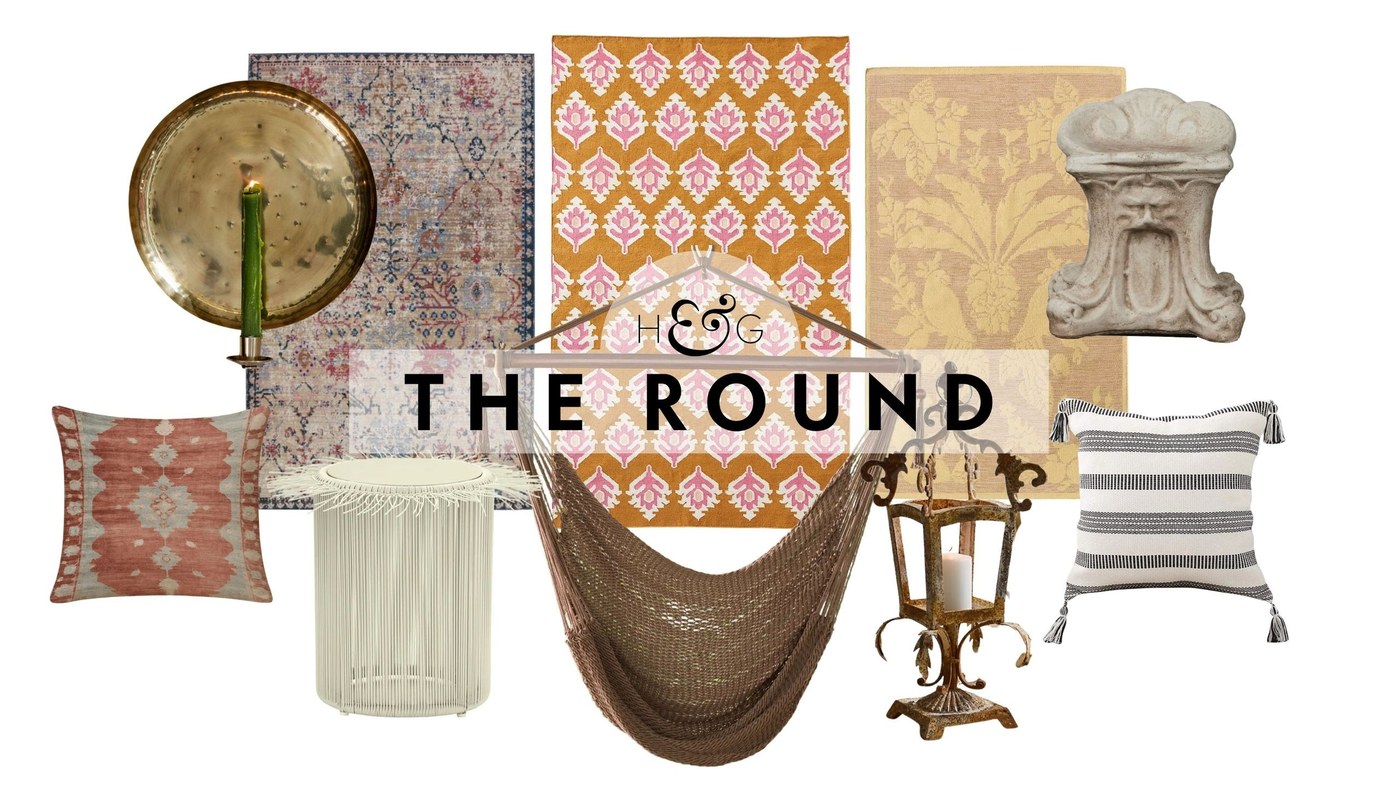
An Outdoor Room with a Bohemian Mix
Natural textures and collected details give patio seating a relaxed identity.
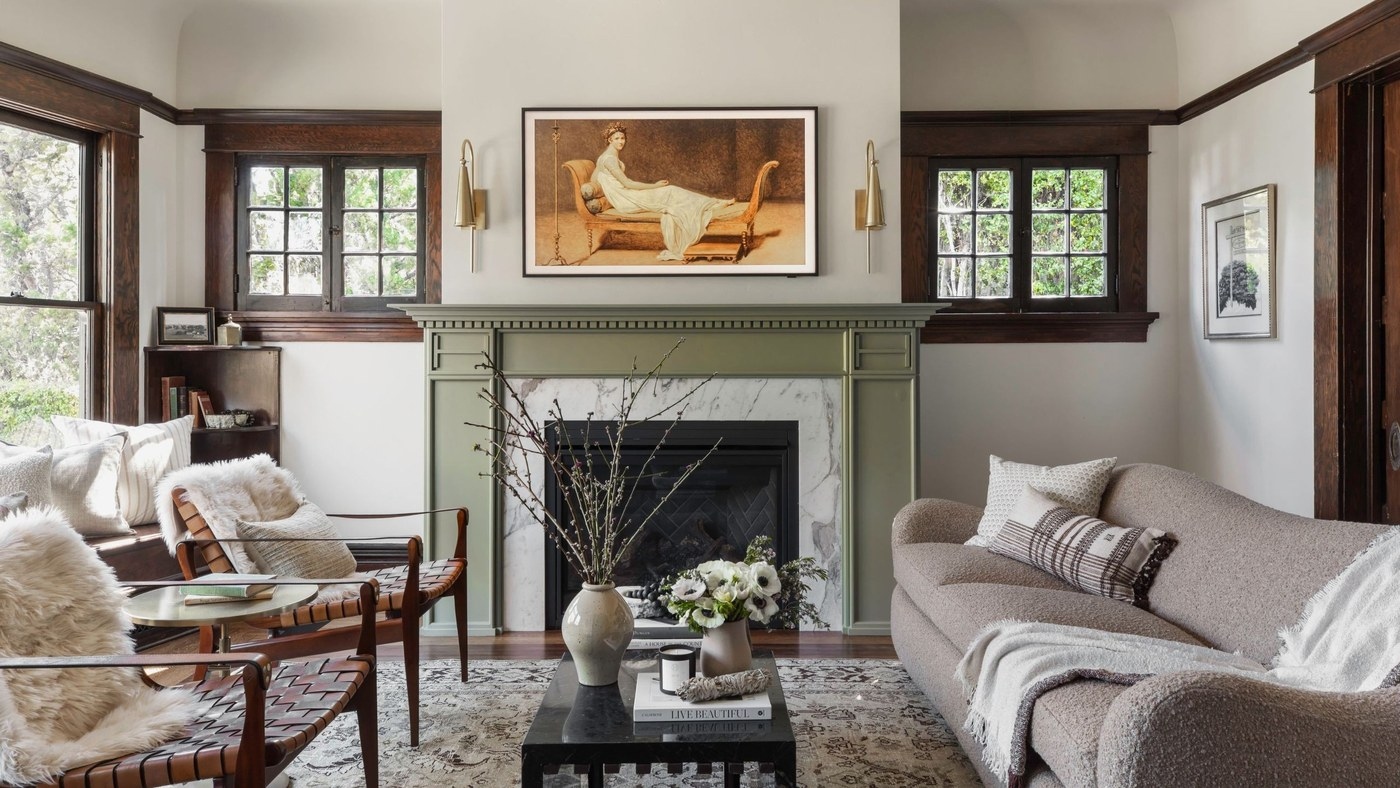
Contemporary Furniture Can Highlight a Historic Home's Character
A Santa Barbara renovation combines restored architectural detail with a more current, welcoming interior.
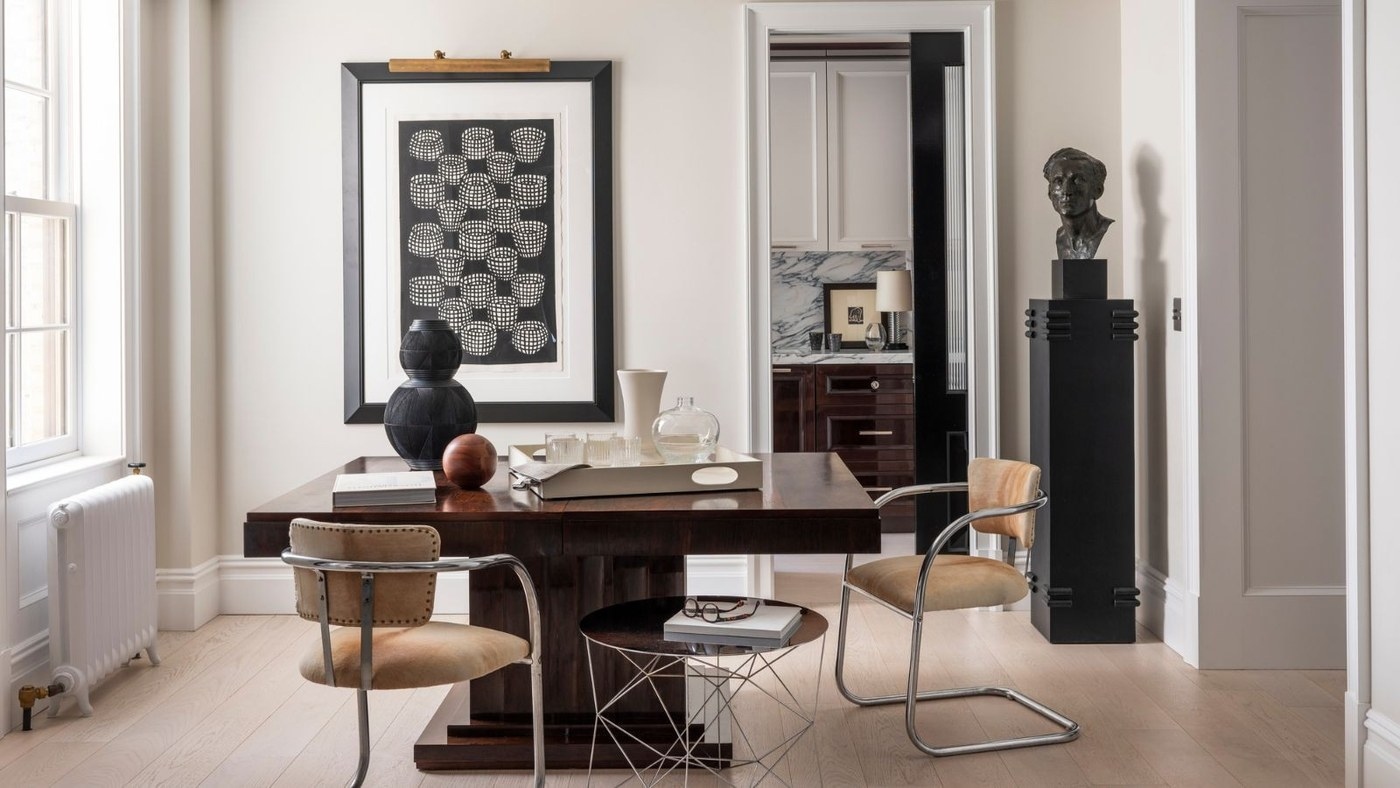
Simplify a Traditional Apartment for Contemporary Living
Original details and vintage furniture can remain while a more open plan changes how the home is used.
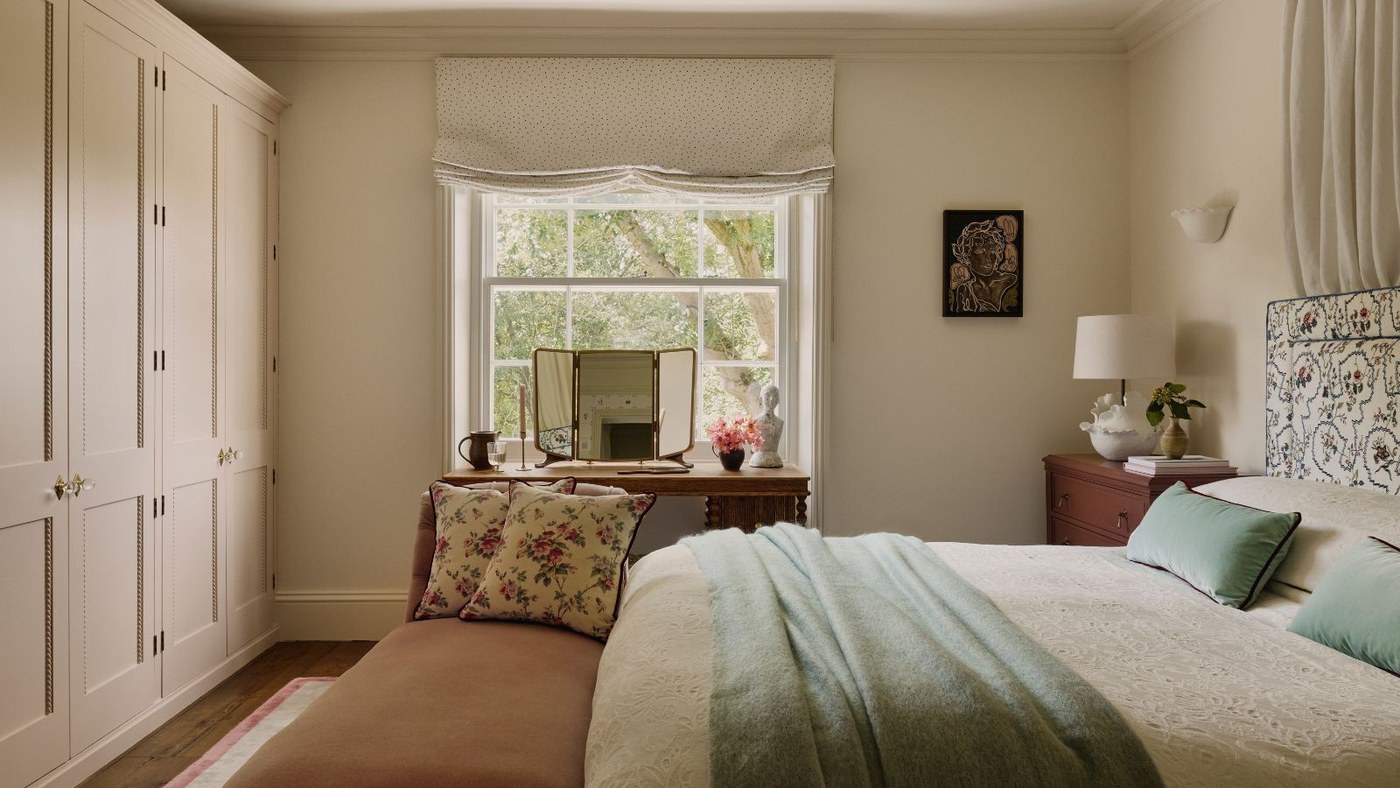
Traditional Style through Furniture and Symmetry
Older forms can provide character within an edited bedroom.
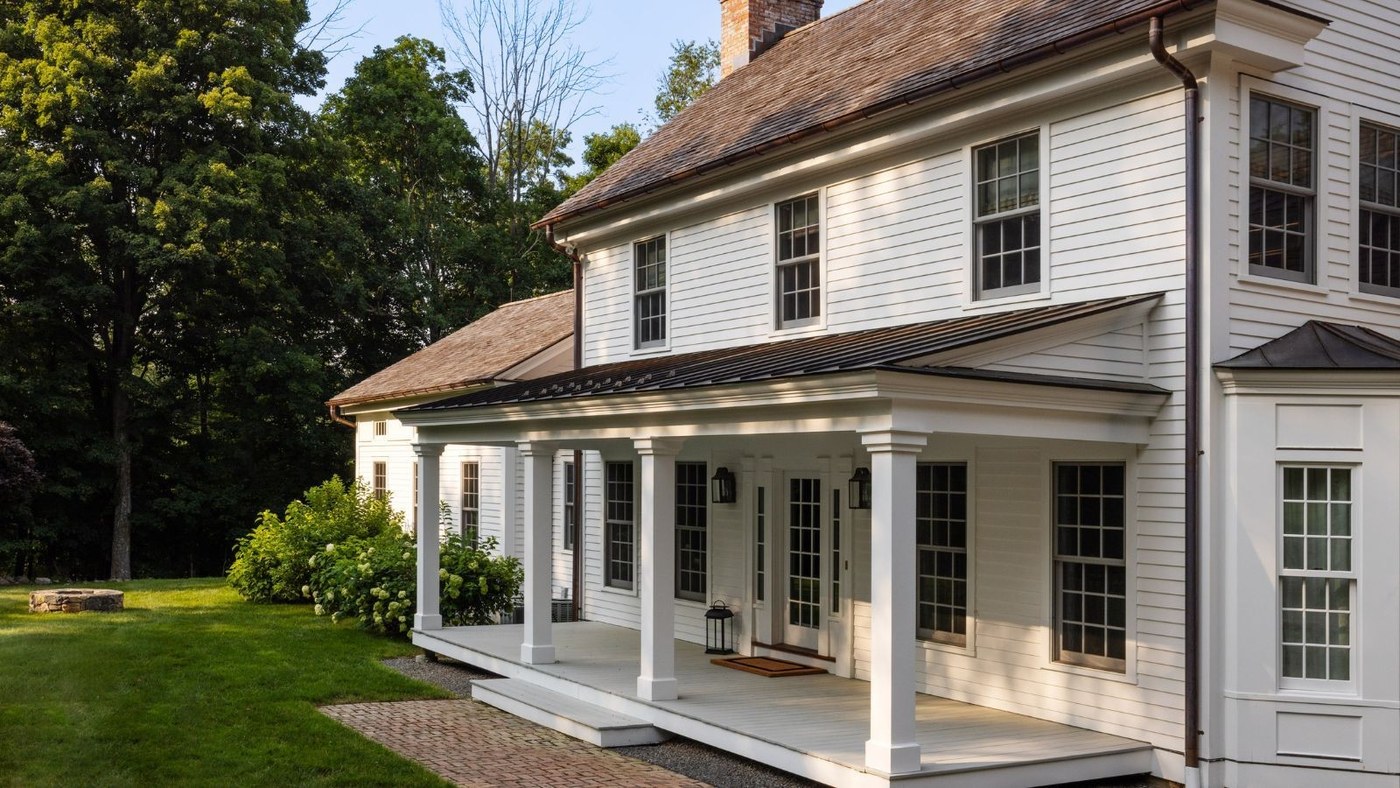
Refine a Traditional Home around Its Existing Craft
Paneling and millwork guide an updated Bedford interior.
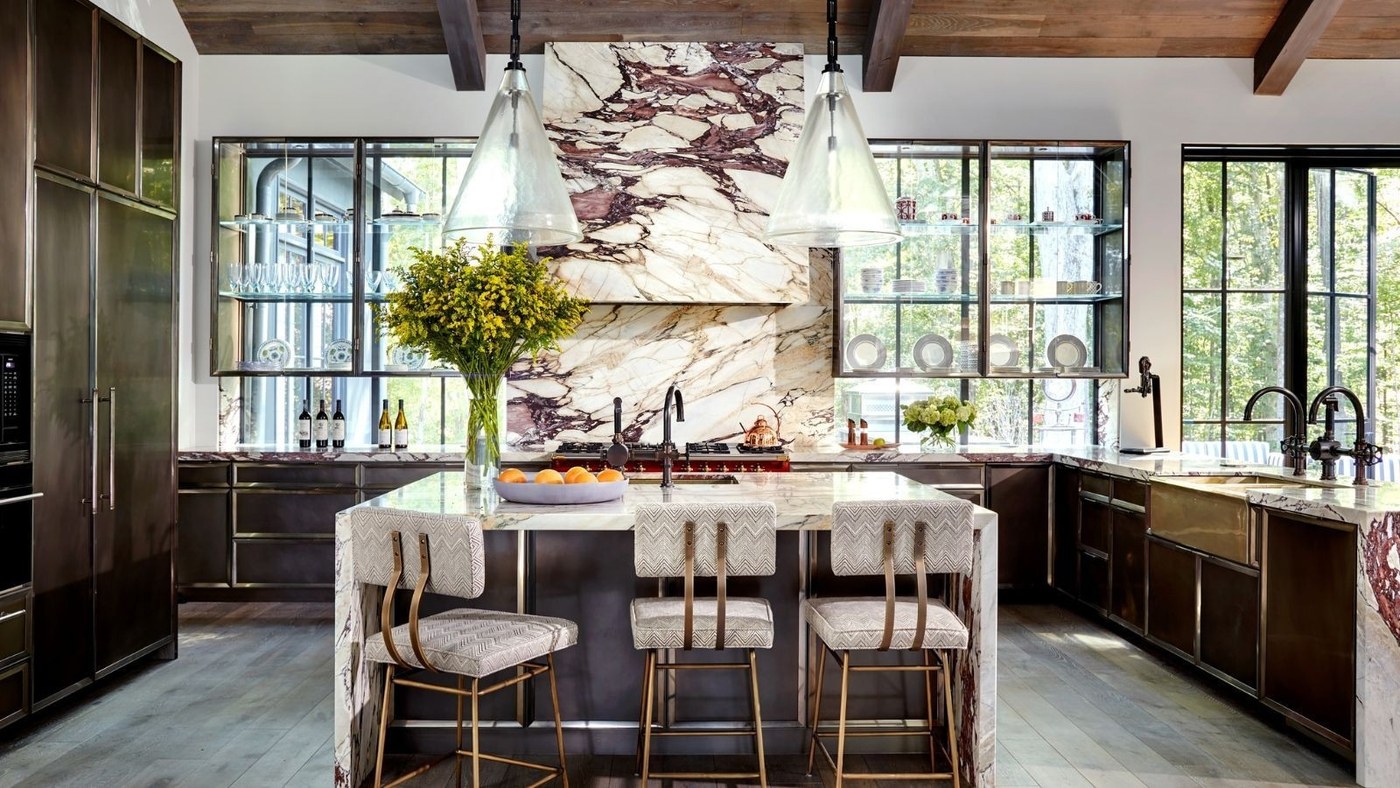
Industrial Detail in a Contemporary Farmhouse
A Tennessee home balances raw texture, metalwork, and generous living spaces.
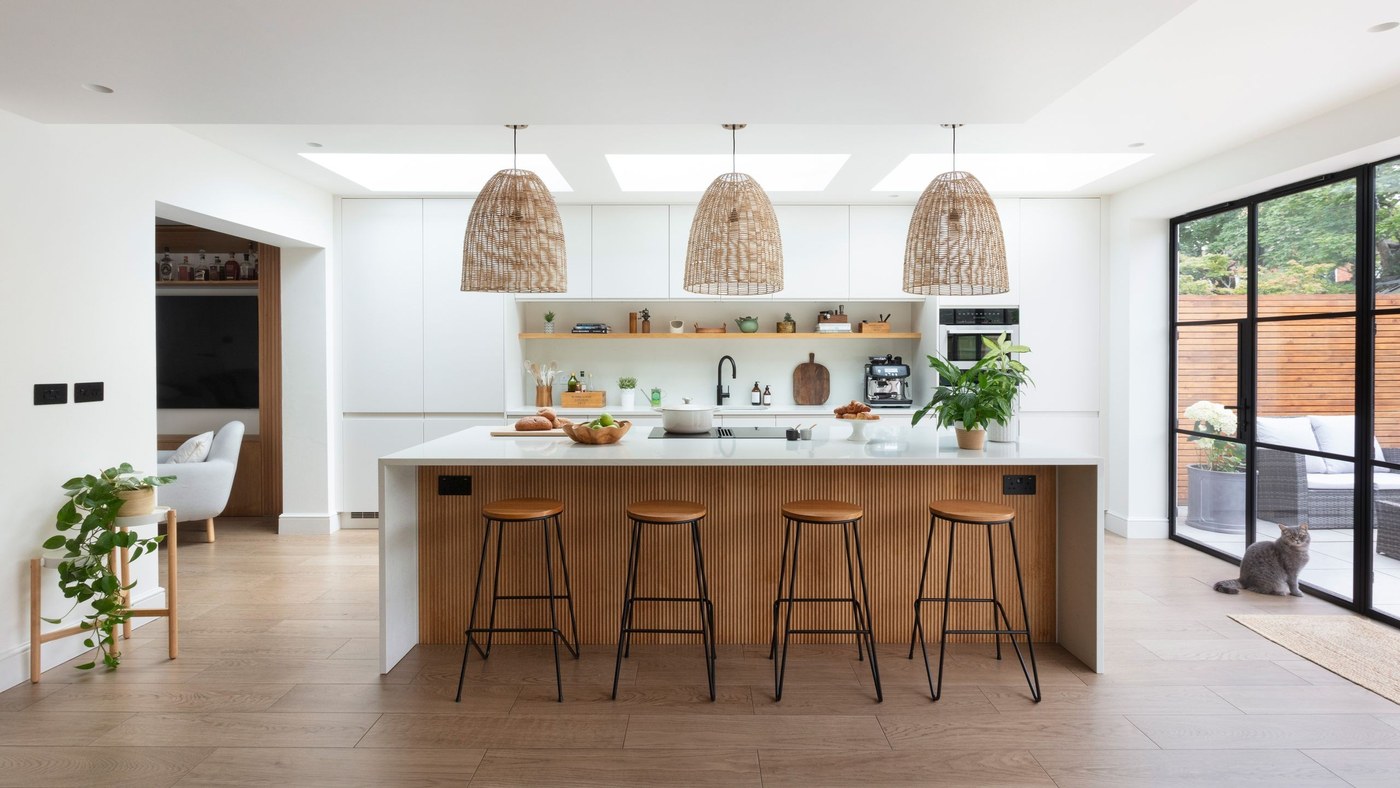
Japandi and Wabi-Sabi Offer Different Kitchen Priorities
Order and quiet cabinetry distinguish one approach; patina and visible character shape the other.
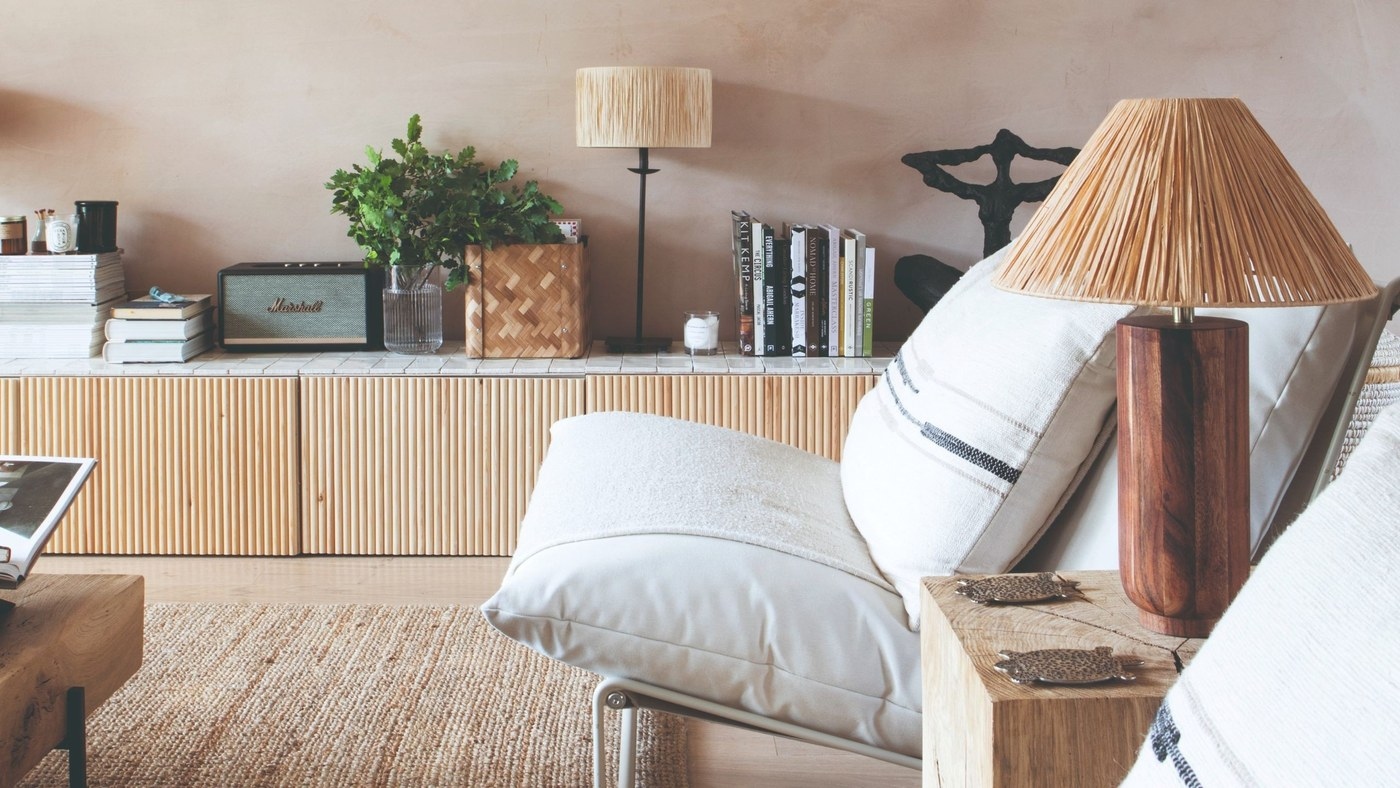
Give Japandi Living Rooms Warmth through Earthy Tones
Soft browns, natural textures, and considered craftsmanship can support a clean, functional interior.
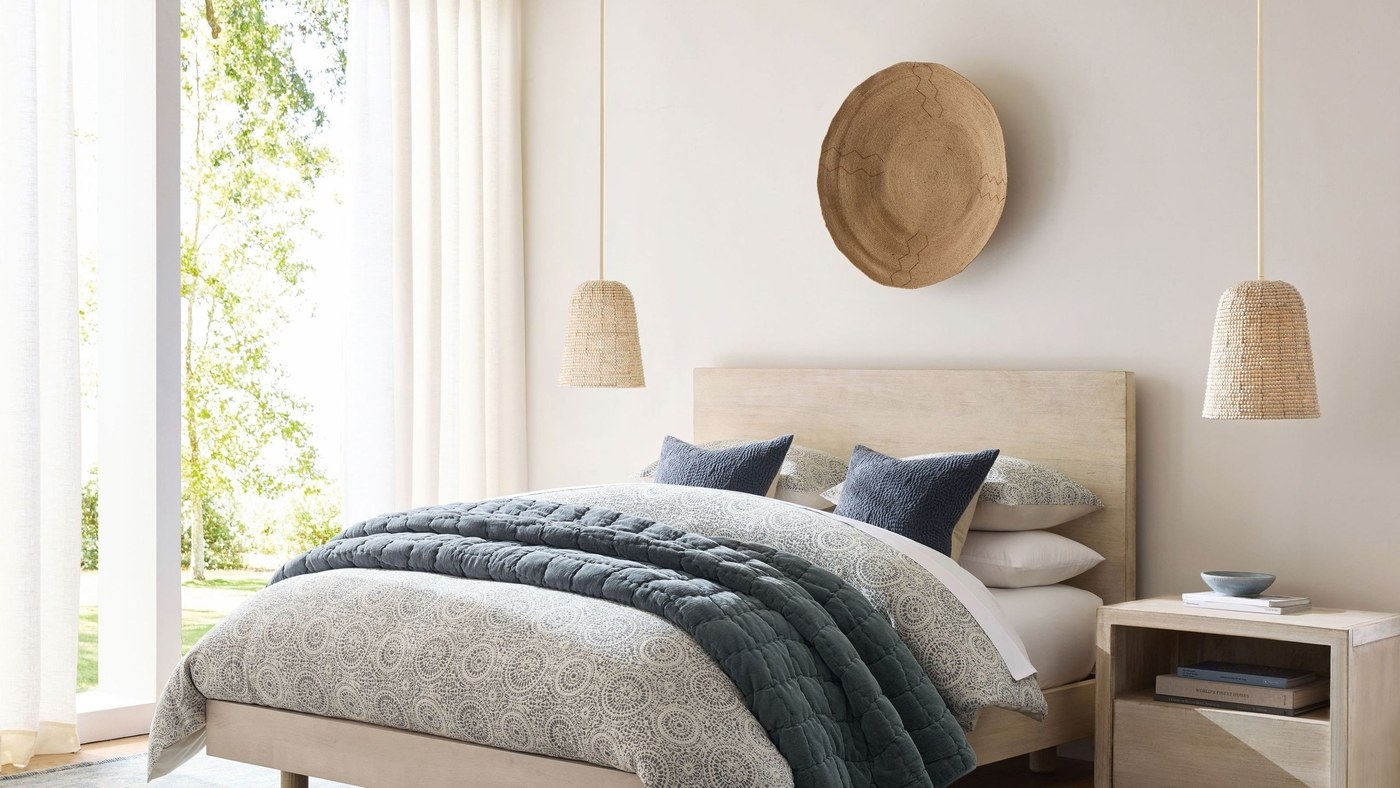
Japandi Bedrooms Balance Natural Materials and Clear Surfaces
Timber, tactile bedding, filtered daylight, and streamlined furniture establish a restrained but comfortable room.
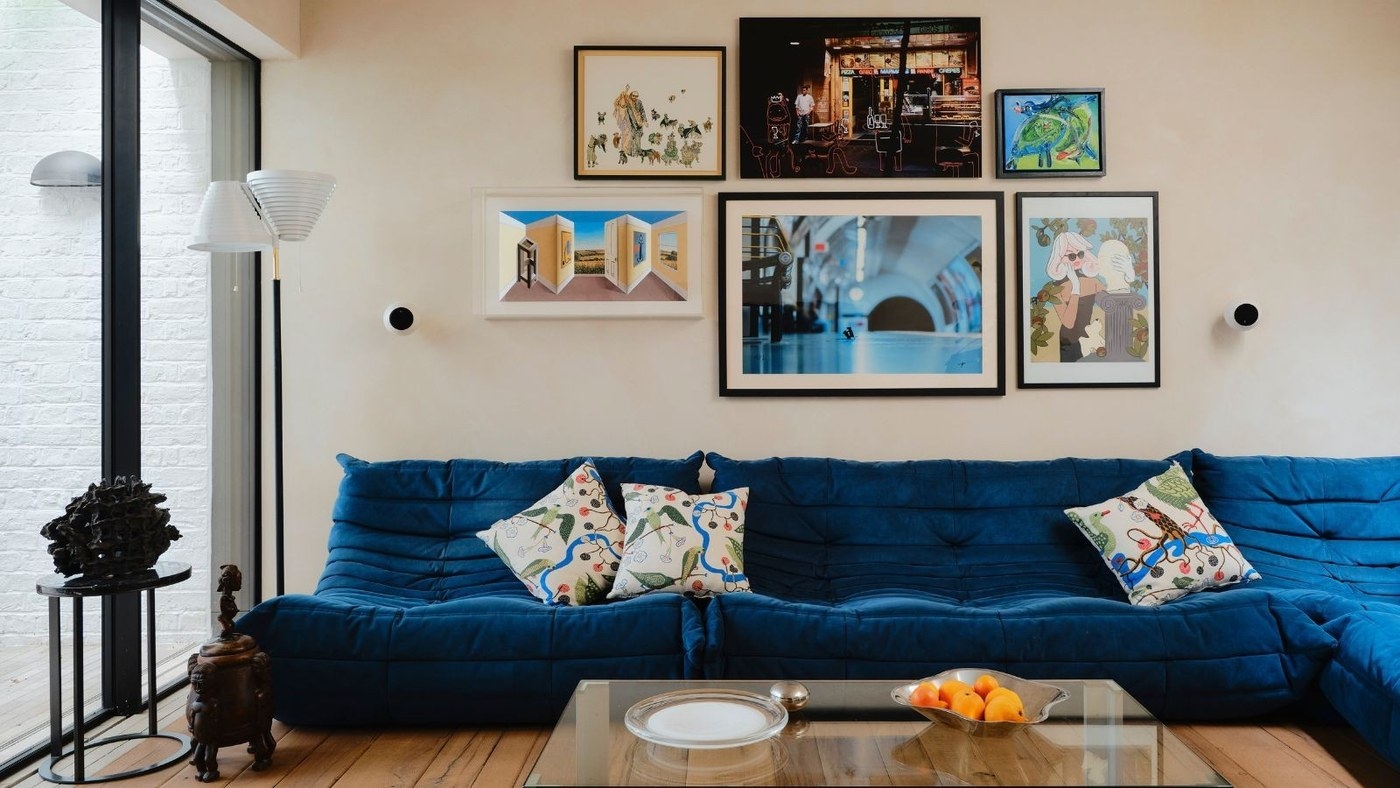
A Historic Townhouse Can Accommodate Japandi Simplicity
Restored period details and a clearer layout can coexist with natural materials and a more restrained interior.
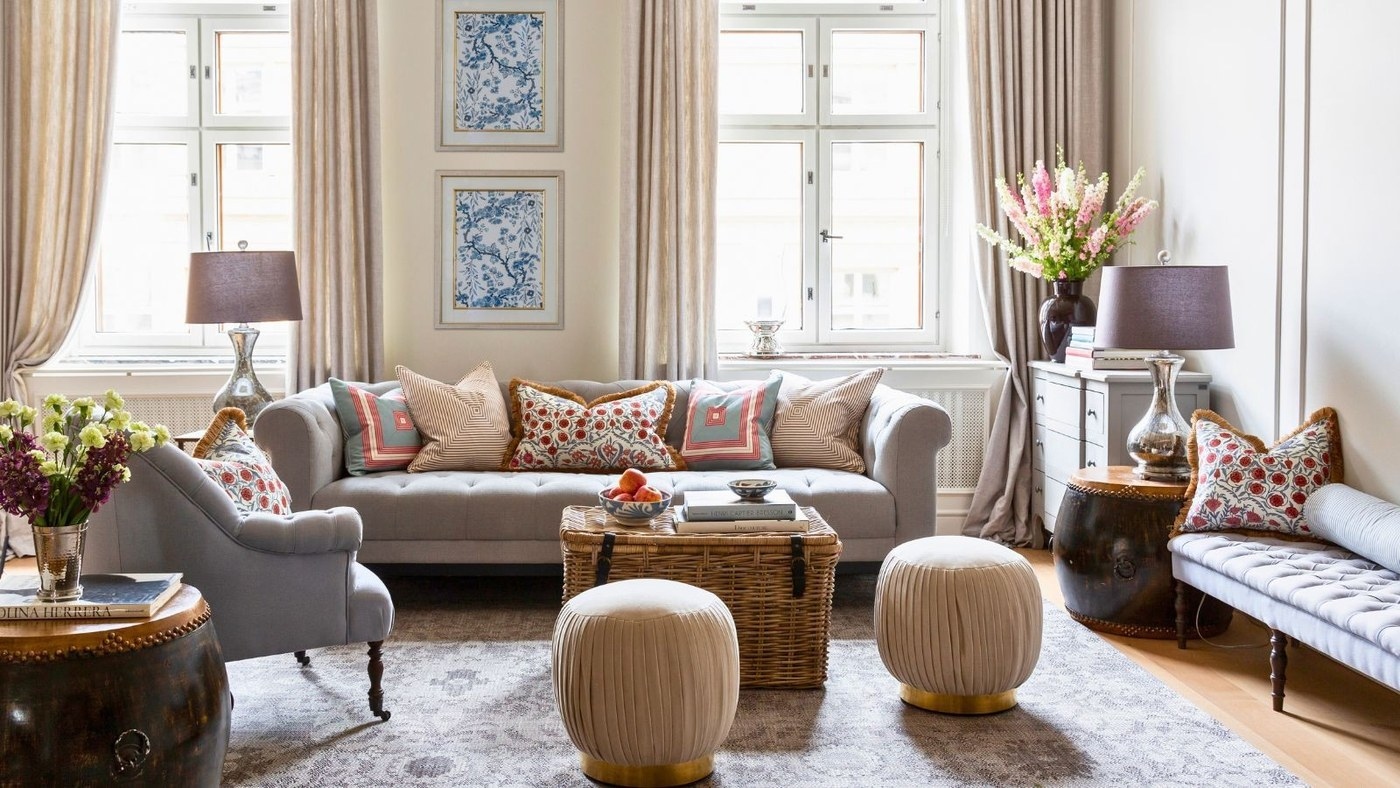
Scandinavian Interiors Include More Than White Minimalism
Nordic homes can draw on colorful folk traditions as well as practical furniture and natural materials.

Mix Rustic and Polished Finishes in a Contemporary Kitchen
Amber Lewis's home shows how marble, warm wood, and older references can create a layered, useful space.
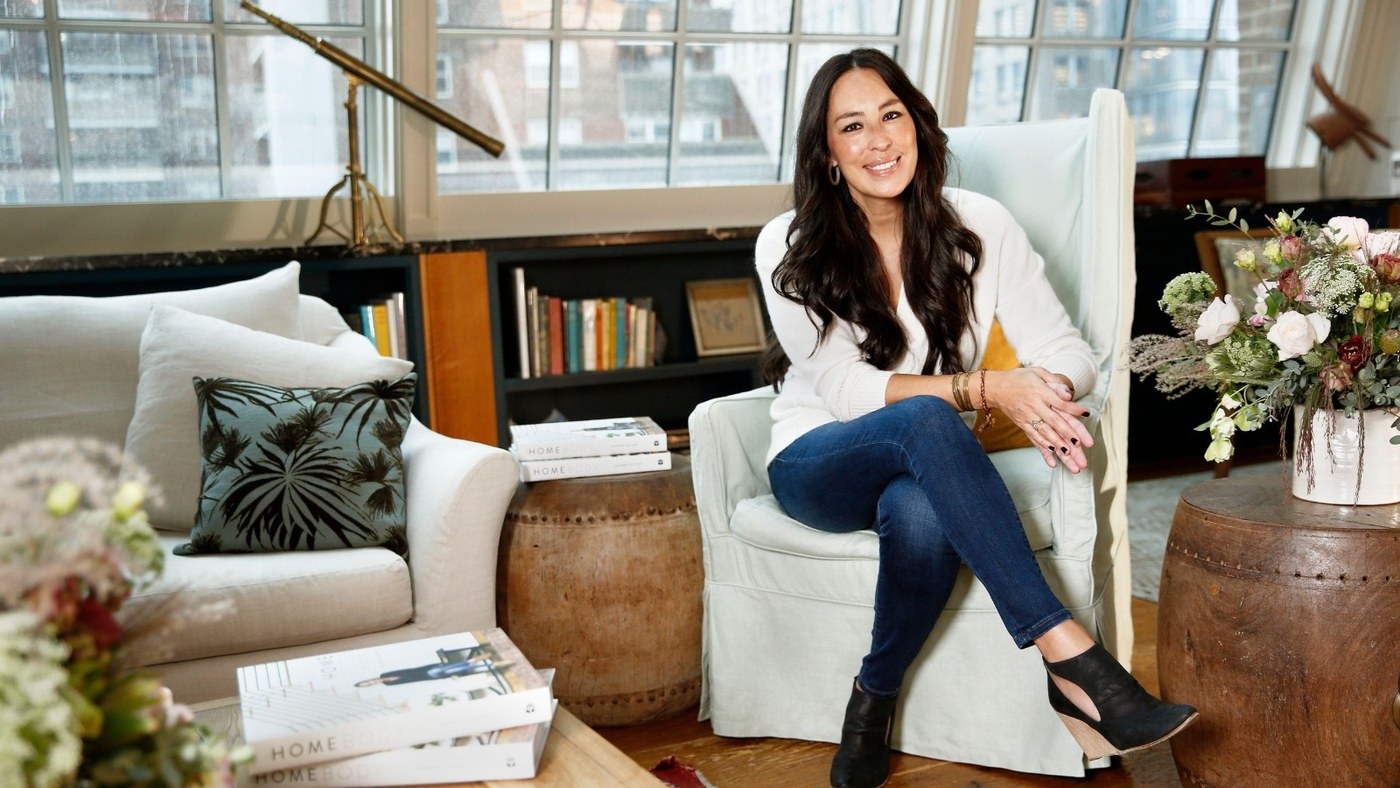
Traditional Lighting Can Belong in a Modern Rustic Home
Candelabra and lantern forms give contemporary farmhouse rooms a connection to older interiors.

A Dark Green Alternative to Pale Modern Farmhouse Rooms
Joanna Gaines's rose shed combines wood, paneling, and deeper color for a more dramatic rustic interior.

Bring Modern Rustic Warmth into an Entryway
Tonal neutrals and nature-inspired materials can suggest a cabin atmosphere without rebuilding the room.

