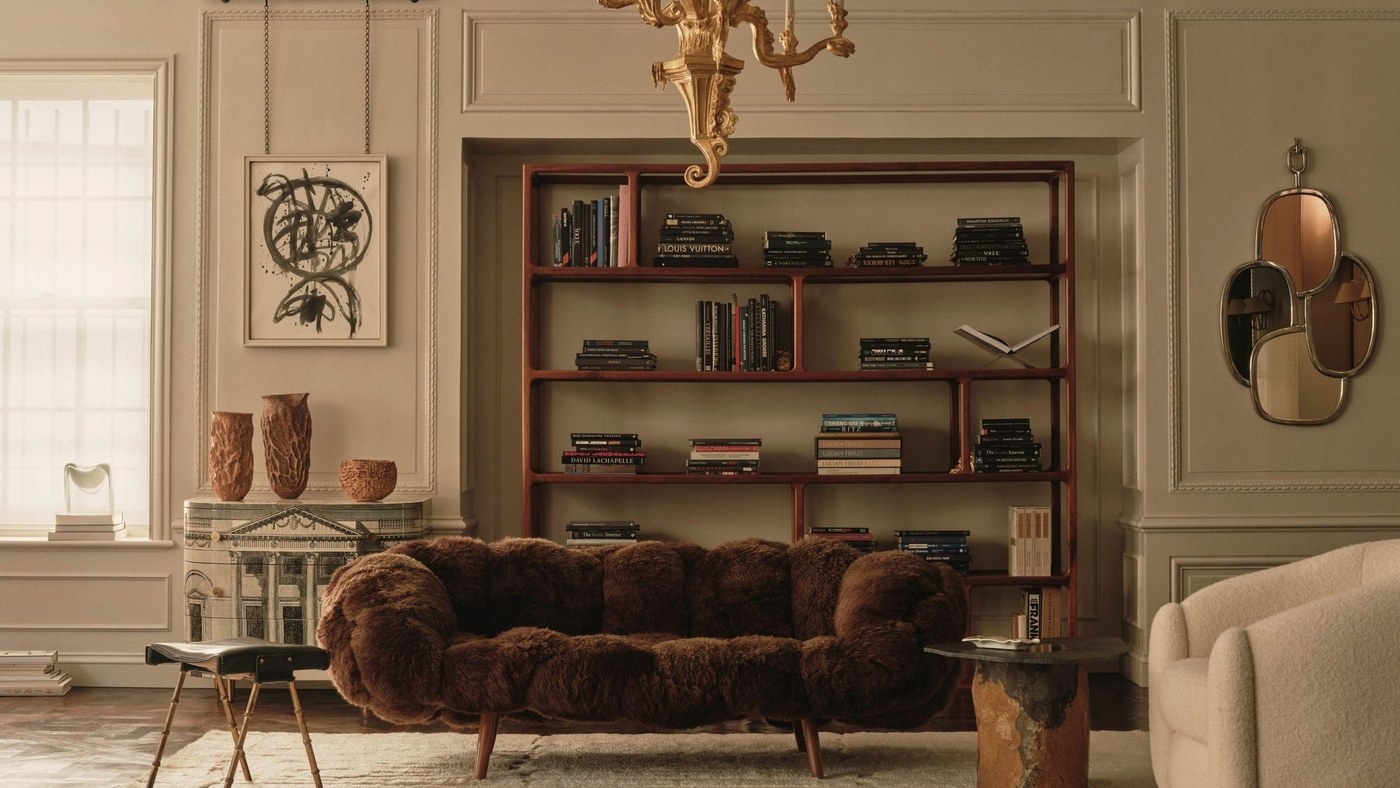
Let Texture Give a Quiet Interior More Depth
Consider the surfaces beyond their colors
The source describes texture as the quality that makes a room feel tactile and dimensional. Wood grain, mohair, stone, and linen all contribute differently even within a narrow palette. This helps explain why a neutral interior can feel flat despite carefully coordinated colors. The materials need a relationship of their own, with enough variation for the furniture and finishes to remain distinct.
Pair reflective surfaces with more tactile ones
A polished or lacquered piece becomes more noticeable beside handwoven wool, textured plaster, or honed stone. The contrast in sheen creates interest without requiring another strong accent color. Similar thinking can guide the smaller details already in the room, from a wooden cabinet to a rumpled linen textile. Choose the combinations intentionally so that softness, grain, and reflectivity work together, giving the space character through the way its surfaces respond to light and touch.
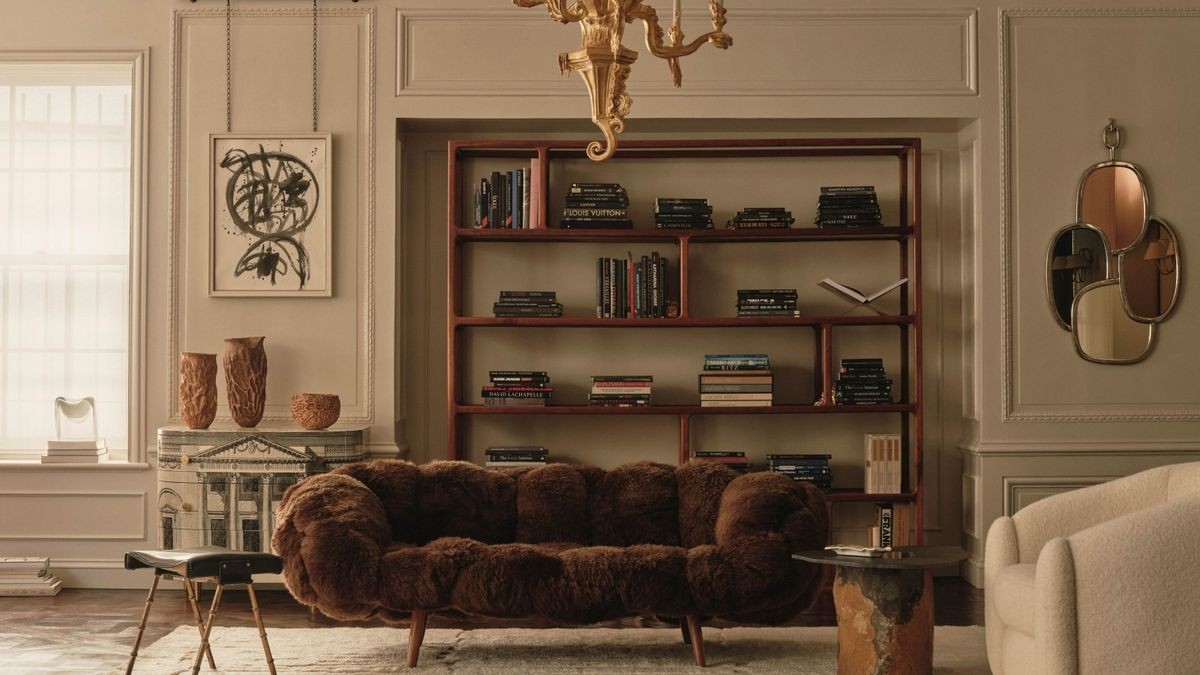
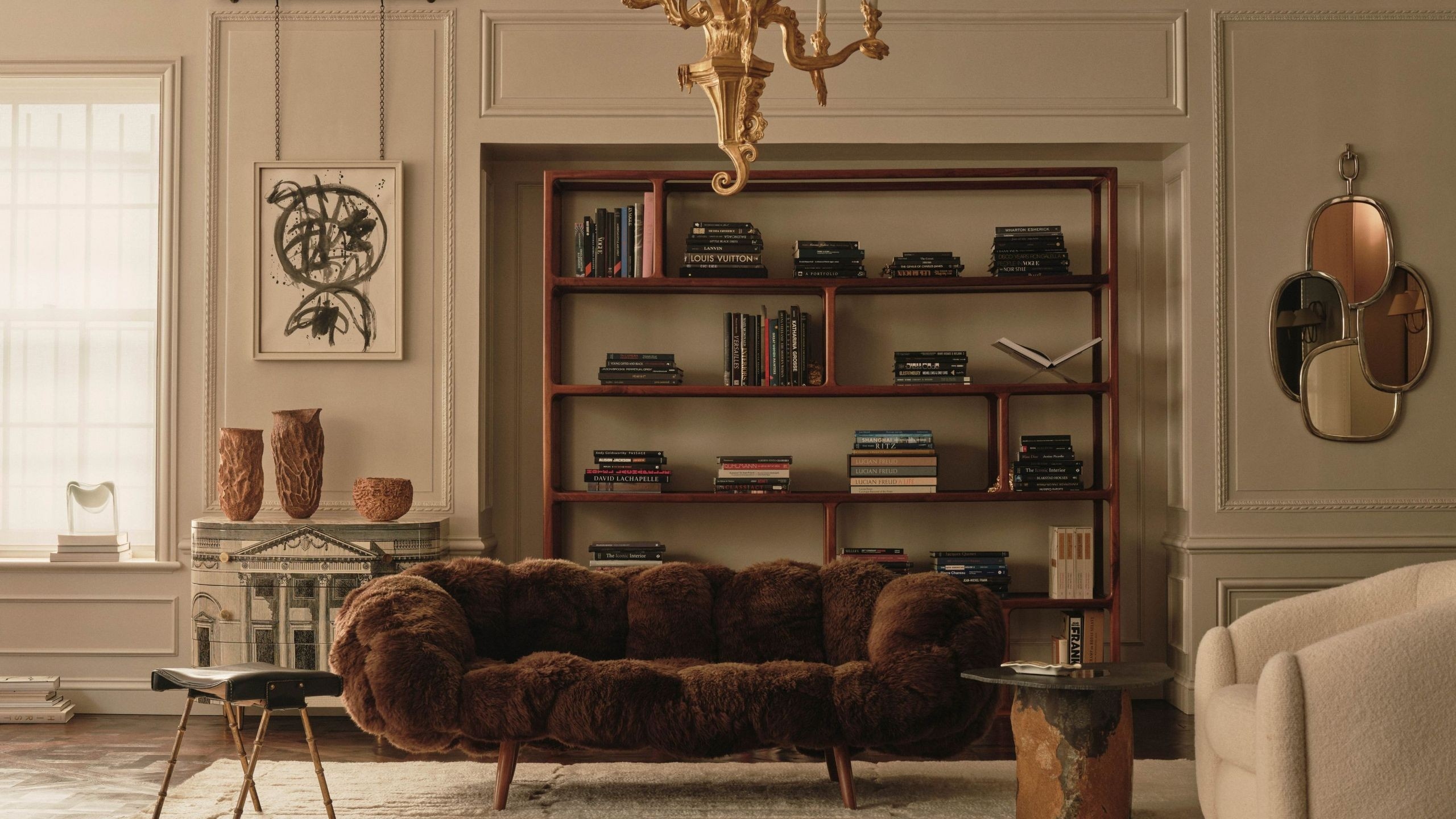
Differences in sheen, grain, and softness can make a restrained palette feel richer.


Leave a Comment
Comments (0)