Limit the Wood Palette Before Mixing Kitchen Finishes
Reduce the number of competing decisions
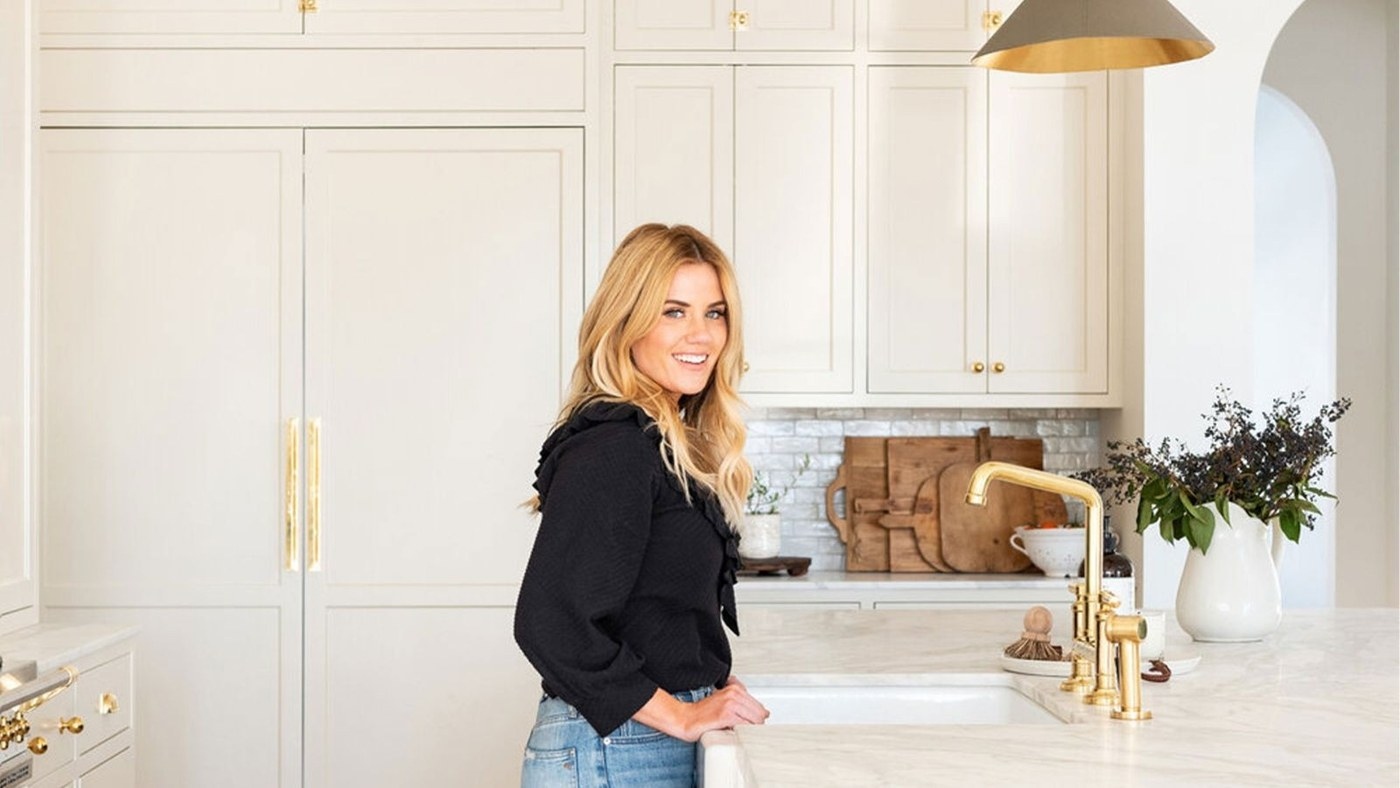
Shea McGee's method in the reference suggests using no more than two wood tones as an approachable starting point for a balanced kitchen. This is presented as a design guideline rather than an absolute rule for every home. The smaller palette makes it easier to see the relationship among cabinets, an island, bar stools, and wooden accessories before additional finishes complicate the scheme.
Choose cohesion or contrast deliberately
The source distinguishes a streamlined mixture from a more contrasting approach. Similar light woods can work with a pale neutral background, giving the whole kitchen an airy character. A darker accessory or second finish can instead create a clearer point of difference. The useful lesson is to make that decision intentionally: evaluate the major wooden surfaces and smaller objects together so that their differences support the room rather than appearing as accidental near matches.
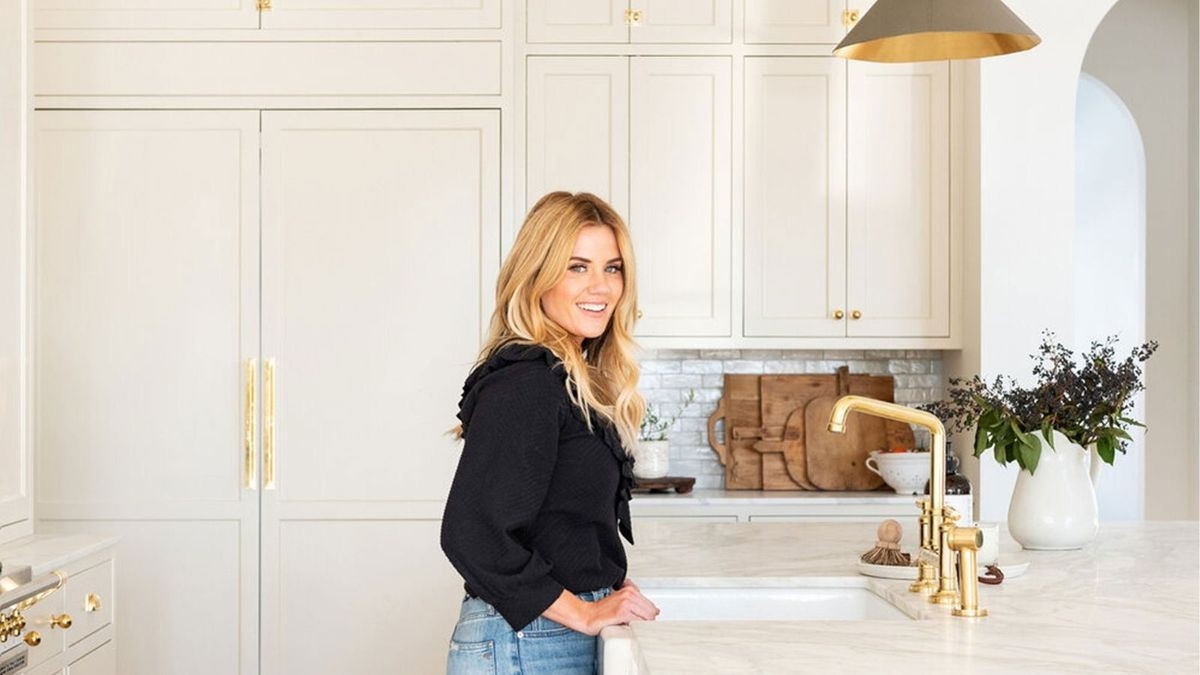
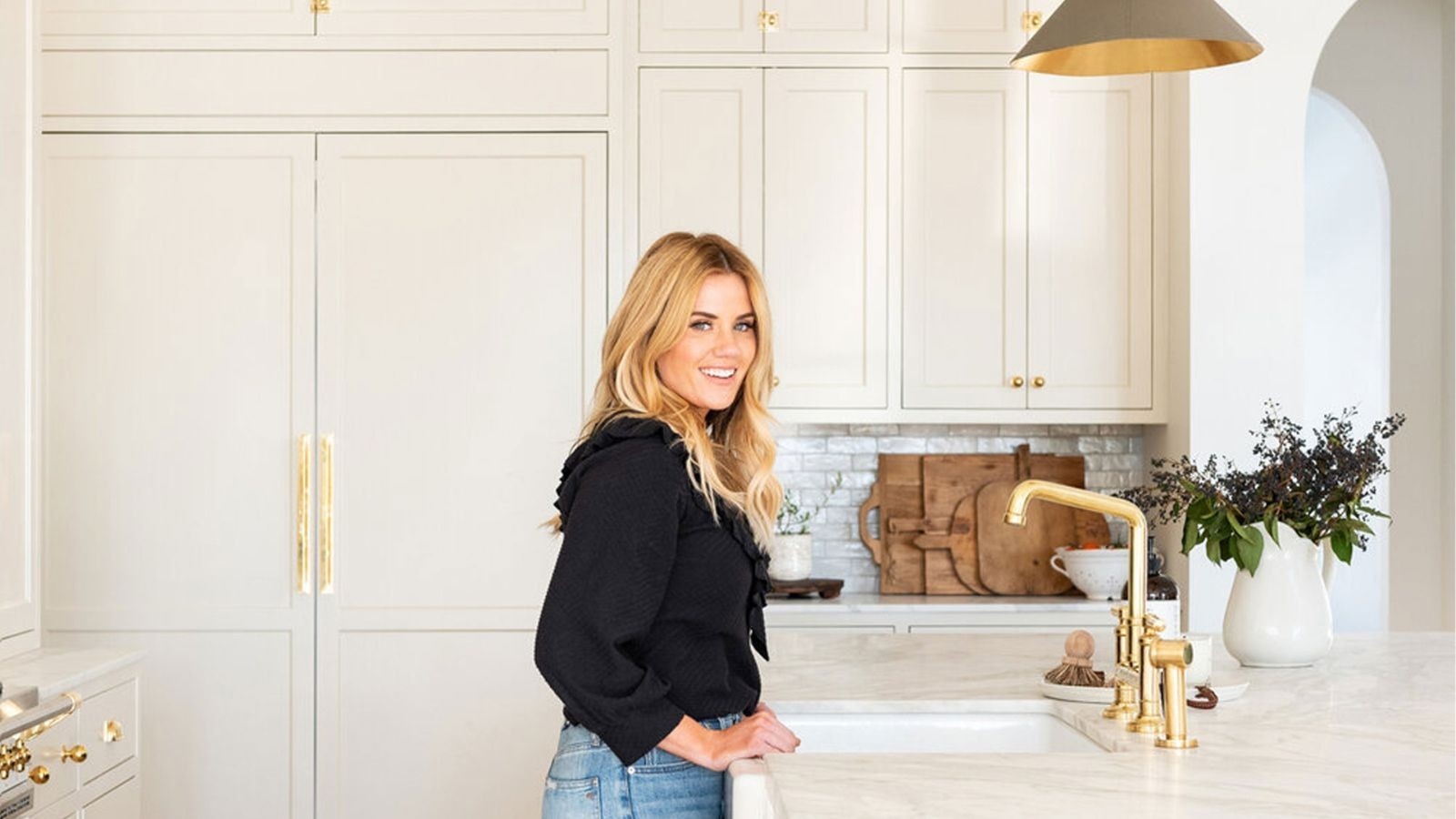
Two considered timber tones can provide either a close relationship or a deliberate contrast.


Leave a Comment
Comments (0)