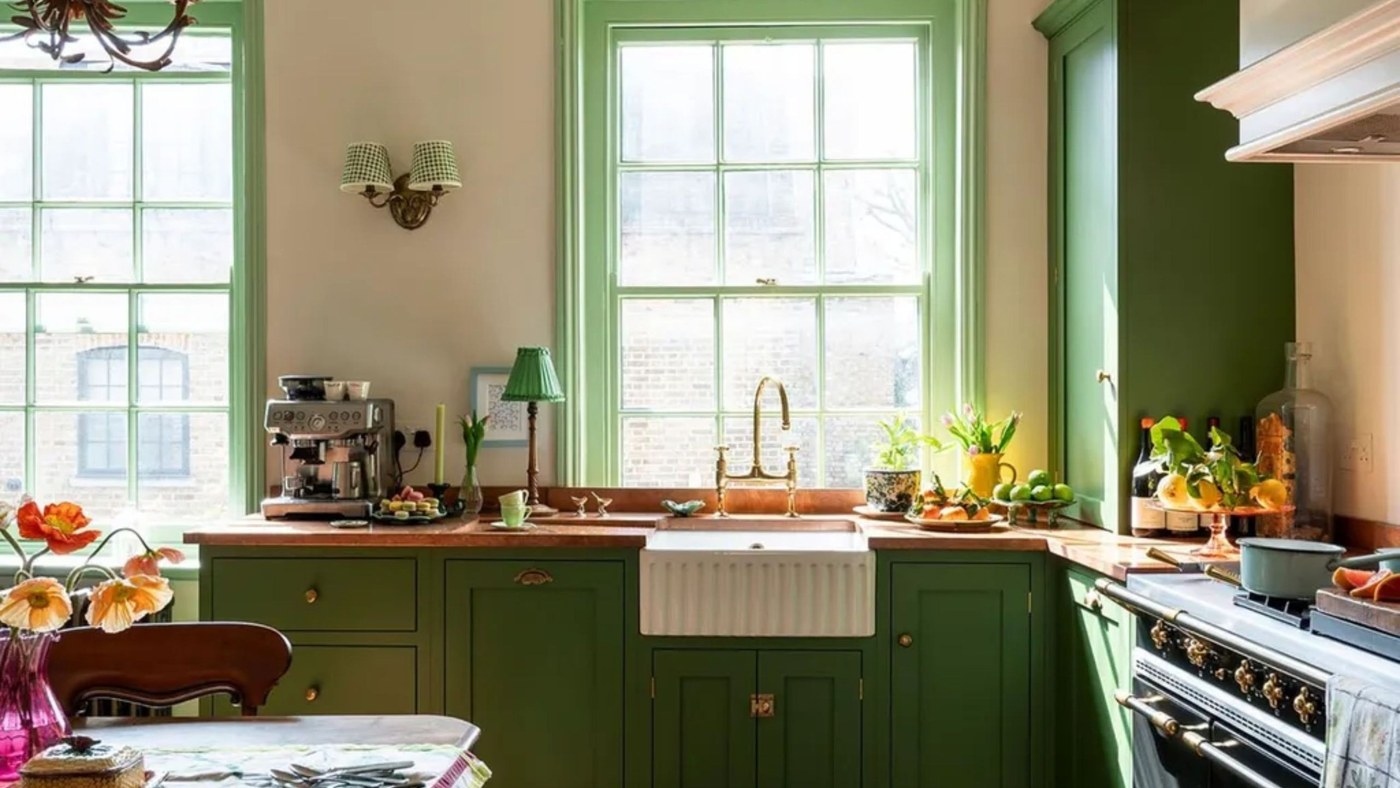
Wood Undertones Connect Light and Dark Kitchen Finishes
Check the undertone before trying to match the shade
The designers in the reference focus on the warm, cool, or neutral character of wood rather than seeking identical finishes everywhere. Light and dark timbers can coexist when their undertones belong to a compatible family. This creates a shared thread across the kitchen while allowing individual elements to retain a different depth of color. Exact matching is not the only route to a coherent room.
Judge the whole arrangement of wooden surfaces
A secondary tone can appear in cabinetry, an island, or smaller accents, but it should be assessed alongside the existing scheme. Repeating almost the same shade without understanding its undertone may produce a less convincing result than an intentional difference. Look at how the floor, cabinets, and accessories respond to one another. A considered mix introduces variety and texture, while a common underlying temperature keeps the combination from feeling arbitrary.
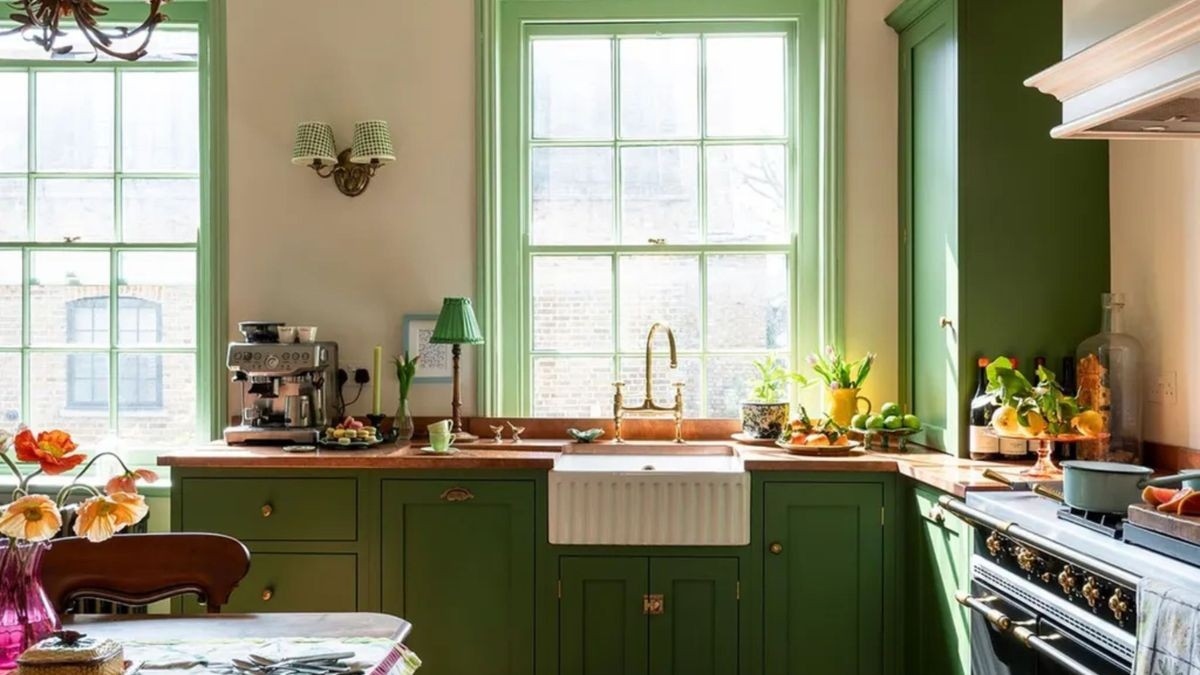
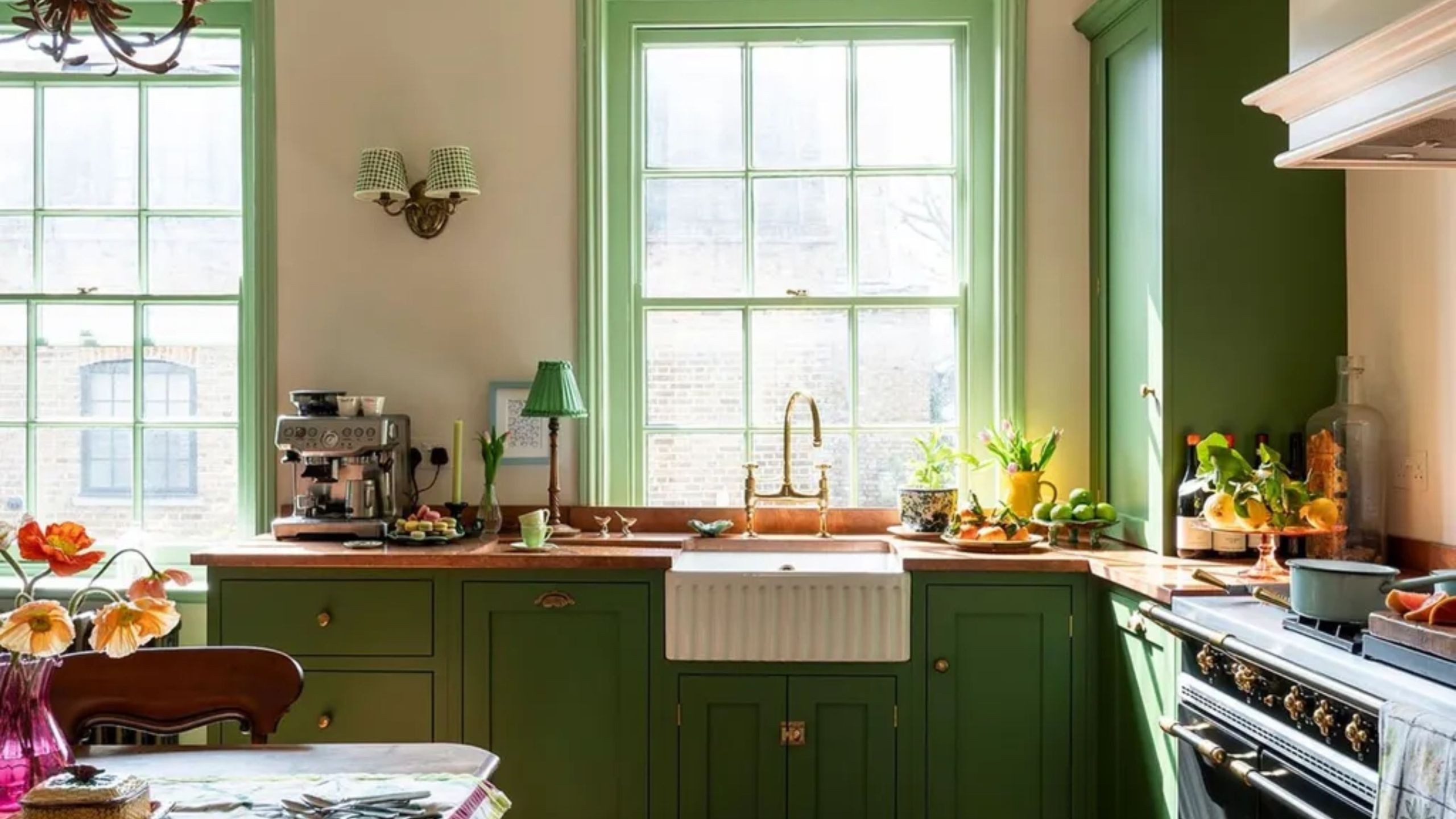
Related underlying colors can keep different timber surfaces from looking like an accidental mismatch.


Leave a Comment
Comments (0)