Category News

A Distressed Mirror Softens a Modern Farmhouse Entryway
An aged surface can bring a collected quality to an otherwise clean, contemporary entrance.

Bring Modern Rustic Warmth into an Entryway
Tonal neutrals and nature-inspired materials can suggest a cabin atmosphere without rebuilding the room.

A Dark Green Alternative to Pale Modern Farmhouse Rooms
Joanna Gaines's rose shed combines wood, paneling, and deeper color for a more dramatic rustic interior.
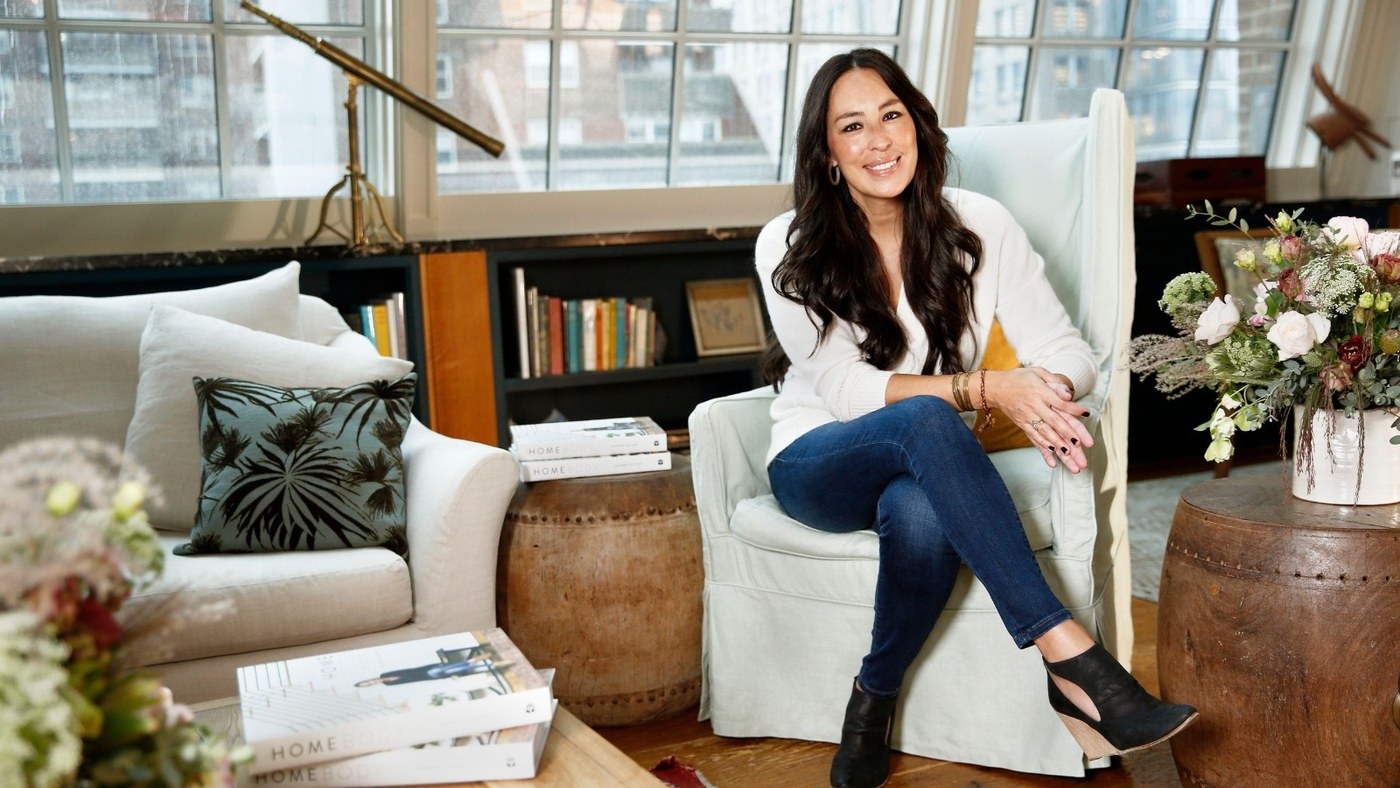
Traditional Lighting Can Belong in a Modern Rustic Home
Candelabra and lantern forms give contemporary farmhouse rooms a connection to older interiors.

Mix Rustic and Polished Finishes in a Contemporary Kitchen
Amber Lewis's home shows how marble, warm wood, and older references can create a layered, useful space.
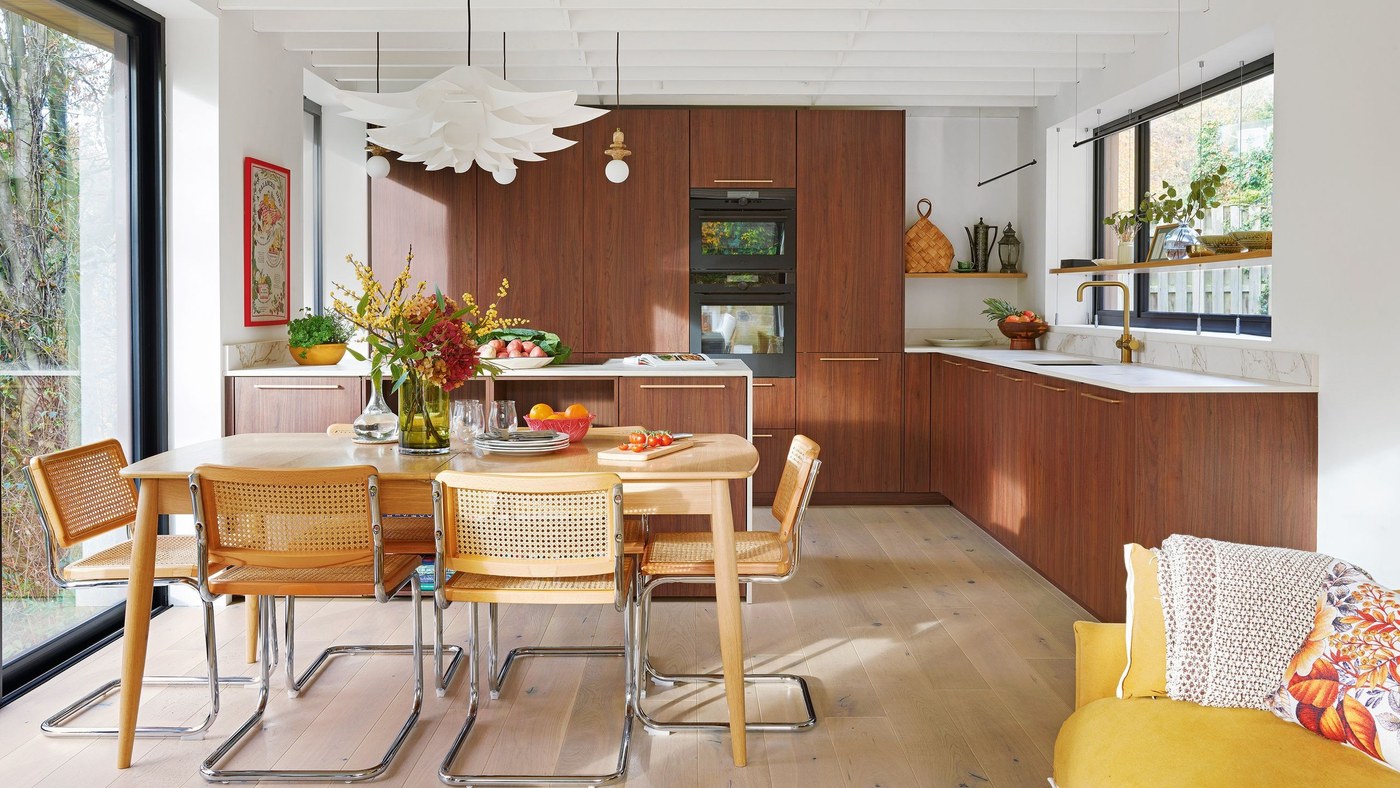
A Family Extension Blends Mid-Century and Japandi Ideas
Wood textures, built-in storage, and vintage pieces connect a 1960s home to its garden.
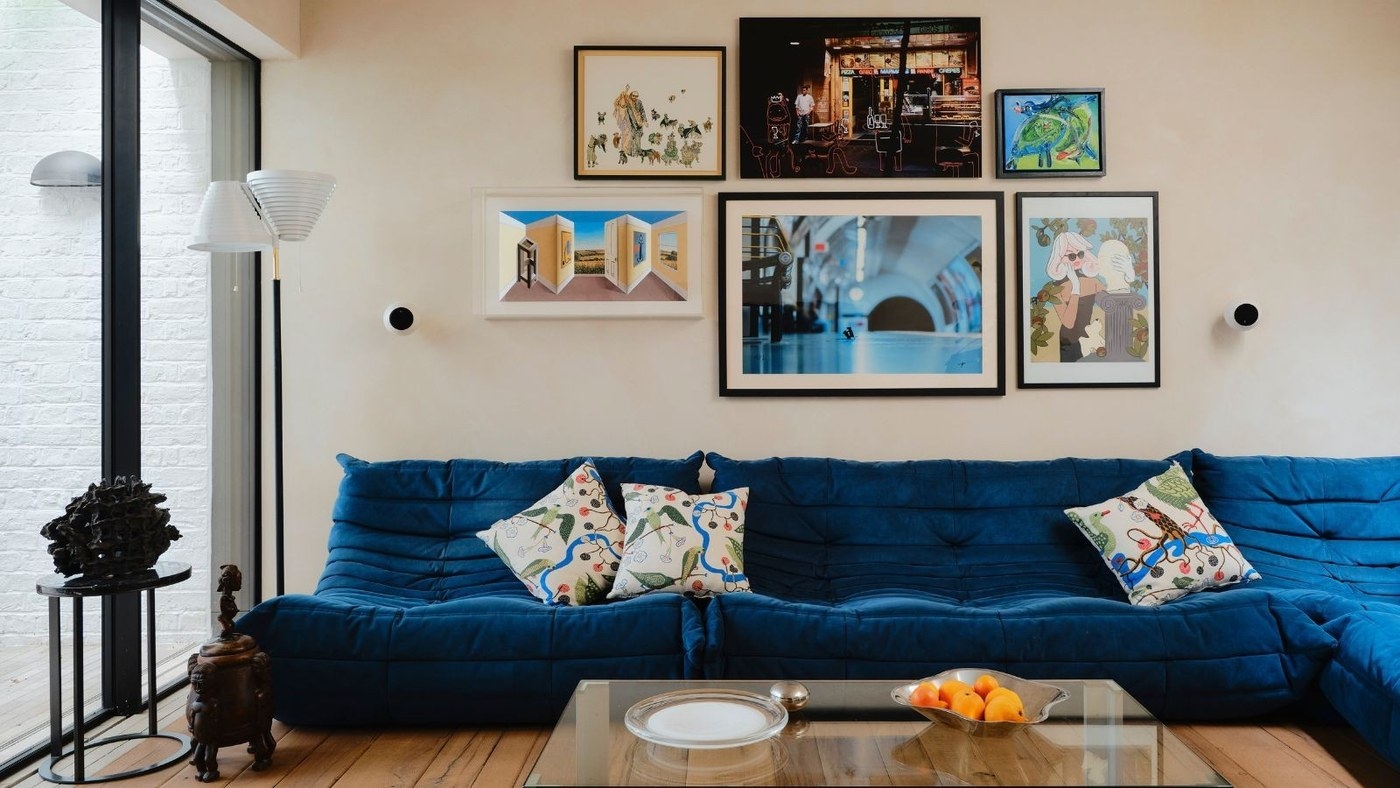
A Historic Townhouse Can Accommodate Japandi Simplicity
Restored period details and a clearer layout can coexist with natural materials and a more restrained interior.
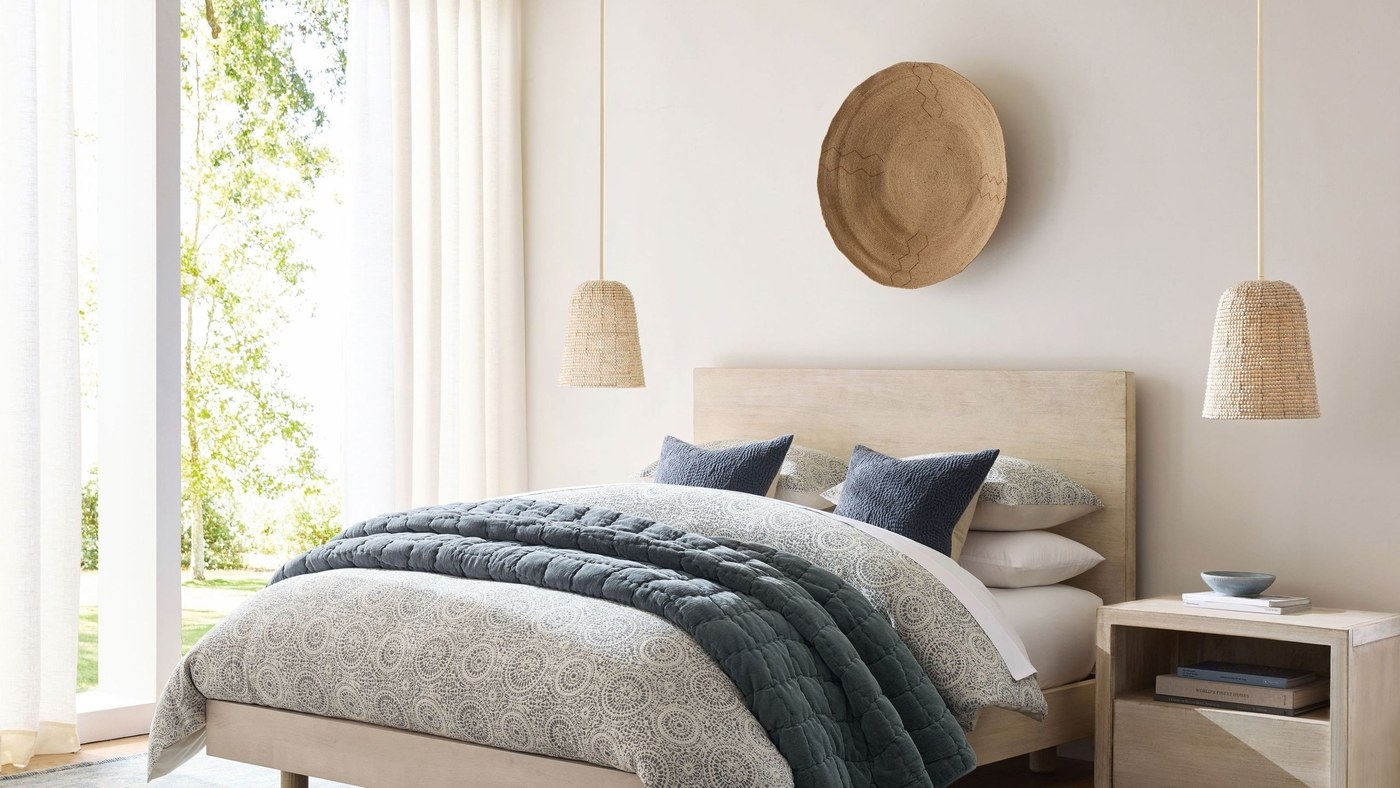
Japandi Bedrooms Balance Natural Materials and Clear Surfaces
Timber, tactile bedding, filtered daylight, and streamlined furniture establish a restrained but comfortable room.
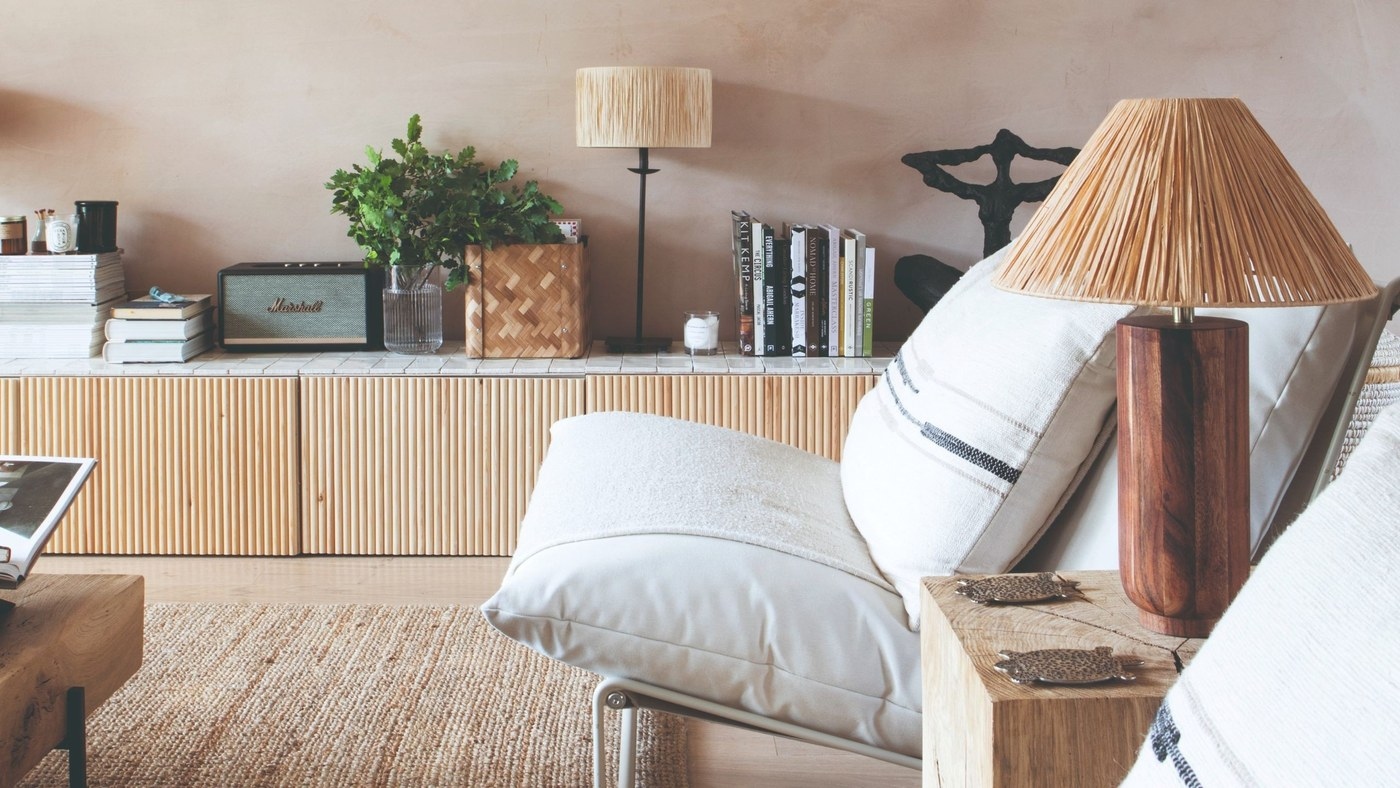
Give Japandi Living Rooms Warmth through Earthy Tones
Soft browns, natural textures, and considered craftsmanship can support a clean, functional interior.
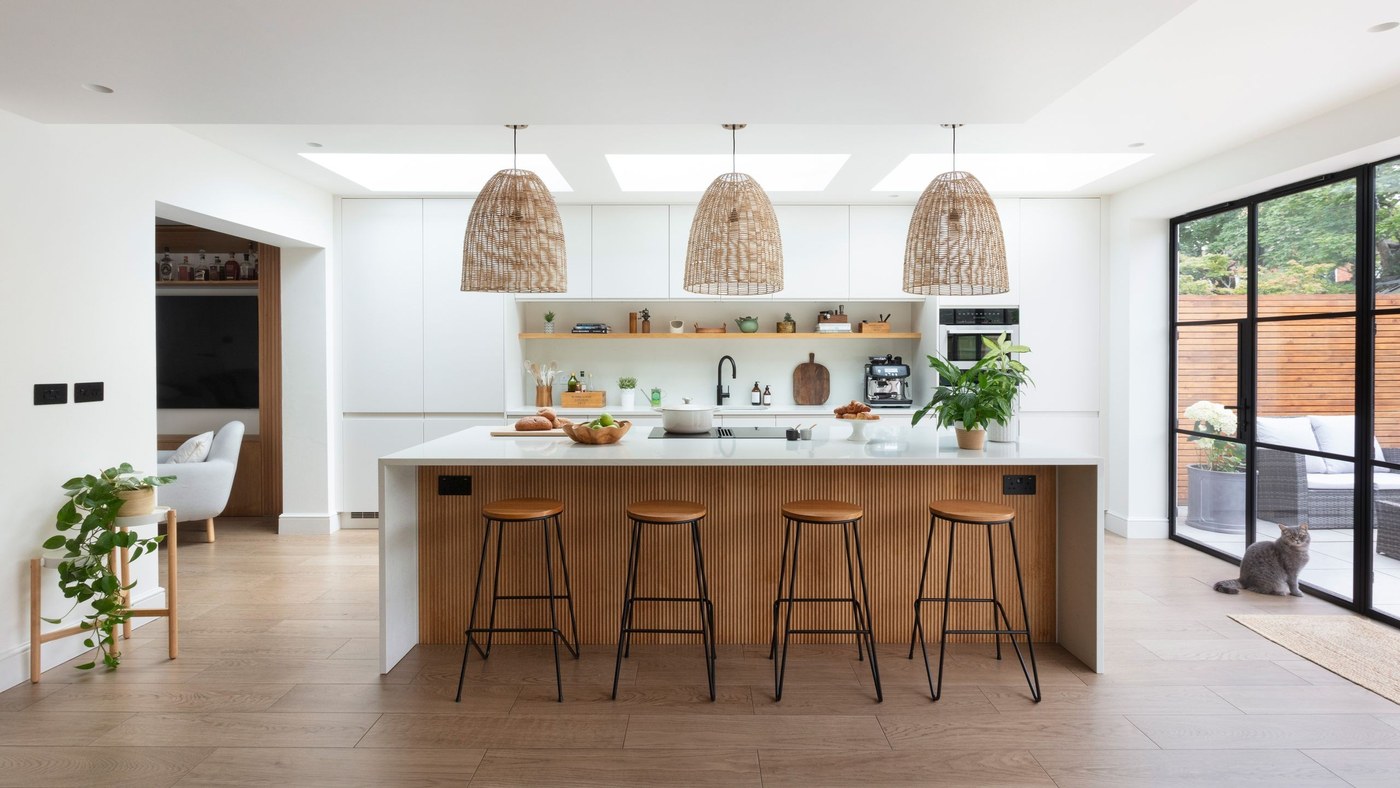
Japandi and Wabi-Sabi Offer Different Kitchen Priorities
Order and quiet cabinetry distinguish one approach; patina and visible character shape the other.
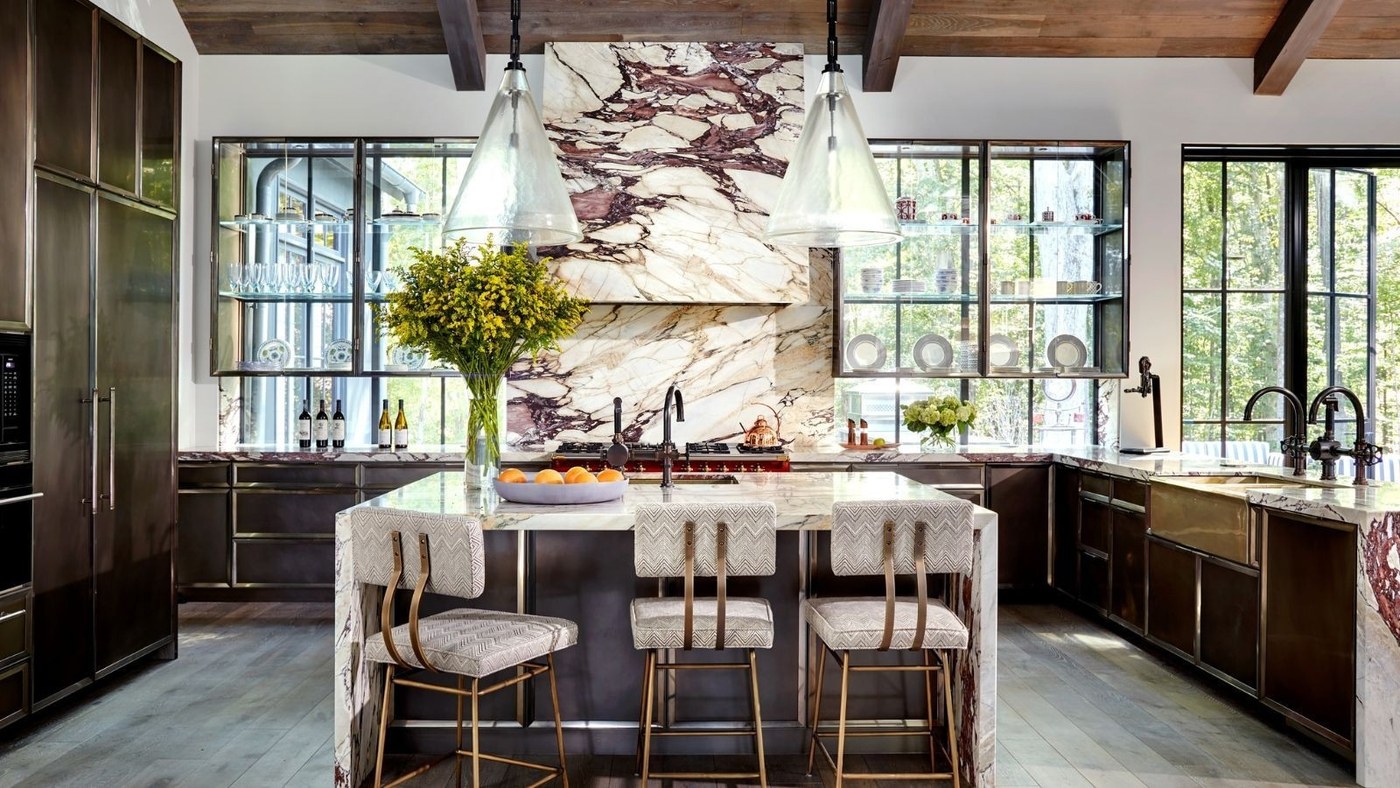
Industrial Detail in a Contemporary Farmhouse
A Tennessee home balances raw texture, metalwork, and generous living spaces.
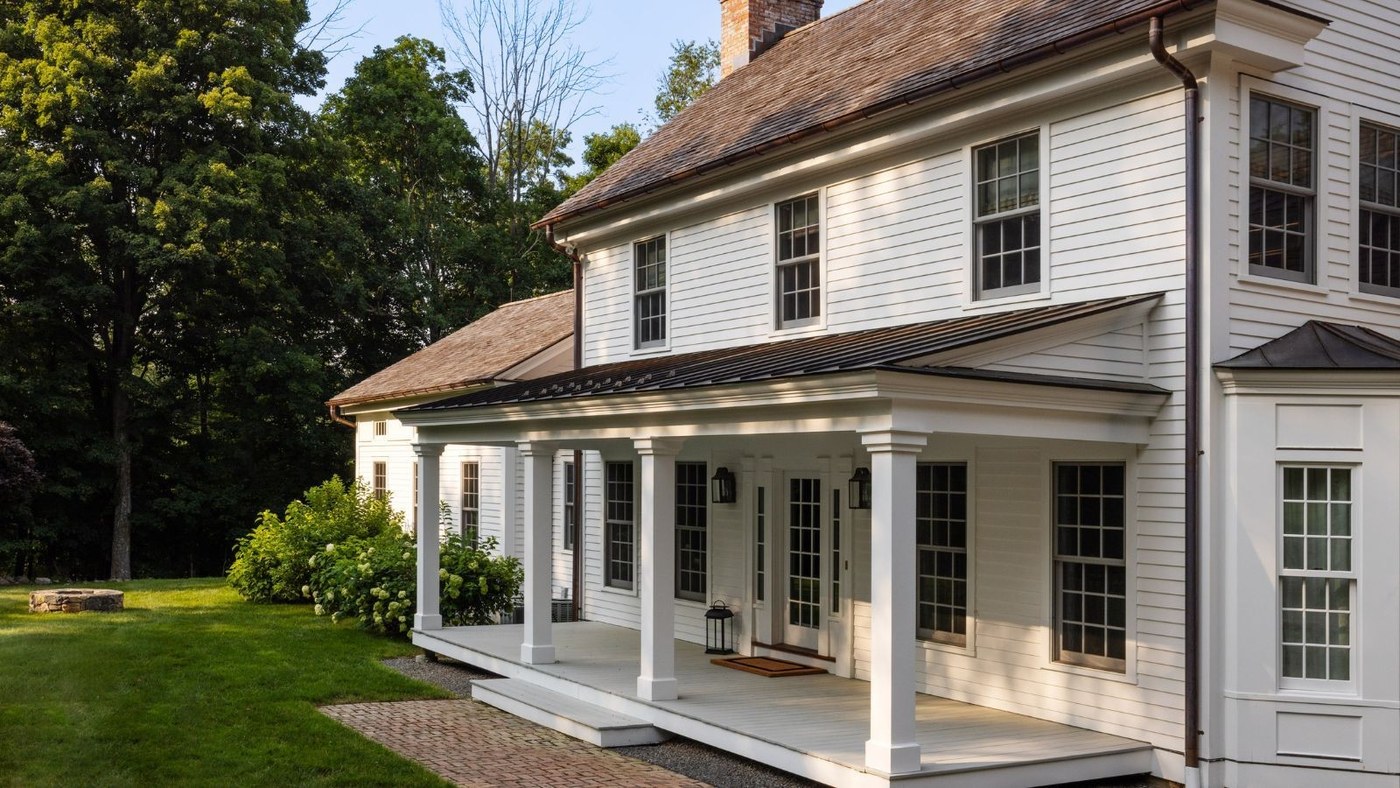
Refine a Traditional Home around Its Existing Craft
Paneling and millwork guide an updated Bedford interior.
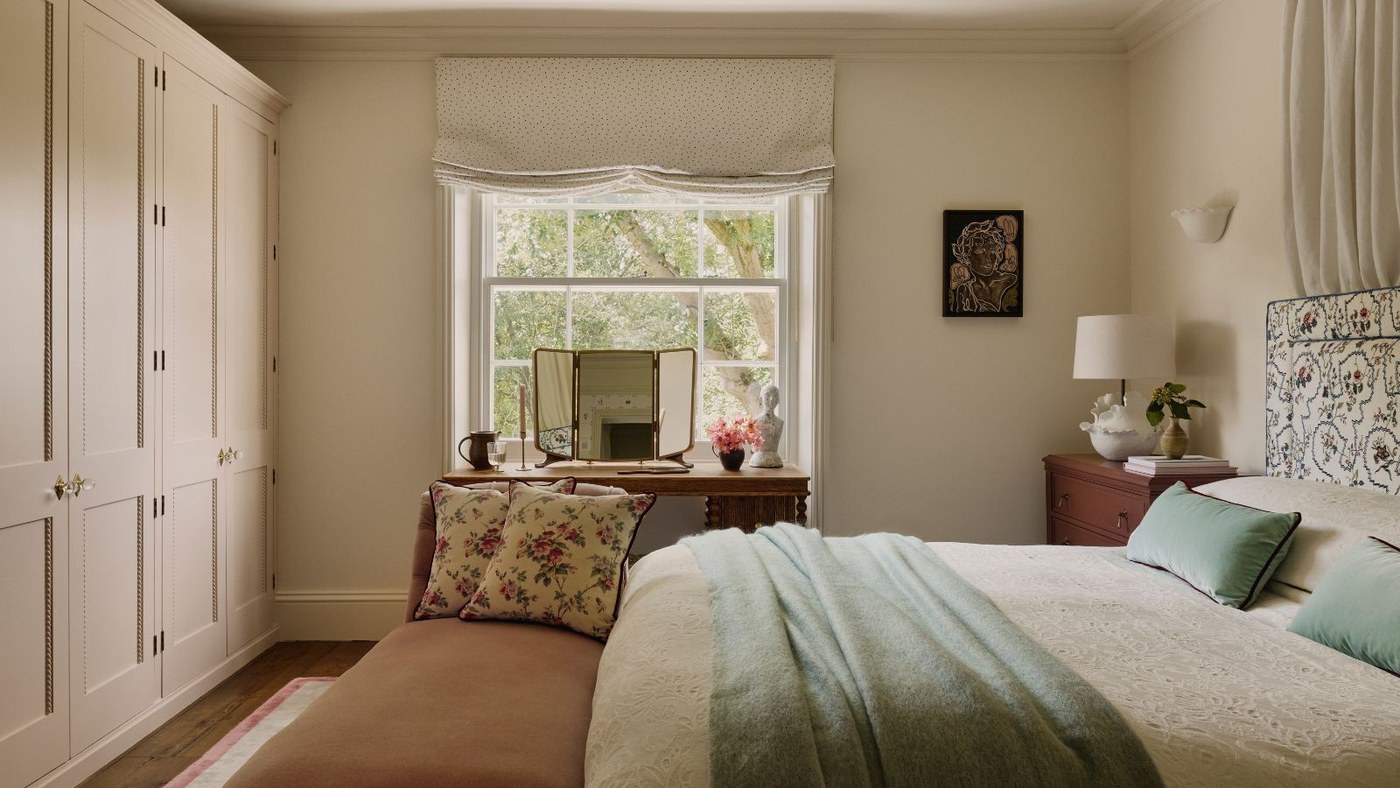
Traditional Style through Furniture and Symmetry
Older forms can provide character within an edited bedroom.
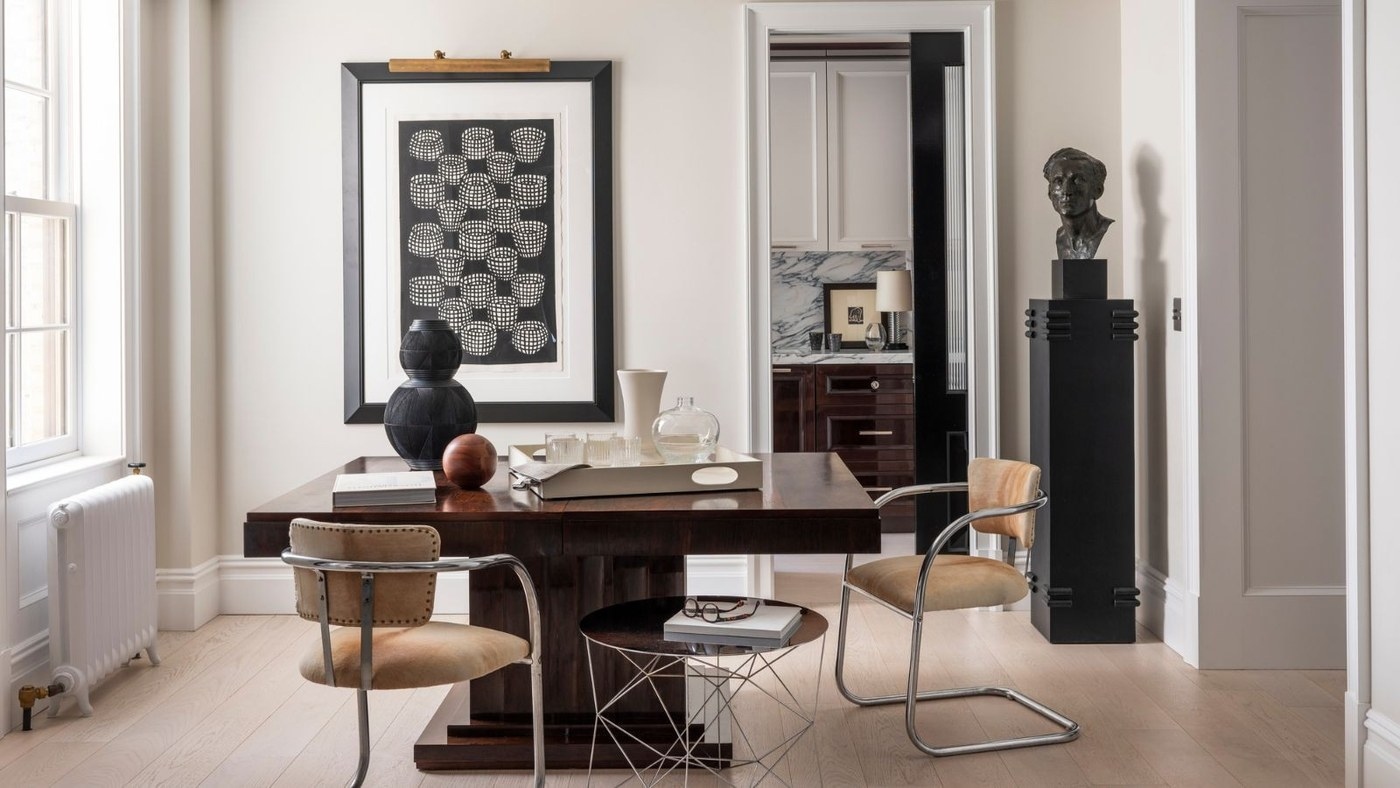
Simplify a Traditional Apartment for Contemporary Living
Original details and vintage furniture can remain while a more open plan changes how the home is used.
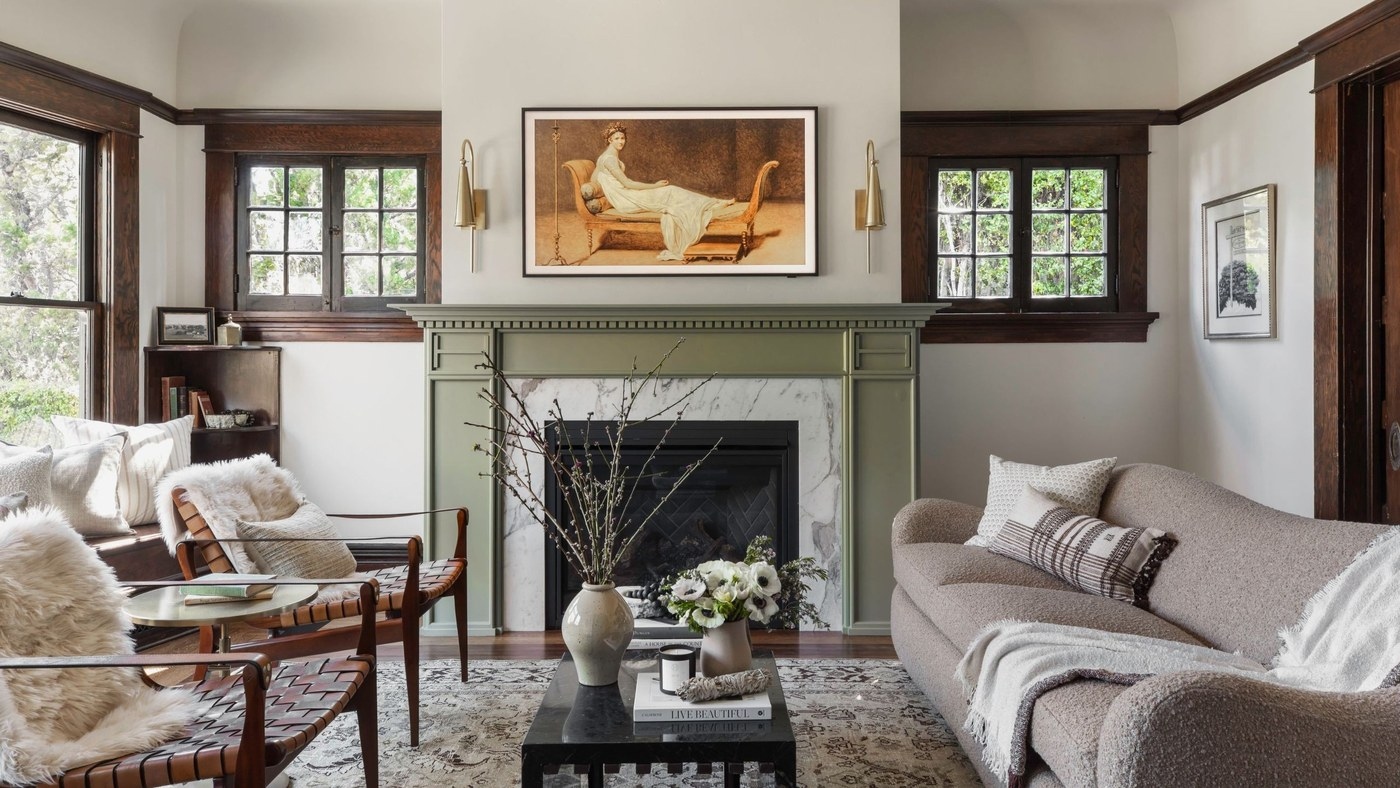
Contemporary Furniture Can Highlight a Historic Home's Character
A Santa Barbara renovation combines restored architectural detail with a more current, welcoming interior.
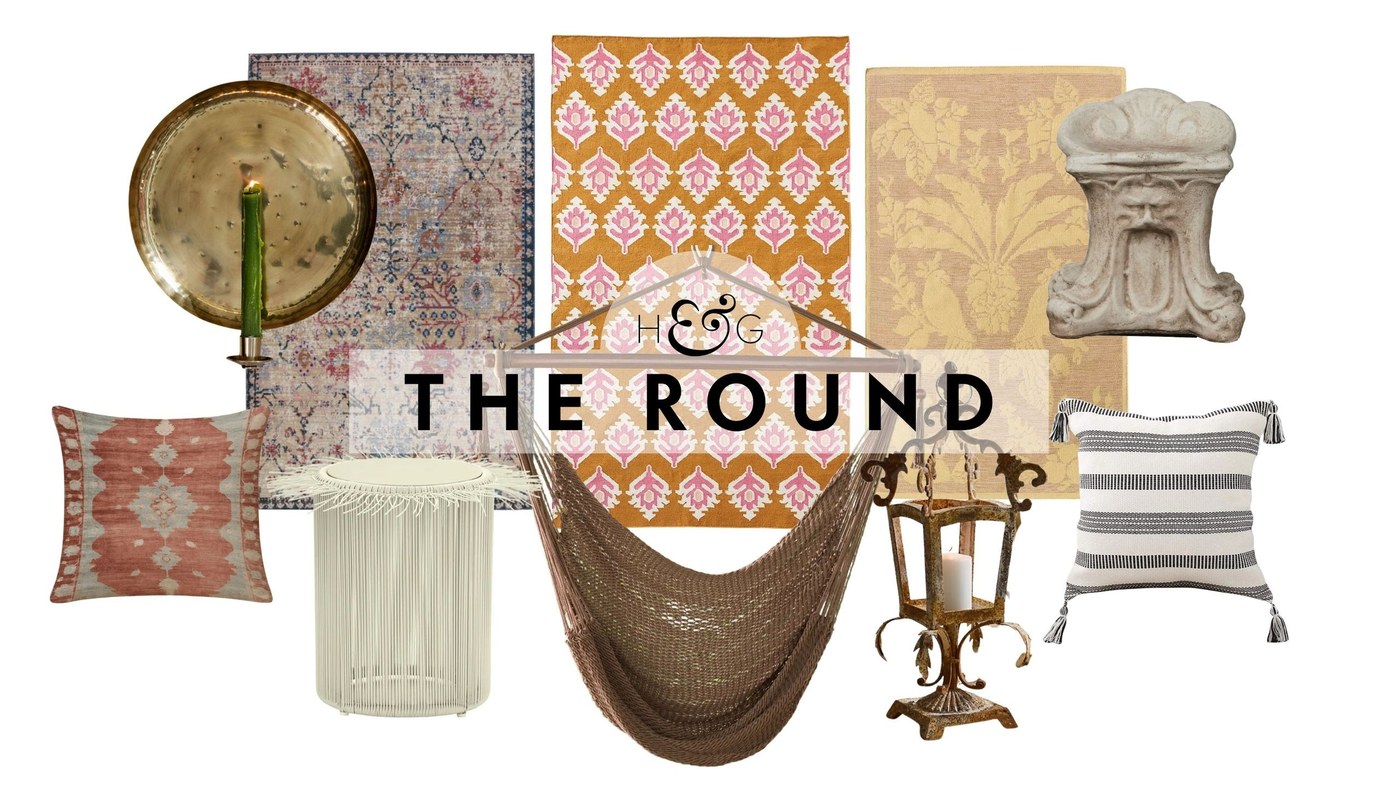
An Outdoor Room with a Bohemian Mix
Natural textures and collected details give patio seating a relaxed identity.
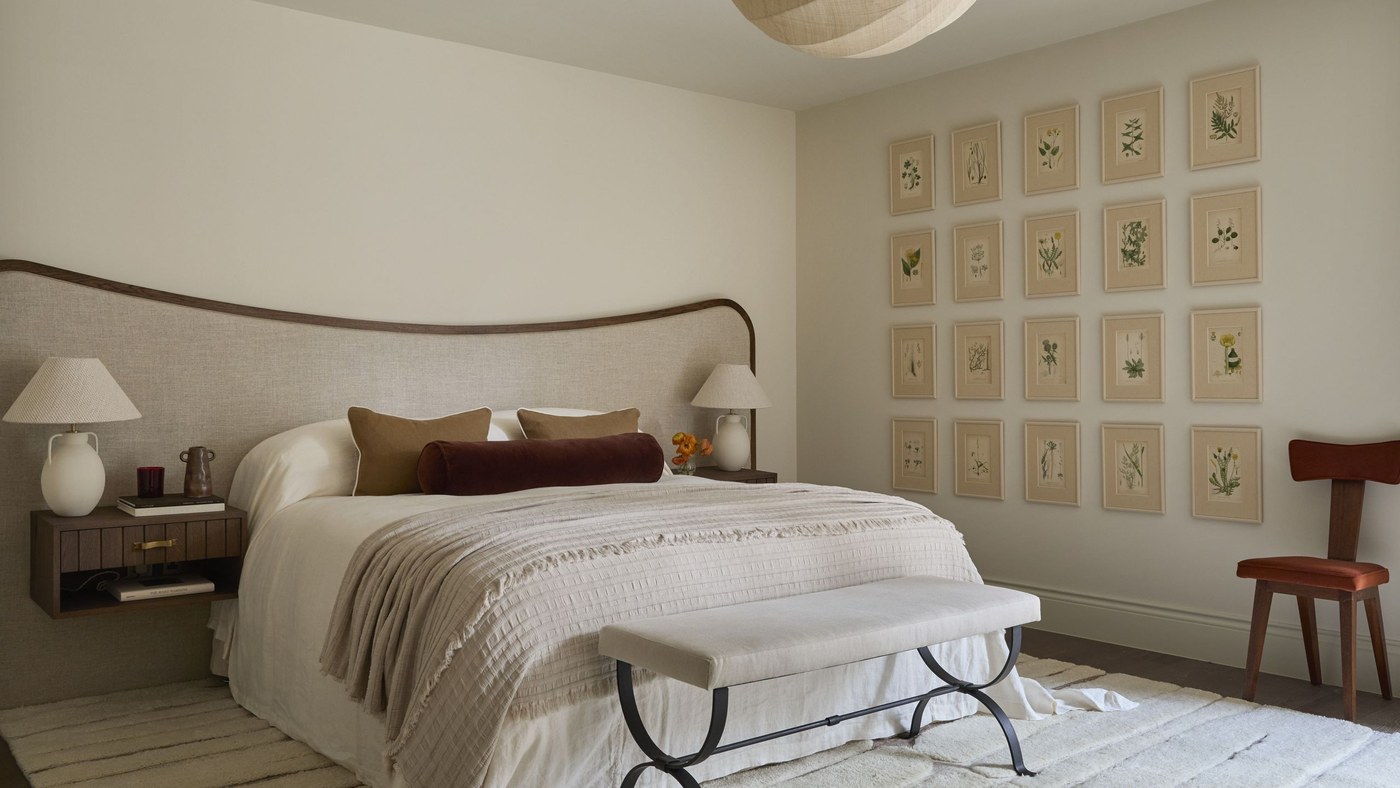
Mid-Century Bedrooms Mix Wood with Clear Lines
Functional furnishings and varied texture support the style's quieter structure.
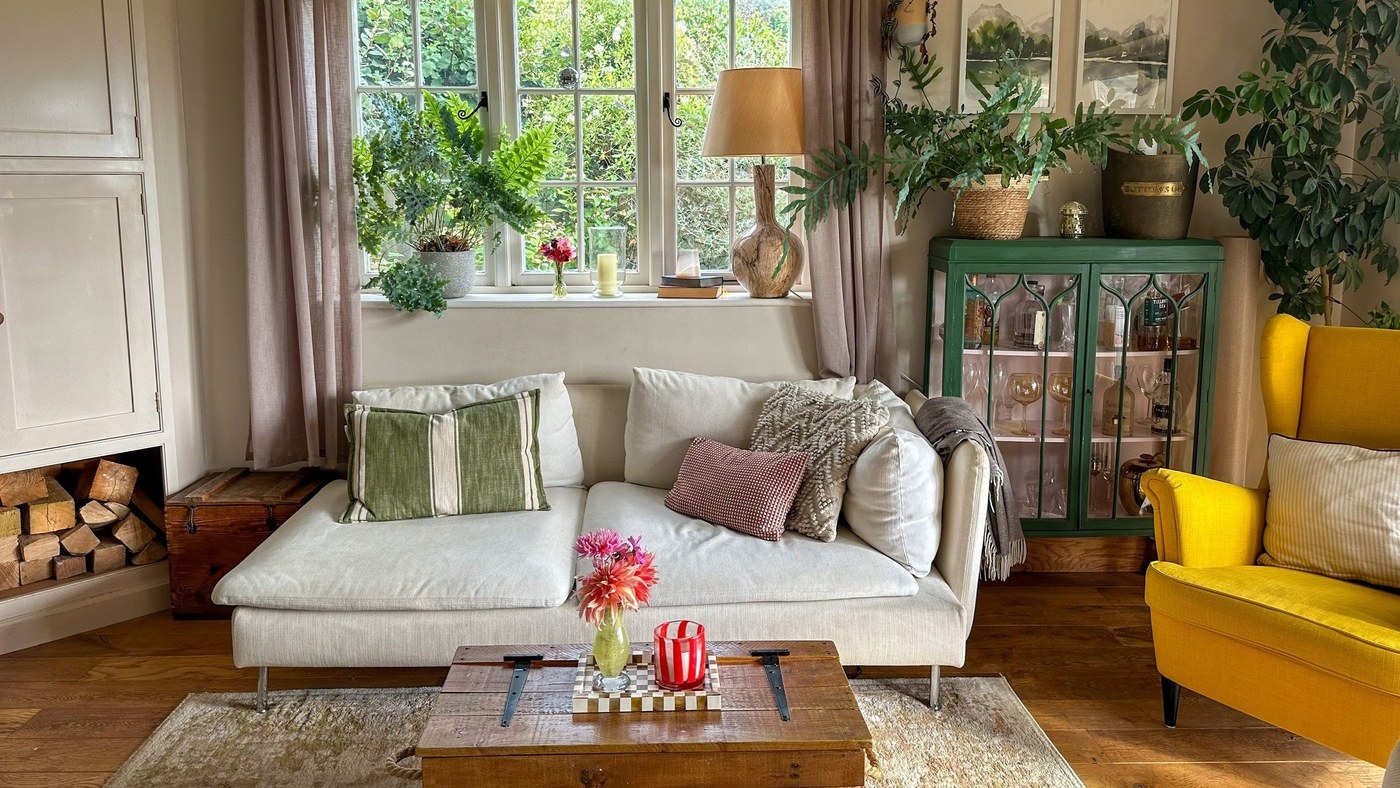
Mix Decorating Styles with Repeated Color Connections
A varied home can feel coherent without buying matching furniture or repeating the same room formula.
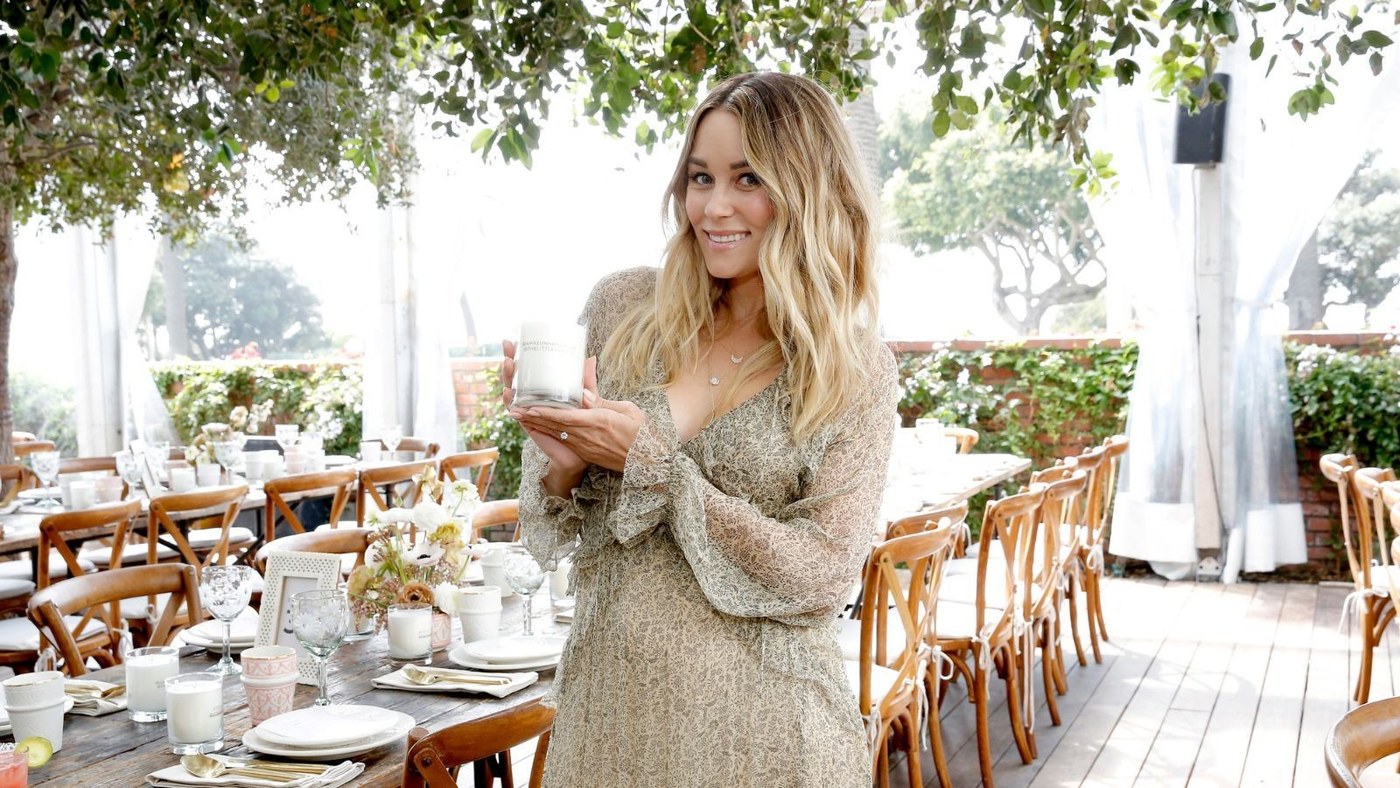
Vintage Touches Refresh a Modern Farmhouse Foundation
Lauren Conrad's living room uses rattan and curved forms to add individual warmth.
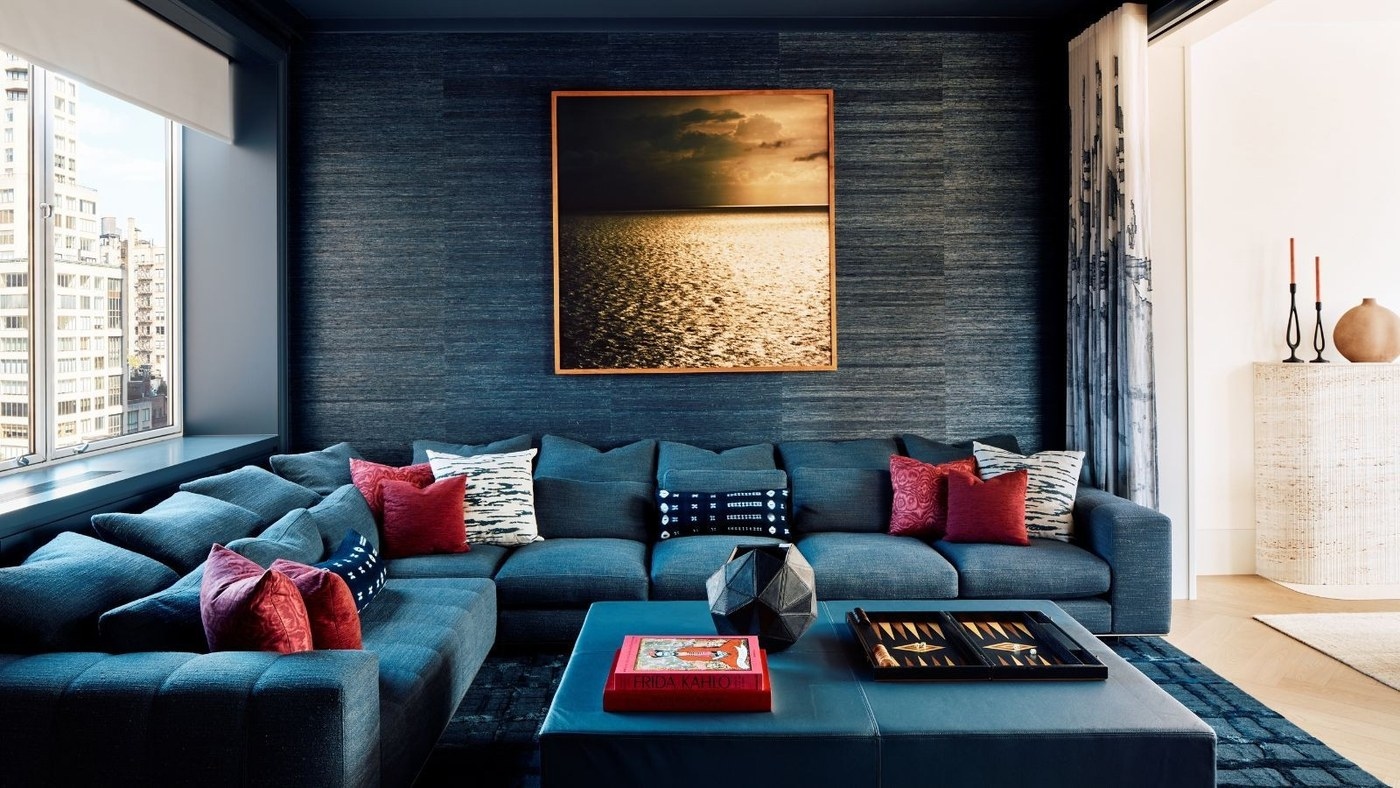
Blend Relaxed California Style with a Traditional City Apartment
Warm timber, a soft base palette, and richer accents connect two different design influences.

